


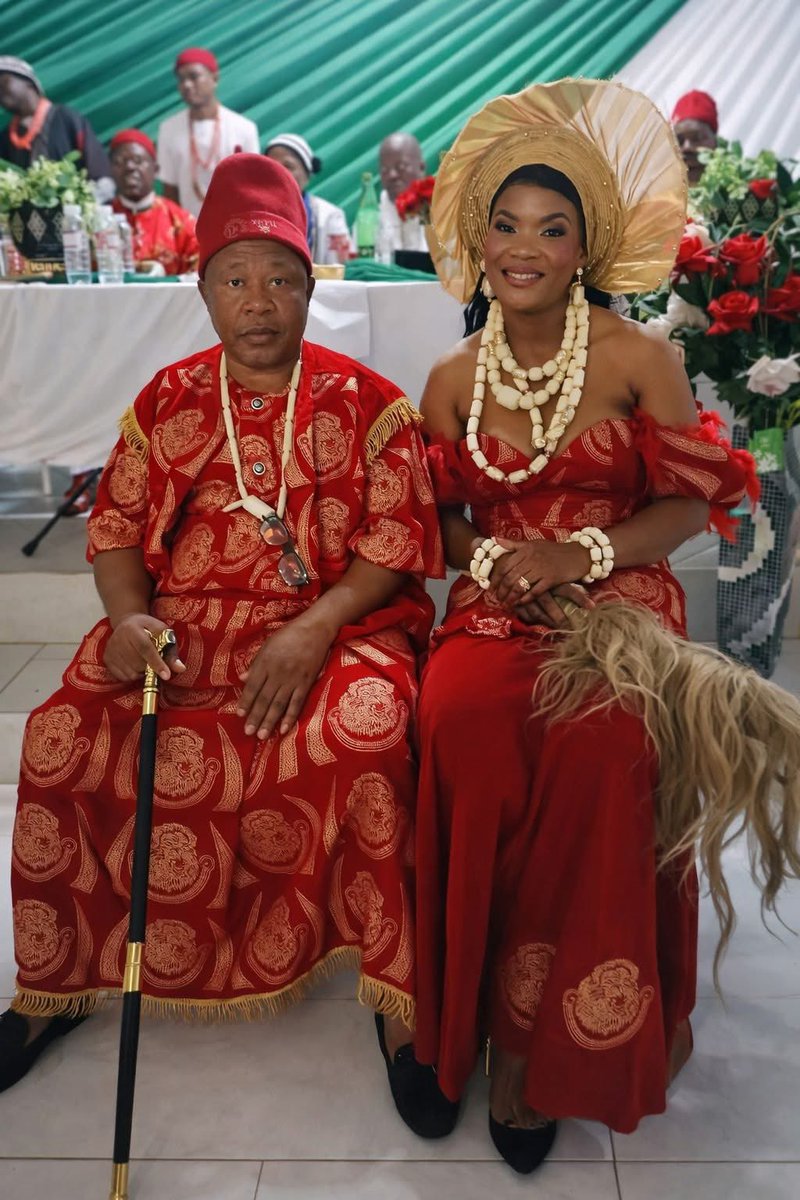
Nigeria has formally apologised to South Africa following a diplomatic controversy over the alleged coronation of a Nigerian-born figure as an “Igbo king” in South Africa’s Eastern Cape Province, an incident that sparked protests, unrest, and heightened tensions between communities in both countries. Demonstrations erupted in the South African capital of Pretoria and in the Eastern Cape city of KuGompo, formerly known as East London, as residents expressed outrage over what they viewed as a violation of local authority structures and traditional governance protocols.
The controversy centers on Solomon Ogbonna Eziko, who was presented at a cultural event in the Eastern Cape with the title of “Igwe of Kugompo City.” While organisers described the event as a celebration of Igbo heritage, many South African civic groups, community leaders, and residents interpreted it as the unlawful installation of a foreign traditional monarch, which they said violated South African custom, law, and recognised governance systems. The event’s perceived illegitimacy led to demonstrations that initially began peacefully but later escalated, resulting in the destruction of property, including vehicles and public infrastructure, and violent clashes with security forces.
Civic organisations, including the Progressive Forces of South Africa and other advocacy groups, staged protests outside the Nigerian High Commission in Pretoria. Demonstrators submitted a memorandum of grievances calling for clarity on the coronation and stressing that the incident was not only a cultural affront but also a challenge to South Africa’s sovereignty and legal frameworks governing traditional leadership. Community leaders in KuGompo and surrounding areas also publicly denounced the ceremony, warning that such acts could inflame local tensions and undermine social cohesion.
In response to the unrest, Olajide Ogunmadeji, Deputy High Commissioner at the Nigerian mission in Pretoria, addressed the protesters and issued a formal apology on behalf of the Nigerian High Commission, the Nigerian Embassy, and the Federal Republic of Nigeria. Ogunmadeji stated that Nigeria “does not support any act that undermines local authority structures” and expressed regret for any offence caused to South Africa’s traditional institutions. He clarified that the event was not intended to formally install a monarch and emphasised Nigeria’s commitment to maintaining cordial diplomatic relations with South Africa.
The Nigerian mission also issued a safety advisory for Nigerians living in South Africa, urging them to exercise caution, avoid large gatherings, and remain compliant with local laws amid the rising tensions. Authorities reported that protests in KuGompo had escalated, resulting in property damage and confrontations between demonstrators and law enforcement officers. The High Commission advised citizens to be mindful of local governance protocols and stressed that Nigeria’s diplomatic stance prioritised respect for South African legal and cultural systems.
South African authorities condemned the violence and appealed for calm. The Department of Cooperative Governance and Traditional Affairs clarified that recognised traditional leadership appointments must follow formal legal procedures and cannot be altered by community gatherings without official endorsement. Authorities also warned that any attempts to bypass these legal frameworks would be treated as violations of South African law and could attract prosecution.
Political figures in South Africa joined the calls for calm and legal compliance. Athol Trollip, leader of ActionSA in the Eastern Cape, described the coronation as unlawful and reaffirmed the importance of respecting South Africa’s customary leadership systems. Trollip and other political leaders called for accountability for those who incited unrest and urged improved communication between foreign communities and local authorities to prevent similar conflicts.
Civil society groups in both countries highlighted the broader implications of the incident, pointing to issues of cultural sensitivity, diaspora integration, and diplomatic relations. Analysts noted that while cultural celebrations are important for diaspora communities, any actions perceived to infringe on local customs or legal systems could quickly escalate into international tensions. They emphasized the importance of careful planning, engagement with local authorities, and adherence to legal procedures when hosting culturally significant events in foreign countries.
The incident has prompted renewed discussions on bilateral relations between Nigeria and South Africa, particularly concerning the Nigerian diaspora and their activities abroad. Both governments have committed to dialogue aimed at preventing future misunderstandings and fostering mutual respect. Nigerian officials have stressed that the apology reflects a commitment to maintaining strong diplomatic ties and ensuring that cultural events do not inadvertently undermine local governance or create social discord.
Community leaders in KuGompo have also called for the establishment of clear guidelines for cultural events involving foreign nationals, arguing that proactive consultation with traditional authorities can help prevent future incidents. Similarly, Nigerian diaspora associations in South Africa have pledged to work closely with local authorities to ensure that cultural activities are conducted within legal and social frameworks that respect South African traditions.
Observers note that the episode underscores the delicate balance between cultural expression and adherence to host country laws. Experts in diplomacy and international relations have highlighted that incidents of this nature, if not managed properly, can escalate into wider political or social tensions, potentially affecting trade, travel, and diplomatic cooperation. The swift apology by Nigeria, coupled with engagement between officials in both countries, is seen as a critical step toward de-escalating the situation and reinforcing the importance of cultural diplomacy.
The resolution of this controversy will likely involve ongoing engagement between Nigerian and South African authorities, diaspora representatives, and local communities. Both governments have signalled their commitment to ensuring that cultural celebrations, while fostering heritage and identity, do not disrupt public order or challenge local authority structures. The incident has served as a reminder of the need for clear communication, mutual respect, and legal compliance when hosting diaspora events in foreign countries.


