


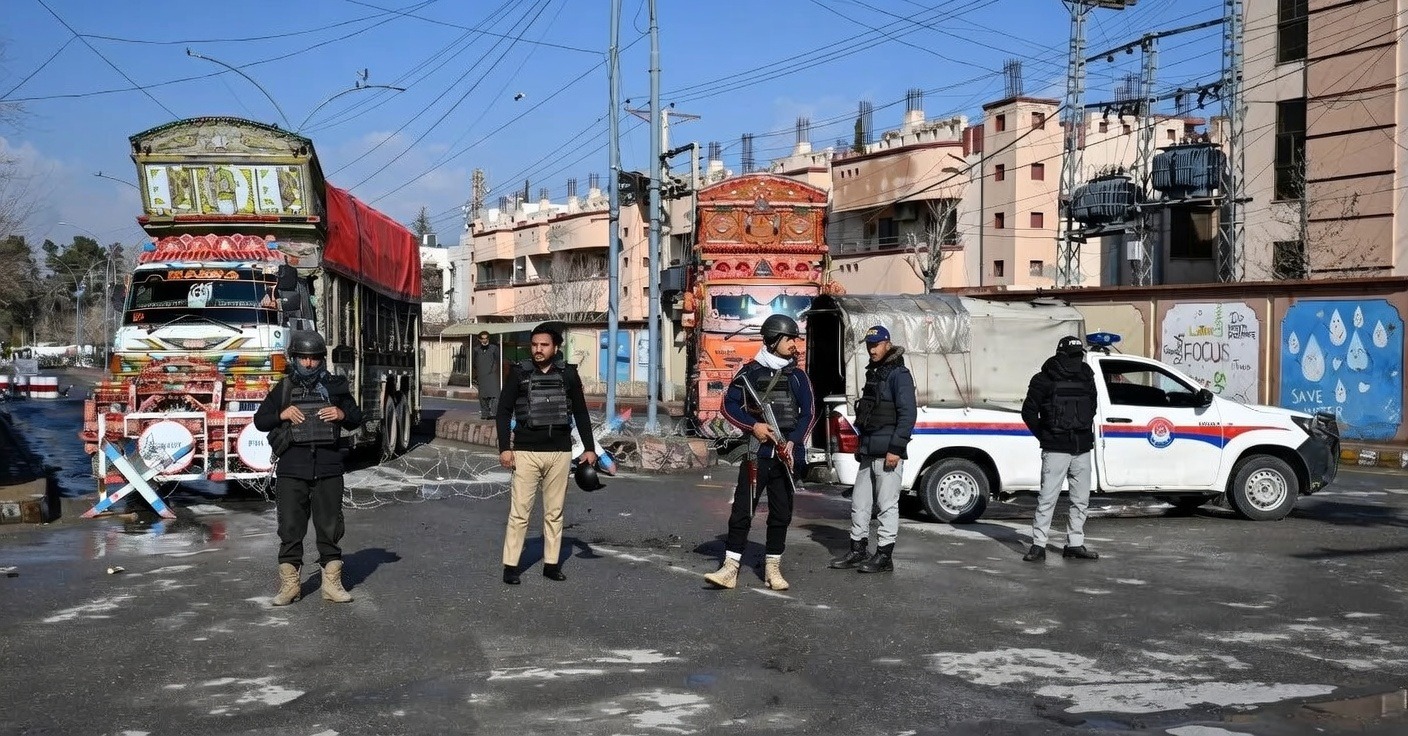
Pakistani security forces announced on Monday that they had killed 145 militants in a series of coordinated operations across Balochistan, marking one of the deadliest counterinsurgency campaigns in recent years. The offensive targeted militant hideouts in the province’s rugged mountains and remote rural areas, where separatist and extremist groups have long maintained a foothold.
Officials from the Pakistan Army and paramilitary forces said the strikes were based on detailed intelligence and were designed to dismantle networks responsible for attacks on civilians, security personnel, and strategic infrastructure. “These operations are a decisive effort to restore peace and stability in Balochistan,” said an army spokesperson, emphasizing that the campaign was part of a sustained counterterrorism strategy.
The operations reportedly took place over several days, combining airstrikes, ground raids, and targeted assaults in multiple districts, including Keamari, Gwadar, Kharan, and Panjgur, which have been frequent sites of insurgent activity. Authorities said they seized large caches of weapons, ammunition, and improvised explosive devices (IEDs), disrupting militant supply lines and operational capabilities.
The offensive has drawn attention due to the scale of casualties among militants. Security analysts called it one of the most effective operations in Balochistan in recent years, noting that it temporarily weakens the operational capacity of insurgent groups while sending a strong message about the government’s resolve.
While the military hailed the operation as a success, analysts warned that Balochistan’s complex security environment makes it difficult to guarantee lasting stability. The province’s remote terrain, porous borders, and longstanding local grievances have allowed insurgent groups to regroup quickly after previous crackdowns. Militants may retaliate in both rural and urban areas, potentially targeting security installations, transport routes, or development projects.
The offensive is also significant in the context of the China-Pakistan Economic Corridor (CPEC), a major strategic initiative linking Gwadar Port to China’s western provinces. Insurgent attacks on infrastructure projects have previously threatened foreign investment and disrupted regional development. Authorities said the recent operations were partly aimed at safeguarding these strategic projects and ensuring continued economic activity in the region.
Human rights organizations and local residents have expressed concern over the possibility of civilian casualties, especially in densely populated areas where militants may embed themselves. The military has pledged to conduct thorough investigations and ensure that operations are carried out in accordance with national and international laws.
Balochistan has been a flashpoint for decades of unrest, driven by a combination of political, ethnic, and economic grievances. Separatist groups have long demanded greater autonomy and a larger share of the province’s natural resources, while extremist groups have exploited these tensions to expand their influence. Analysts caution that military operations, while necessary to curb violence, must be accompanied by political engagement and development programs to address the underlying causes of insurgency.
Prime Minister Imran Khan (or the current administration) praised the security forces, describing the offensive as evidence of Pakistan’s commitment to national security and territorial integrity. “Our forces will continue to act decisively against anyone who threatens the peace and prosperity of our people,” the prime minister said in a statement.
The international community is watching closely, as instability in Balochistan has broader regional implications. Pakistan shares borders with Iran and Afghanistan, and militant networks in these areas have occasionally collaborated across borders. A large-scale offensive like this one may also influence relations with neighboring countries, particularly in managing cross-border security threats.
For now, the focus remains on consolidating gains, preventing retaliatory attacks, and ensuring the security of vulnerable districts. Pakistani authorities have indicated that intelligence-driven operations will continue in the coming weeks, with an emphasis on disrupting remaining insurgent networks before they can re-establish themselves.
The offensive underscores the fragility of security in Balochistan and the ongoing challenges faced by the Pakistani government in balancing counterinsurgency, economic development, and political inclusion. While the elimination of 145 militants represents a tactical success, long-term stability in the province will depend on continued vigilance, engagement with local communities, and sustained efforts to address the root causes of insurgency.


