

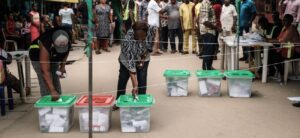
Political activities in Nigeria are gradually intensifying as the country moves closer to the 2027 general elections, with growing signs of tension among major political actors, increased strategic positioning by political parties, and heightened public debate over governance, security, and economic conditions. Across the country, political conversations are becoming more charged, particularly in Abuja, where national decision-making institutions and party headquarters are located.
The political atmosphere is being shaped by early alignments within major parties, including the Independent National Electoral Commission, which has begun making preliminary adjustments to ensure readiness for the next general election cycle. Although official campaigns have not commenced, political consultations, coalition talks, and internal party restructuring are already underway behind the scenes.
Within the ruling and opposition blocs, political stakeholders are increasingly focused on candidate selection strategies, zoning arrangements, and alliance building. The All Progressives Congress is reportedly strengthening its internal structures, holding consultations with key stakeholders across different regions to maintain cohesion ahead of the elections. At the same time, the People’s Democratic Party is also working to rebuild its national presence, addressing internal disagreements and seeking to present a more unified front.
Political analysts note that early positioning is often a major factor in Nigeria’s electoral outcomes, especially in a diverse political environment where regional interests, youth engagement, and economic concerns heavily influence voter behavior. In Abuja and other major cities such as Lagos and Kano, political discussions have increasingly shifted toward issues such as inflation, unemployment, insecurity, and governance accountability, all of which are expected to dominate the 2027 electoral agenda.
One of the key drivers of the current tension is the intensifying competition among potential presidential aspirants and influential political figures within both major and emerging parties. While no official declarations have been made, political movements and consultations suggest that several prominent figures are already testing their support bases across different geopolitical zones. These activities are contributing to rising political anxiety, especially among party loyalists and regional power blocs.
Security concerns are also playing a significant role in shaping political narratives ahead of the elections. Ongoing incidents of insecurity in parts of the country, including banditry, insurgency threats in the northeast, and localized communal clashes, have become central issues in political discourse. Many citizens are calling for stronger government responses, and opposition parties are increasingly using these challenges as benchmarks for criticizing the current administration’s performance.
Economic pressures are another major factor influencing the political climate. Rising living costs, currency fluctuations, and debates over fiscal reforms have created widespread public concern. In urban centers such as Abuja, Lagos, and Port Harcourt, citizens are expressing frustration over economic hardship, which political actors are expected to leverage as part of their campaign messaging in the coming months.
Within party structures, there are also reports of internal disagreements over leadership direction and candidate endorsement processes. In both the All Progressives Congress and the People’s Democratic Party, competing interests are emerging between established political leaders and younger aspirants seeking greater representation. These internal dynamics are contributing to early tensions that may shape party unity heading into 2027.
The electoral body, Independent National Electoral Commission, has emphasized its commitment to ensuring credible, transparent, and peaceful elections. Officials have repeatedly stated that preparations will include improvements in voter registration systems, election logistics, and technology deployment to reduce irregularities. However, stakeholders continue to call for stronger institutional independence and greater public trust in the electoral process.
Civil society organizations and election monitoring groups are also beginning to increase their engagement, advocating for voter education and peaceful political participation. These groups warn that early inflammatory rhetoric and political polarization could escalate tensions if not properly managed. They are urging political actors to prioritize issue-based campaigns rather than identity-driven or divisive narratives.
In several states across Nigeria, early political mobilization is already visible through community engagements, youth outreach programs, and local political gatherings. These activities, while still unofficial in nature, are contributing to a heightened sense of political awareness among citizens. In rural areas, discussions are often centered on development needs such as infrastructure, healthcare, and agriculture, while urban populations focus more on governance reforms and economic stability.
Experts argue that the period leading up to 2027 will be crucial in determining the direction of Nigeria’s democratic process. The ability of political parties to manage internal disagreements, present credible candidates, and address public concerns will likely influence voter confidence. Similarly, the role of the electoral commission, security agencies, and civil society will be critical in ensuring that the electoral process remains peaceful and credible.
Despite the rising tension, there is also optimism among some observers that increased political engagement could strengthen democratic participation. Higher voter awareness, improved digital political communication, and youth involvement are expected to play a significant role in shaping the electoral outcome. However, this optimism is balanced by concerns that misinformation, political propaganda, and regional polarization could undermine the process if not properly addressed.
As Nigeria approaches the 2027 elections, the political landscape is expected to become even more dynamic, with alliances shifting and political narratives evolving rapidly. Stakeholders across the spectrum continue to call for restraint, dialogue, and a focus on national unity to ensure that the electoral process contributes to stability rather than division.
Ultimately, the coming months will determine whether Nigeria’s political actors can navigate the rising tensions responsibly and lay the foundation for a peaceful and credible election cycle in 2027.
Political Tensions Rise Ahead of 2027 General Elections in Nigeria


- Advertisment -