


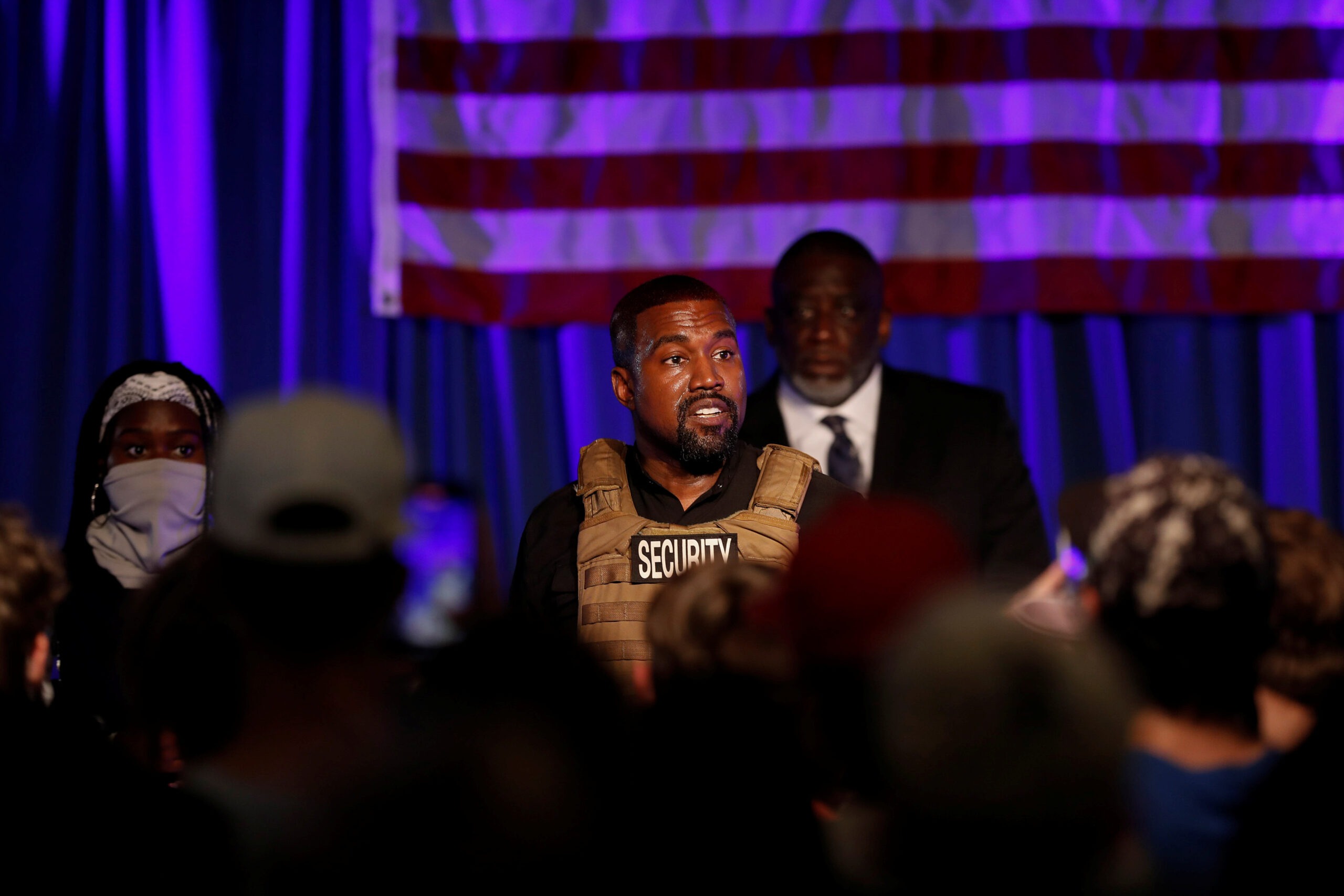
The United Kingdom government is reportedly considering barring American rapper and fashion mogul Kanye West, also known as Ye, from entering the country following a series of public statements widely condemned as antisemitic and supportive of extremist ideology. The proposed ban comes ahead of West’s scheduled headline performance at the Glastonbury Festival in June 2026 and has sparked an intense national debate over free expression, public safety, and the limits of celebrity influence.
West’s remarks, made on social media platforms and in recent interviews, have drawn widespread condemnation from Jewish organizations, human rights groups, politicians, and cultural commentators. In particular, his repeated assertions regarding Jewish communities and previous praise of extremist ideologies have alarmed civil society groups, who warn that such rhetoric could incite hate and violence.
UK Home Secretary Suella Braverman confirmed on April 7, 2026, that the government is actively reviewing legal mechanisms to prevent West from entering the country. “We take threats of extremism seriously and will explore all lawful options to protect public safety while respecting legal obligations,” Braverman stated during a press briefing. She noted that the Home Office is coordinating with law enforcement agencies, including the Metropolitan Police Service and counter-terrorism units, to assess any potential risk associated with West’s presence in the UK.
The Glastonbury Festival organizers, led by festival director Emily Eavis, have indicated that they are in ongoing discussions with authorities regarding the situation. A spokesperson for the festival emphasized that “the safety of attendees is our top priority, but we are also committed to maintaining a space for artistic expression.” Organizers are reportedly exploring contingency plans in case West’s entry is denied.
Jewish advocacy groups have been particularly vocal. The Board of Deputies of British Jews issued a statement urging decisive action, highlighting the potential risk of legitimizing antisemitic narratives through high-profile public performances. “Kanye West’s repeated antisemitic remarks cannot be ignored. Public safety and the prevention of hate speech must take precedence over celebrity appearances,” the statement read. Similarly, the Community Security Trust has expressed concern over potential threats to Jewish communities should West be allowed to perform.
Political leaders across the spectrum have joined the debate. Labour Party MP David Lammy condemned West’s rhetoric as “dangerous and unacceptable,” calling on the government to act promptly. Conservative MP Boris Johnson, while emphasizing the importance of free expression, stated that “freedom of speech does not extend to speech that endangers public safety or promotes hatred.”
Legal experts point to powers under the Immigration Act 1971, which allow the Home Secretary to refuse entry to individuals whose presence is considered “not conducive to the public good,” including those whose statements or actions could incite extremism. Professor David Anderson, a former independent reviewer of terrorism legislation, explained that “the Home Office has precedent for denying entry to high-profile figures when their conduct or rhetoric presents a tangible threat to societal safety, but any decision must be legally defensible to withstand judicial review.”
The controversy has also ignited broader public debate regarding the role of celebrity influence and the responsibilities of public figures in shaping discourse. Cultural commentators, including journalist Hadley Freeman, have noted that West’s global platform amplifies the potential consequences of his rhetoric, arguing that prominent figures carry a heightened duty to avoid speech that may incite violence or marginalize vulnerable groups.
Internationally, West’s statements have drawn criticism from multiple governments and advocacy organizations. The United Nations issued a general statement underscoring the importance of combating antisemitism and hate speech, emphasizing that governments have a responsibility to ensure public safety without undermining fundamental rights.
As the UK government deliberates, the decision is expected to have far-reaching implications for West’s European tour and may set a precedent for how governments manage high-profile figures whose rhetoric intersects with extremism and hate. Analysts warn that allowing the performance could embolden extremist groups, while barring entry raises complex questions about censorship, free expression, and legal accountability.
Observers note that the outcome of this case could influence future policy on international artists visiting the UK, particularly those with histories of incendiary public statements. With festival organizers, politicians, advocacy groups, and legal authorities all engaged, the situation remains fluid, and the decision is expected to be announced in the coming weeks, ahead of the festival date.
The case exemplifies the delicate balance between upholding freedom of artistic expression and protecting communities from the real-world impacts of extremist rhetoric, a challenge increasingly relevant in an era of globalized media and highly influential public figures.