


The United Nations Security Council has unanimously renewed the mandate of the UN Integrated Office in Haiti (BINUH) for another one year, extending its operations until 31 January 2027. The decision made on Thursday, 30 January 2026, was adopted by all 15 Council members as Haiti continues to face deepening political instability, gang violence, humanitarian crises, and institutional collapse .
BINUH, a civilian political mission, is tasked with supporting political stability, electoral processes, human rights protections, rule of law, justice sector reforms, and security coordination. The renewed mandate narrows the mission’s focus to six core priorities, including human rights promotion, political transition support, gang-related violence monitoring, and accountability mechanisms.
The mandate renewal follows growing international alarm over the worsening security situation in Haiti, particularly in Port-au-Prince, where armed gangs control most of the capital and continue to expand territorial influence. The Security Council condemned the surge in kidnappings, armed attacks, sexual violence, and mass displacement, while also criticizing Haitian authorities for limited progress on political transition and governance reforms .
Pierre Ericq Pierre, Haiti’s Permanent Representative to the United Nations, welcomed the resolution and emphasized the need for stronger coordination, inclusive political dialogue, institutional rebuilding, and concrete results. The Council also reiterated calls for urgent security sector reforms and stronger measures to curb gang-driven instability.
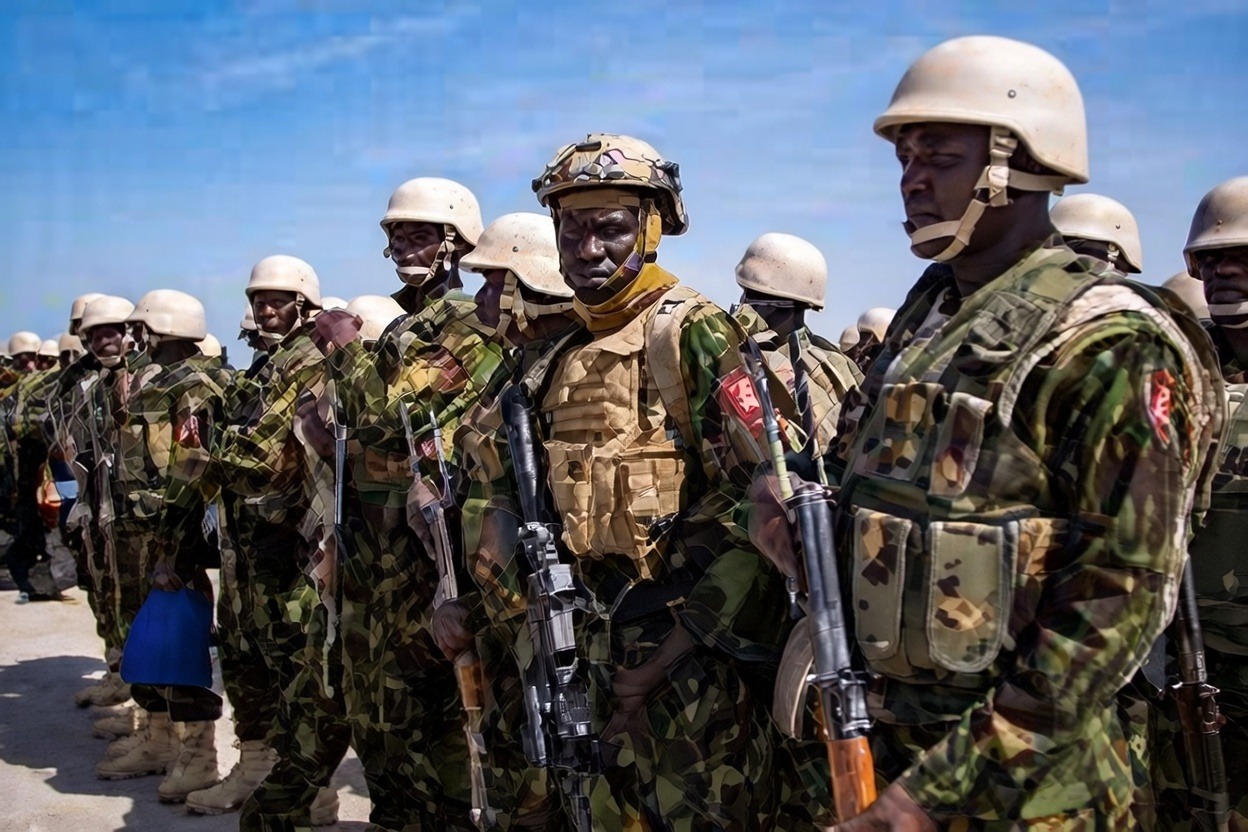
The renewal comes amid the planned transition from a Kenya-led UN-backed security mission to a larger multinational anti-gang force, following concerns over insufficient manpower, funding gaps, and limited operational impact. International partners, including the United States and Panama, played key roles in shaping the revised mandate.
Haiti’s crisis has intensified since the assassination of President Jovenel Moïse on 7 July 2021, triggering political vacuum, institutional paralysis, and nationwide insecurity. According to United Nations humanitarian assessments released in January 2026, approximately 16,000 people have been killed since January 2022, 1.5 million people have been displaced, and over half of Haiti’s population faces food insecurity, highlighting the scale of the country’s overlapping humanitarian, political, and economic emergencies .


