


The United States has extended a sanctions waiver on Russian oil and petroleum products for another 30 days, a move aimed at easing pressure on global energy markets that remain volatile amid geopolitical tensions and supply disruptions.
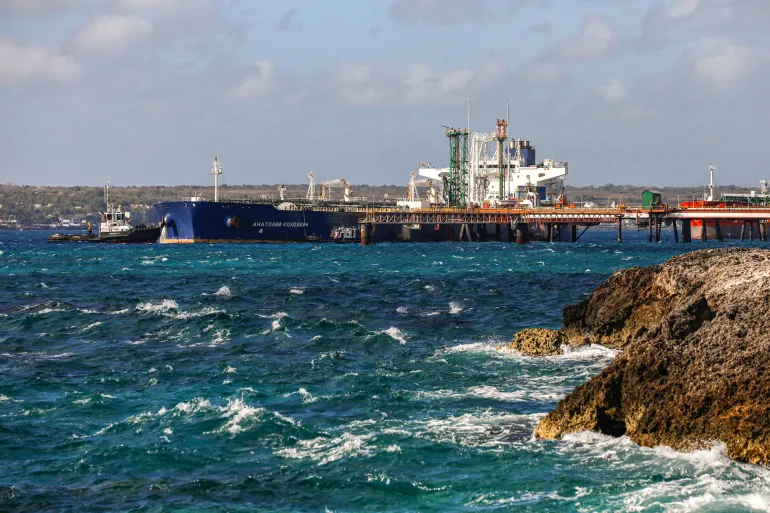
US Treasury Secretary Scott Bessent announced the extension on social media, stating that the waiver will allow countries to access Russian crude already loaded on tankers at sea. The measure has been extended until June 17 and is intended to prevent disruptions in supply for energy-dependent nations.
Bessent said the decision is designed to “stabilise the physical crude market” and ensure that oil already in transit reaches countries most affected by energy shortages. He also noted that the arrangement would help redirect supplies away from stockpiling by larger buyers and toward more vulnerable economies.
The waiver was first introduced in March after a sharp spike in global oil prices, which rose above $100 per barrel following heightened tensions in the Middle East, including US and Israeli strikes on Iran. Although officials initially signalled that the measure would not be renewed, continued instability in global supply routes has forced an extension.
Energy markets remain under strain due to broader geopolitical disruptions, including ongoing tensions in the Middle East, uncertainty surrounding Iran-related negotiations, and reduced shipping capacity through key maritime routes such as the Strait of Hormuz, a critical chokepoint for global oil exports.
Despite Western sanctions imposed on Moscow since the 2022 invasion of Ukraine, Russian oil continues to flow through alternative markets, although in a more fragmented and heavily monitored form.
According to data from energy analytics firm Kpler, about 113 million barrels of Russian crude and condensate are currently loaded on tankers or held at sea globally. Analysts say “floating storage” has fallen significantly in recent months, dropping from around 19 million barrels earlier in the year to about 7 million barrels, as cargoes find buyers more quickly.
Experts also report that Russian crude production has averaged about 9.1 million barrels per day, slightly below its OPEC+ quota. This decline has been linked in part to logistical disruptions, including reported damage to export infrastructure caused by Ukrainian drone strikes.
Analysts say the waiver extension highlights the complex balancing act facing Washington:
enforcing sanctions on Russia while preventing sharp oil price spikes that could destabilise the global economy. It also underscores how tightly interconnected global energy markets have become, with disruptions in one region quickly affecting supply and prices worldwide.