


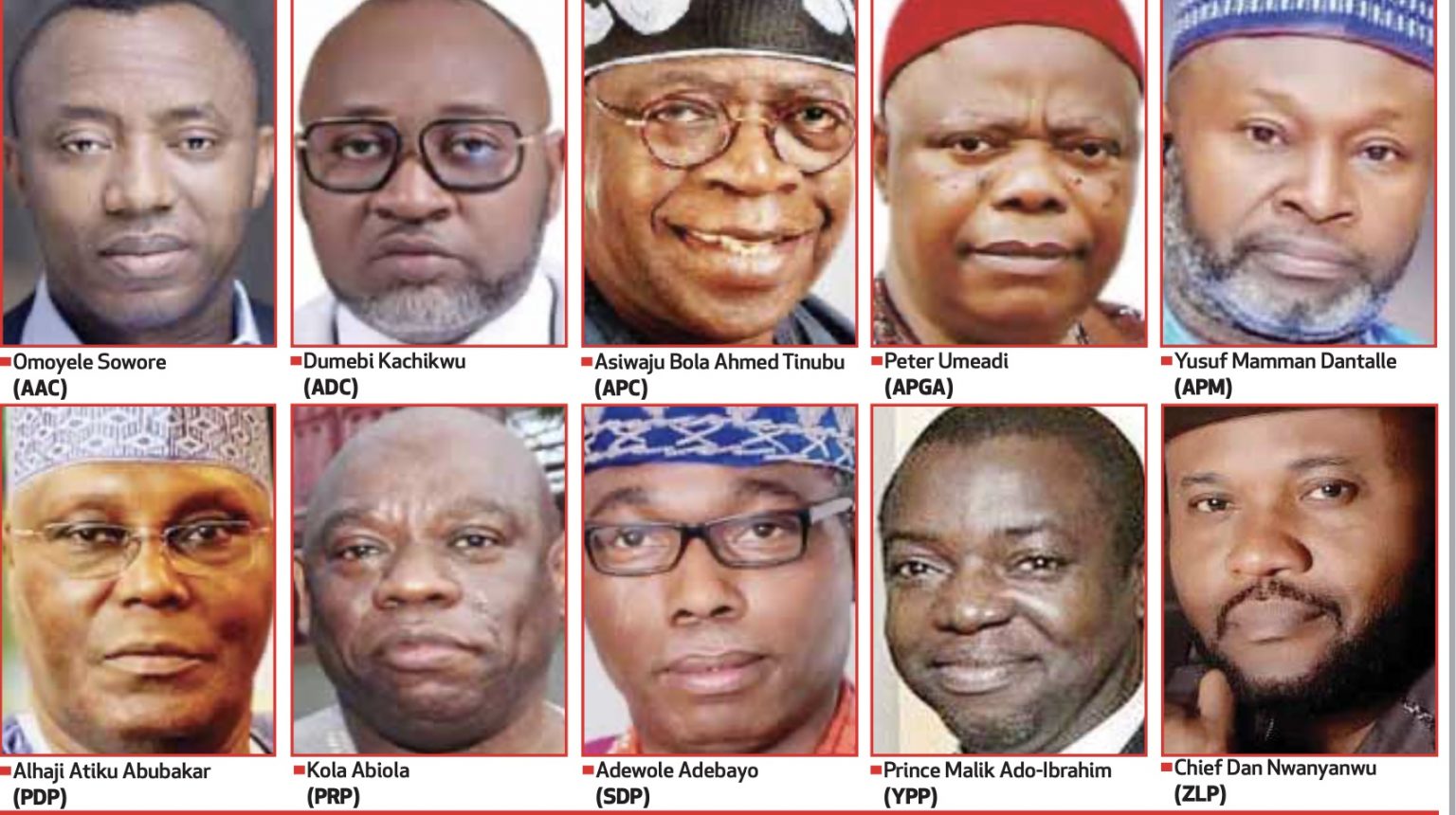
With preparations for the 2027 general elections gathering momentum, political parties and candidates across Nigeria are increasingly focusing on one of the most strategic decisions in electoral politics the selection of running mates.
As the Independent National Electoral Commission (INEC) moves closer to deadlines for the submission of candidates’ particulars, consultations, lobbying, and political calculations have intensified at both the presidential and governorship levels. Analysts say the choice of a running mate often determines not only the strength of a ticket but also its ability to attract broad support across political, ethnic, religious, and geographical divides.
Under Nigeria’s Constitution, presidential and governorship candidates must nominate associates who will serve as vice president or deputy governor if elected. While the requirement appears straightforward, political observers note that selecting a running mate is often one of the most delicate stages of the electoral process because it involves balancing competing interests within parties and across regions.
Historically, successful tickets have often been built around considerations such as regional representation, religious balance, political influence, loyalty, competence, electoral value, and stakeholder interests. In many cases, candidates initially submit placeholder nominees before making final decisions after extensive consultations.
At the national level, attention has focused on major political parties and the choices before their presidential candidates. Discussions surrounding vice-presidential selections have generated significant interest, particularly within the ruling All Progressives Congress, where political observers continue to speculate about possible alignments ahead of the election despite ongoing efforts by party leaders to project unity.
Other major parties are also weighing strategic considerations as they seek combinations capable of appealing to diverse voting blocs across the country. Political analysts say vice-presidential candidates can significantly influence voter perception, fundraising, campaign mobilisation, and regional acceptance of presidential tickets.
Beyond the presidential race, intense negotiations are underway across several states where incumbent governors are completing their constitutionally permitted terms. In many of these states, governorship candidates are under pressure to select deputies who can help consolidate political support, maintain regional balance, and strengthen party cohesion.
Across states such as Kaduna, Nasarawa, Benue, Lagos, Gombe, Yobe, Adamawa, Zamfara, Ogun, Oyo, and Bauchi, political stakeholders are actively debating who should occupy deputy governorship positions. Factors influencing these decisions include zoning arrangements, ethnic representation, religious considerations, gender inclusion, political loyalty, and electoral strength.
In Kaduna and Gombe states, for instance, longstanding traditions of regional and religious balancing continue to shape discussions. In Nasarawa and Benue, ethnic representation and political alliances are playing a central role. Lagos politics has focused on rewarding strategic political blocs and maintaining gender representation, while Yobe and Zamfara are witnessing intense consultations aimed at preserving established power-sharing arrangements.
Political experts argue that deputy governorship and vice-presidential positions are no longer viewed as ceremonial offices but have become strategic tools for coalition-building and electoral success. However, they note that the positions often come with challenges, as disagreements between governors and deputies have historically resulted in political conflicts, impeachment attempts, resignations, and strained working relationships.
Nigeria’s political history offers numerous examples of how the choice of running mates has shaped electoral outcomes. From the Second Republic to the present democratic dispensation, successful candidates have often relied on carefully crafted tickets that reflect the country’s diversity and address regional sensitivities. Conversely, controversial selections have sometimes led to legal disputes, political instability, and electoral setbacks.
Analysts further observe that many politicians are reluctant to accept deputy positions because the offices are frequently perceived as lacking substantial authority. In some instances, deputies have complained of limited influence in governance and inadequate support to pursue higher political ambitions after their principals leave office.
As political parties conclude their primaries and prepare for the next phase of the electoral process, the spotlight is expected to remain firmly on running mate selections. Stakeholders believe the decisions made in the coming months could significantly influence campaign dynamics, voter alignments, party unity, and ultimately the outcome of the 2027 general elections.
With electoral contests becoming increasingly competitive, political observers say the battle for running mates has become just as important as the battle for the top positions themselves, underscoring the critical role of strategic partnerships in Nigeria’s evolving democratic landscape.