


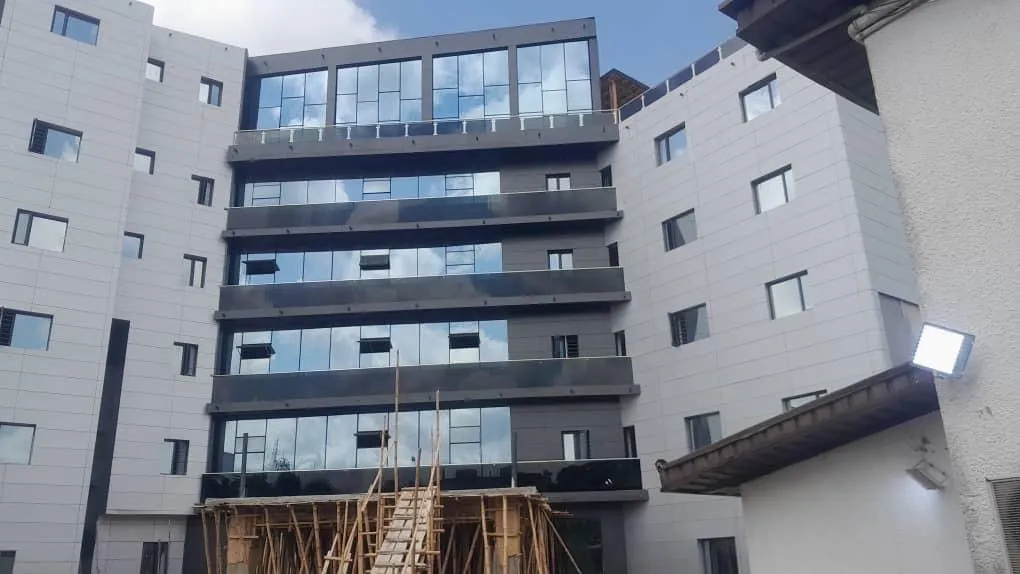
The Federal Government has generated over ₦6.15 billion from the auction of properties confiscated from convicted drug traffickers, marking another significant step in Nigeria’s efforts to deprive criminal networks of the financial gains derived from illicit drug activities.
The assets, which had been seized by the National Drug Law Enforcement Agency and permanently forfeited to the government following court orders, were sold through a transparent competitive bidding exercise conducted at the agency’s headquarters in Abuja.
The auction formed part of the government’s broader strategy to strengthen asset recovery mechanisms, promote accountability, and ensure that proceeds of crime are redirected for public benefit rather than remaining in the hands of criminals.
Four Properties Attract Successful Bids
According to the NDLEA, eight forfeited properties located in different parts of the country were presented for auction. However, only four properties attracted bids that exceeded the government’s reserve prices and were subsequently approved for sale.
The largest transaction involved a six-floor hotel located in Victoria Island, Lagos, which was sold for ₦5.9 billion. The property was acquired by Tope Ojo and Tunde Olonishakin Estate Firm after emerging as the highest bidder during the exercise.
Other successful sales included a property in Lekki Phase 1, Lagos, purchased by FSS Limited for ₦219.5 million; a block of flats in Ejigbo, Lagos, acquired by A-BNB Global Innovations Limited for ₦104 million; and a property located in Akure, Ondo State, sold to Fazeen Global Link Limited for ₦29.36 million.
The remaining four properties did not receive bids that met the required valuation benchmarks and were therefore withheld from sale.
Government Intensifies War Against Drug Cartels
Chairman and Chief Executive Officer of the NDLEA, Mohamed Buba Marwa, said the auction demonstrates the agency’s determination to dismantle drug trafficking networks by targeting not only offenders but also their financial assets.
Represented by the agency’s Secretary, Shadrach Haruna, Marwa noted that depriving criminals of illegally acquired wealth remains one of the most effective ways of disrupting organized crime operations.
He stressed that the seizure and disposal of assets linked to drug trafficking send a strong signal that criminal enterprises cannot profit from activities that endanger public health and national security.
According to him, the NDLEA will continue to track, seize, and recover assets connected to illicit drug operations while intensifying efforts to arrest traffickers and dismantle criminal syndicates across the country.
Beyond Revenue Generation
Officials emphasized that the objective of asset forfeiture extends beyond raising money for government coffers.
The NDLEA stated that public auctions of confiscated properties help reinforce confidence in the rule of law by demonstrating that criminal proceeds are subject to legal recovery and transparent management.
Authorities believe such measures also serve as a deterrent to individuals involved in drug trafficking, money laundering, and other organized crimes by showing that illegally acquired assets can ultimately be confiscated and redistributed through lawful processes.
Security experts argue that criminal organizations are often sustained by the enormous profits generated from illicit activities. As a result, asset recovery has become a critical component of modern law enforcement strategies worldwide.
Strict Compliance with Legal Procedures
The agency maintained that the auction was conducted in accordance with the provisions of the Proceeds of Crime (Recovery and Management) Act 2022, the Public Procurement Act, and other relevant regulations governing public asset disposal.
NDLEA officials explained that all properties were professionally valued by the Federal Ministry of Housing and Urban Development before being offered for sale.
In addition, auctioneers participating in the exercise underwent due diligence and security screening procedures coordinated through the Bureau of Public Procurement.
Representatives of the Independent Corrupt Practices and Other Related Offences Commission, civil society organizations, bidding firms, and other stakeholders observed the process to ensure transparency and compliance with established guidelines.
Strengthening Asset Recovery Efforts
The successful auction highlights the growing importance of asset recovery in Nigeria’s anti-crime framework. Over the years, law enforcement agencies have increasingly focused on tracing and confiscating properties, bank accounts, luxury assets, and investments linked to criminal enterprises.
Experts say that targeting illicit wealth not only weakens criminal organizations financially but also prevents recovered assets from being reinvested into illegal activities.
As Nigeria continues to confront challenges associated with drug trafficking and transnational organized crime, authorities view asset recovery and transparent disposal of forfeited properties as essential tools in promoting justice, accountability, and public trust in law enforcement institutions.
The ₦6.15 billion realized from the latest auction represents one of the most significant recoveries from drug-related asset forfeitures in recent times and underscores the government’s commitment to ensuring that crime does not pay.


