


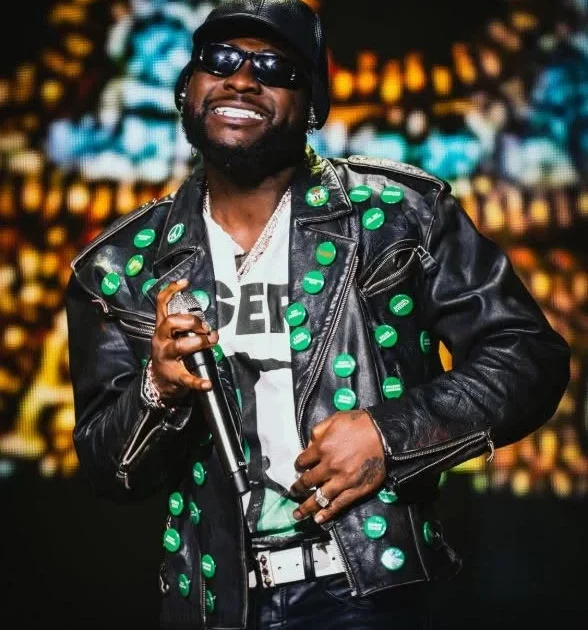
Nigerian Afrobeats superstar David Adeleke, popularly known as Davido, has strongly defended his decision to spotlight Nigeria’s insecurity challenges on the global stage, insisting that no patriotic citizen should remain silent while innocent Nigerians continue to suffer from kidnappings and violent attacks.
The controversy erupted following Davido’s appearance at the 2026 FIFA World Cup Countdown Concert in Los Angeles, where he wore a jacket bearing the message “Bring Them Home” alongside the names of 39 abducted schoolchildren and seven teachers from Oyo State. The gesture was widely interpreted as a call for urgent action to secure the release of the victims and address the country’s worsening security situation.
However, the move attracted criticism from Hausa praise singer Dauda Adamu Kahutu, popularly known as Rarara, who accused the Afrobeats star of portraying Nigeria negatively before an international audience. In a video shared on social media, Rarara argued that taking sensitive security issues to a global platform could damage the country’s image and undermine national interests.
According to Rarara, public figures should be careful about how they discuss national challenges before international audiences. He questioned the motive behind displaying the names of abducted children during a major global event, suggesting that such actions could be interpreted as politicising a serious national issue.
His comments quickly generated widespread debate across social media, with many Nigerians divided over whether Davido’s actions represented responsible advocacy or unnecessary exposure of the country’s internal problems.
Davido responded with a brief but widely circulated post on X, formerly Twitter, writing “Debidooo,” a remark many users interpreted as a playful jab at Rarara’s pronunciation of his name. The exchange soon escalated into a broader argument about patriotism, accountability, and the role of celebrities in speaking out on national issues.
Rarara responded by cautioning the singer to remain respectful, while Davido intensified his criticism, questioning the praise singer’s position and challenging what he described as attempts to silence conversations about insecurity.
In a more detailed statement, Davido argued that patriotism should not be confused with remaining silent in the face of national challenges. He maintained that citizens have a responsibility to speak out when lives are at risk and when communities are affected by violence, kidnapping, and insecurity.
The singer stated that placing political loyalties above the welfare of citizens was dangerous and counterproductive. He stressed that compassion for victims and concern for national security should transcend political affiliations, personal interests, or public image considerations.
Davido further argued that drawing attention to the plight of abducted schoolchildren was an act of solidarity with victims and their families rather than an attempt to embarrass the country. According to him, raising awareness can help generate public attention, increase pressure for action, and keep the focus on the urgent need to protect vulnerable citizens.
The incident has reignited discussions about the role of entertainers and public figures in addressing social and political issues. Supporters of Davido contend that influential personalities have a responsibility to use their platforms to advocate for justice and highlight humanitarian concerns. They argue that insecurity has become too severe to ignore and that global attention can sometimes help mobilise action.
On the other hand, some commentators agree with Rarara’s concerns, arguing that national challenges should be addressed through institutional channels rather than showcased on international stages where they could affect the country’s reputation and investment image.
Political analysts note that the debate reflects a broader national conversation about insecurity, governance, and civic responsibility. With kidnappings, bandit attacks, and violent crimes continuing to affect many communities across Nigeria, questions remain about how citizens, leaders, and influential figures should respond to the crisis.
The disagreement between the two entertainers has therefore evolved beyond a personal exchange, becoming a symbol of competing views on patriotism and public advocacy. While one side believes protecting the country’s image should be paramount, the other argues that acknowledging and confronting national problems openly is essential to finding lasting solutions.
As reactions continue across social media and public discourse, the controversy underscores the growing expectation that celebrities and public figures use their influence not only for entertainment but also to amplify issues affecting society. For many Nigerians, the central question remains whether speaking out about insecurity damages the nation’s image or helps draw attention to challenges that require urgent action.


