


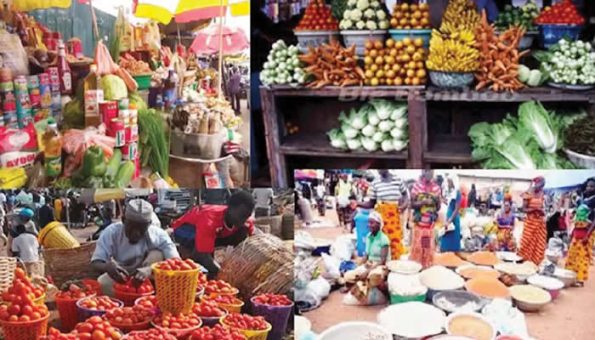
Residents and food vendors in the Federal Capital Territory (FCT), Abuja, are expressing growing concern over the continuous rise in the prices of vegetables and other essential food items, saying the situation is making feeding increasingly difficult and threatening small businesses.
Many of those affected, who spoke to the News Agency of Nigeria (NAN), said the persistent inflation in food prices has forced them to either increase meal prices, reduce portions, or change cooking methods entirely in order to stay in business.
A restaurant owner, Mrs Mary Augustine, said the cost of key ingredients such as tomatoes, pepper, and leafy vegetables has more than doubled in recent months. She explained that a large basket of tomatoes, which previously sold for between ₦45,000 and ₦48,000, now goes for as high as ₦85,000 to ₦90,000. Similarly, a 50kg bag of pepper that once cost between ₦20,000 and ₦30,000 now sells for between ₦120,000 and ₦150,000.
According to her, the situation has placed huge pressure on food vendors who depend on vegetables daily for soups, stews, and other meals. She added that many customers still expect stable food prices despite the rising cost of ingredients.
To cope, she said she now buys vegetables in bulk directly from farmers and preserves them to reduce frequent trips to the market and avoid price fluctuations.
Another food vendor, Mrs Fatima Muhammad, said she has been forced to adjust her cooking patterns due to the rising cost of ingredients such as tomatoes, tatashe, shombo, and pepper. She noted that tomatoes, once a staple in most meals, are now used sparingly or replaced with cheaper alternatives.
She explained that onions, though relatively cheaper, cannot be relied on alone due to taste and preservation challenges, especially with inconsistent electricity supply. She also revealed that many vendors are now turning to packaged tomato pastes and sachet pepper mixes as cheaper substitutes for fresh ingredients.
A caterer, Mrs Lateefat Yusuf, said the situation has significantly increased her operational costs. She said the amount she now spends in the market can no longer purchase even half of what it used to, forcing her to occasionally double or triple her budget.
She added that while onions remain relatively stable in price, they cannot replace other essential ingredients. Despite the challenges, she said caterers are doing their best to maintain service quality to retain customers.
An eatery operator, Mr Isah Sagir, attributed the price hike to high transportation costs, insecurity affecting farming areas, and post-harvest losses. He said many small business owners are struggling to balance profitability with affordability, warning that excessive price increases could drive customers away.
Some residents also lamented the impact on household feeding. A housewife, Maman Zainab, said families are now resorting to dried vegetables or cooking pastes due to the unaffordability of fresh produce. A civil servant, Mr Benjamin Amos, said he now spends significantly more on meals outside the home because food vendors have adjusted prices upward.
Meanwhile, a vegetable farmer, Dr Abdulwahab Ishaq, blamed the situation on a combination of insecurity, high transportation costs, weather challenges, and inadequate storage facilities. He called for stronger government intervention, including farmer support programmes and improved logistics to reduce post-harvest losses.
Stakeholders have urged urgent action to stabilise food prices and support both farmers and traders as the cost of living continues to rise across the FCT.