


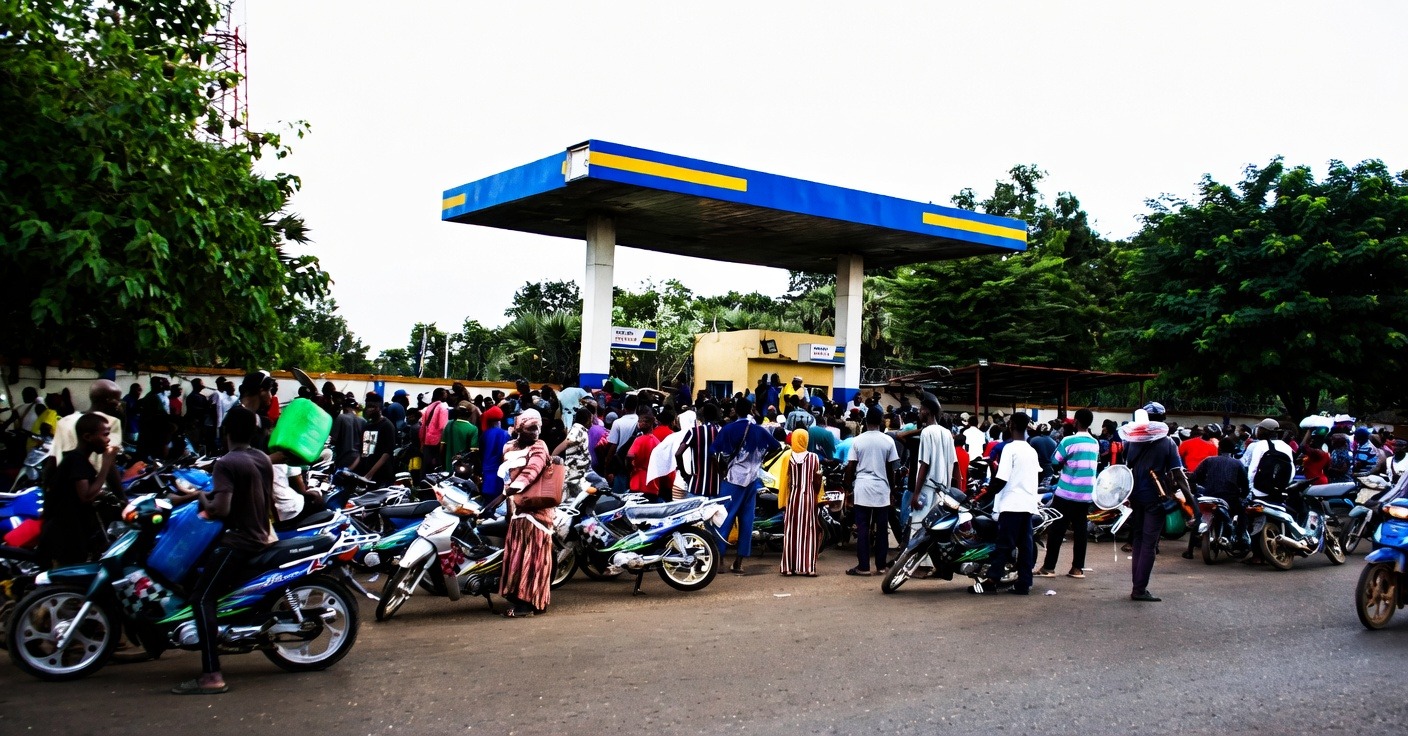
A widening fuel and energy crisis is intensifying across several African nations is escalating geopolitical tensions in the Middle East continue to disrupt global oil supply chains. The crisis, which gained momentum is largely linked to instability around the Strait of Hormuz, a vital maritime corridor through which a significant portion of the world’s crude oil is transported. Heightened military activity and security concerns in the region have led to shipping delays, increased insurance costs for tankers, and reduced export volumes, triggering ripple effects across fuel-dependent economies, particularly in Africa.
Countries across East and Southern Africa are now grappling with the consequences of these disruptions. In South Sudan, one of the hardest-hit nations, the government began enforcing electricity rationing in the capital, Juba, between 24 and 25 March 2026. The country relies heavily on diesel-powered generators for electricity production, and the sharp decline in fuel availability has resulted in prolonged blackouts affecting residential areas, healthcare facilities, and government institutions. Officials within the Ministry of Energy have warned that without urgent intervention, the power crisis could worsen, further crippling an already fragile economy.
In Uganda, fuel scarcity is beginning to disrupt daily life and commercial activity. Reports from 23 to 26 March 2026 indicate that major fuel depots and filling stations in Kampala and surrounding regions are experiencing supply shortages, particularly of diesel, which is critical for transportation, agriculture, and manufacturing. Long queues have started forming at petrol stations, while independent marketers have raised pump prices in response to increased import costs. Officials from Uganda’s Ministry of Energy and Mineral Development have acknowledged the supply strain and are exploring alternative import routes through Kenya’s port infrastructure, though logistical bottlenecks remain a challenge.
Meanwhile, Mauritius is facing a particularly acute situation due to its near-total reliance on imported petroleum products. The Mauritian government announced emergency energy conservation measures after delays in fuel shipments left national reserves at critically low levels. Authorities introduced restrictions on non-essential electricity consumption, including limits on outdoor lighting, reduced operating hours for energy-intensive businesses, and appeals for public compliance. A government spokesperson confirmed that a delayed fuel consignment from Singapore is expected to arrive by 1 April 2026, but cautioned that any further delays could necessitate stricter rationing or temporary shutdowns in key sectors such as tourism and manufacturing.
The impact of the crisis is spreading beyond these countries. In Kenya, approximately one-fifth of fuel stations have reported supply gaps as of late March 2026, particularly in urban centers like Nairobi. Transport operators have begun adjusting fares upward in response to rising fuel costs, raising concerns about inflation and the cost of living. Similarly, Tanzania is experiencing delays in scheduled fuel imports, leading to warnings from energy regulators about potential short-term shortages if supply chains are not stabilized.
In South Africa, Africa’s most industrialized economy, the effects are being felt in the form of precautionary panic buying and localized diesel shortages. While national reserves remain relatively stable, energy analysts have warned that sustained global price increases could significantly impact key sectors such as mining, transportation, and electricity generation. South African authorities have urged calm, emphasizing that contingency measures are in place, but acknowledged that the country is not immune to prolonged global supply disruptions.
Prominent Nigerian industrialist Aliko Dangote raised alarm on 25 March 2026 over the broader implications of the crisis for African economies. Speaking to industry stakeholders, he noted that continued instability in global oil markets could force governments and businesses to adopt emergency measures similar to those seen during the COVID-19 pandemic, including scaling down industrial operations, implementing remote work policies, and prioritizing essential energy use. Dangote also emphasized the urgency of strengthening local refining capacity across Africa to reduce dependence on imported fuel.
The underlying driver of the crisis is the intensifying conflict involving Iran, Israel, and the United States, which has resulted in attacks on critical energy infrastructure and heightened security risks for oil shipments in the Gulf region. The situation has led to a sharp increase in global oil prices throughout March 2026, significantly raising import costs for African countries and straining already limited foreign exchange reserves.
Energy experts warn that Africa’s structural vulnerabilities—particularly its heavy reliance on imported refined petroleum, limited storage capacity, and underdeveloped energy infrastructure—have amplified the impact of the current crisis. Countries without robust strategic reserves are especially exposed, leaving governments with few immediate options beyond rationing, subsidies, or emergency imports at elevated prices.
As the crisis continues to evolve, African governments are intensifying diplomatic and economic efforts to secure alternative fuel supplies, including exploring partnerships with non-traditional suppliers and accelerating investments in renewable energy. However, analysts caution that such measures will take time to yield results, and in the short term, many countries may face continued fuel scarcity, rising inflation, and mounting socio-economic pressure.
With uncertainty surrounding the duration of the Middle East conflict, the coming weeks are expected to be critical in determining whether the current disruptions escalate into a prolonged energy crisis across the African continent.


