


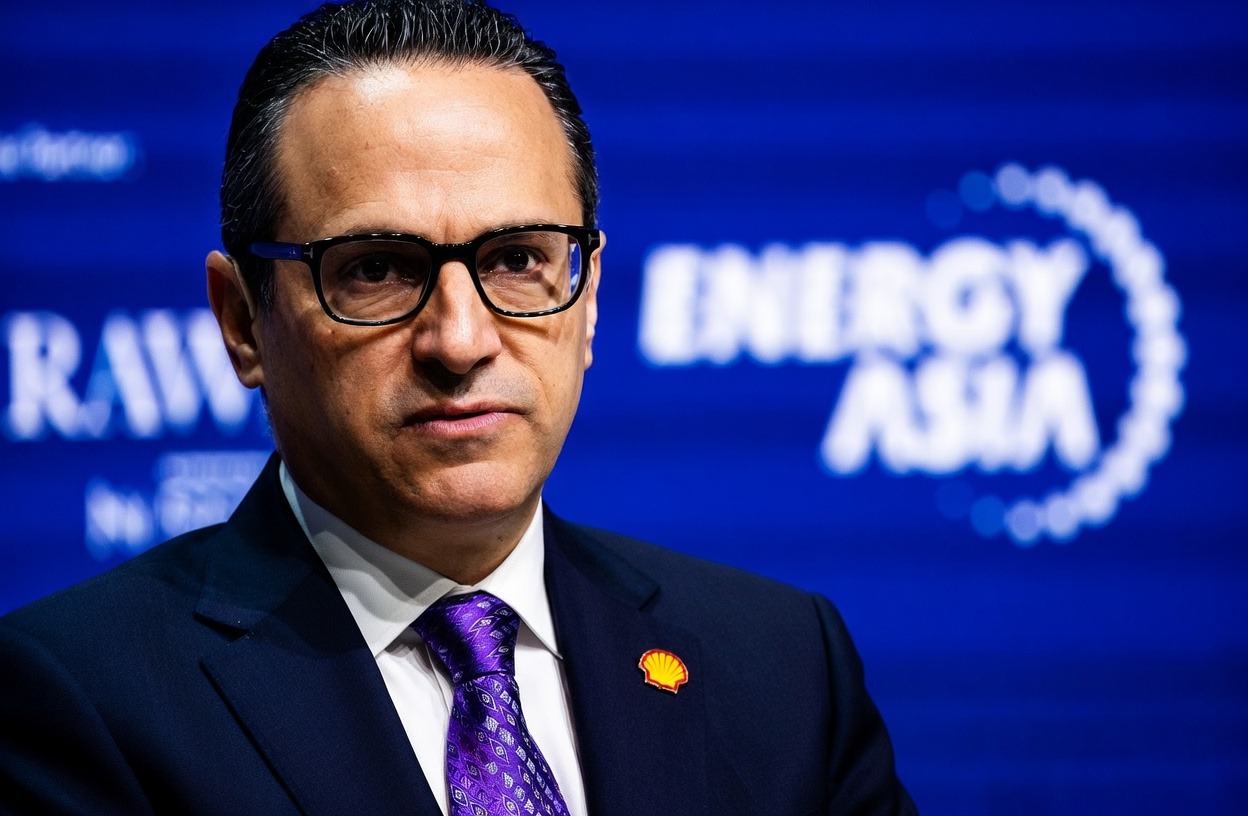
Wael Sawan, the chief executive officer of Shell plc, issued a stark warning that Europe could face significant fuel shortages as early as April 2026, as escalating geopolitical tensions in the Middle East continue to disrupt global energy supply chains and threaten the stability of international oil and gas markets.
Speaking at the CERAWeek 2026 held in Houston, Sawan highlighted the growing fragility of global energy systems, emphasizing that the current crisis is unfolding in phases across different regions. According to him, supply disruptions were first observed in South Asia, before spreading through Southeast Asia and Northeast Asia, with Europe now positioned as the next major region likely to experience the full impact of tightening fuel availability.
The warning comes at a time of heightened tensions involving Iran, the United States, and Israel, where ongoing hostilities have begun to affect critical energy infrastructure and maritime transport routes. Analysts point to the increasing vulnerability of the Strait of Hormuz, one of the world’s most important oil transit chokepoints, as a major factor contributing to the emerging crisis. A significant proportion of global crude oil and liquefied natural gas passes through this narrow waterway, making any disruption there capable of triggering widespread supply shocks.
Sawan explained that while global oil production capacity remains relatively stable on paper, the real challenge lies in logistics, transportation, and refining bottlenecks caused by insecurity in key transit corridors. Shipping companies have reportedly begun rerouting vessels or delaying shipments due to rising risks in the Gulf region, leading to longer delivery times and increased costs. Insurance premiums for tankers operating in high-risk zones have also surged, further complicating the movement of energy supplies to international markets.
Early warning signs of the looming shortage are already visible in refined fuel markets. Sawan noted that jet fuel supplies have started tightening, particularly affecting aviation hubs that depend heavily on steady imports. This trend is expected to extend to diesel and gasoline in the coming weeks, especially as Europe approaches its peak demand period during the late spring and summer months when travel and industrial activities typically increase.
European countries, many of which rely on imported energy to meet domestic demand, are now facing renewed pressure on their energy security frameworks. Governments across the continent are being advised to accelerate contingency planning, including building up strategic petroleum reserves, diversifying supply sources, and strengthening regional energy cooperation mechanisms. Some policymakers are also considering temporary demand-side interventions, such as encouraging reduced fuel consumption, promoting remote work arrangements, and implementing energy efficiency measures across industries.
The potential economic consequences of a fuel shortage are already drawing concern. Rising oil prices have pushed up transportation and production costs, placing additional strain on inflation levels in several European economies. Industries such as manufacturing, logistics, and aviation are particularly vulnerable, with companies warning of possible disruptions to operations if fuel availability becomes constrained. Airlines, in particular, have signaled the likelihood of increased ticket prices and potential route adjustments to cope with higher fuel costs and uncertain supply.
There are also concerns about the broader social impact should shortages materialize. In previous energy crises, limited fuel availability has led to long queues at filling stations, rationing measures, and public dissatisfaction. While European governments have yet to introduce such measures, energy experts warn that prolonged disruption to supply chains—especially through the Strait of Hormuz—could force authorities to consider more drastic interventions to maintain stability.
Despite the growing concerns, officials within the European Union have sought to reassure citizens that lessons learned from past energy crises, including those triggered by geopolitical conflicts and supply shocks, have strengthened the region’s preparedness. Strategic reserves, diversified import routes, and investments in renewable energy are expected to provide some level of resilience. However, analysts caution that these measures may not be sufficient to fully offset the immediate impact of sudden and sustained disruptions in global fuel supply.
The warning issued by Wael Sawan underscores a broader reality facing the global energy sector: that geopolitical instability can rapidly translate into economic vulnerability, even for highly developed regions. As Europe approaches the second quarter of 2026, the continent faces a period of heightened uncertainty, with governments, industries, and consumers bracing for the possibility of tighter fuel supplies, rising costs, and the need for coordinated policy responses to navigate a potentially significant energy disruption.