


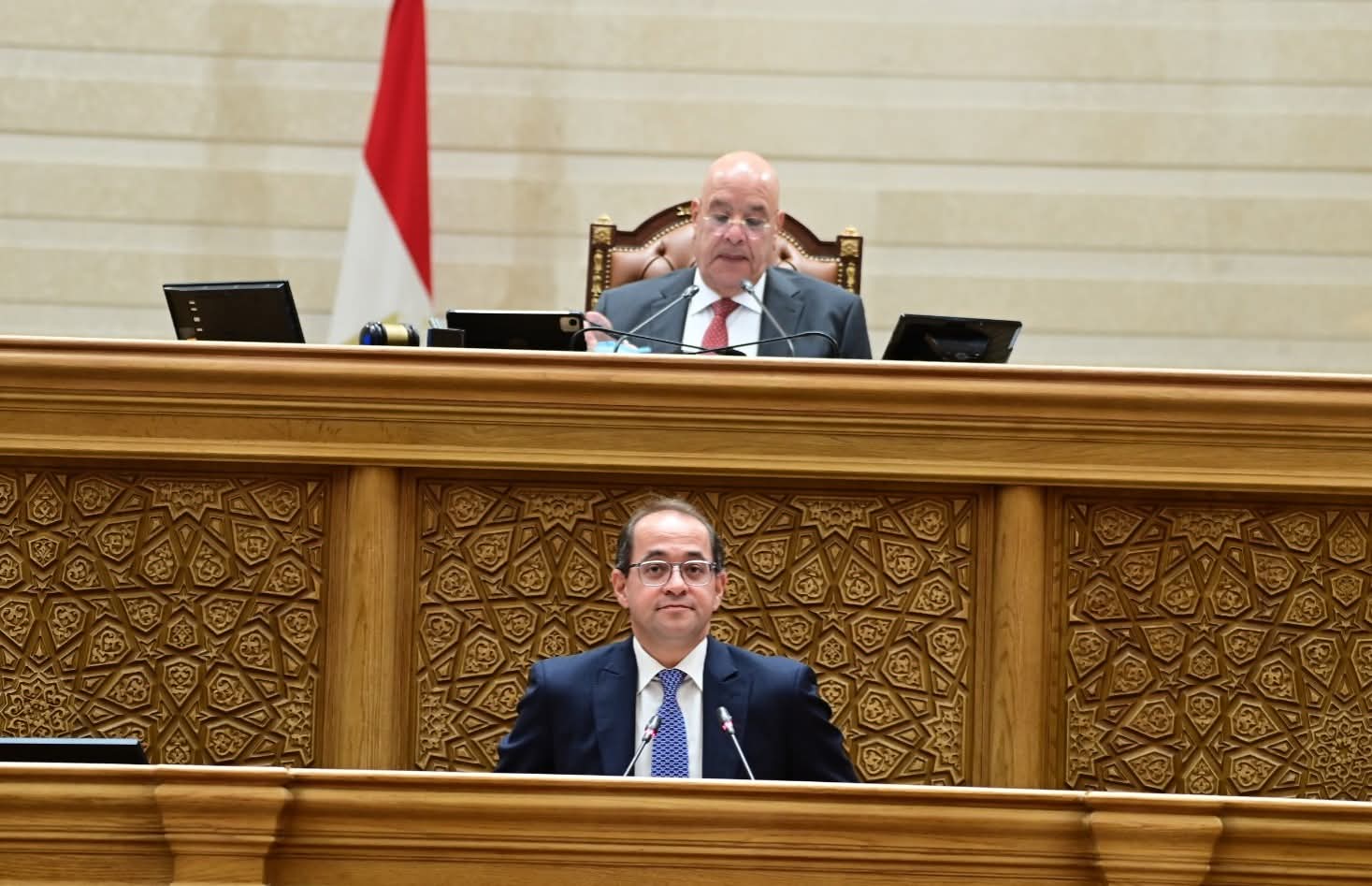
 Egypt has earmarked EGP 80 billion in its fiscal year 2026/2027 budget to support production, manufacturing, entrepreneurship, and exports, as the government seeks to strengthen economic growth, expand industrial output, and improve investor confidence.
The announcement was made by Ahmed Kouchouk while presenting the draft budget’s financial statement before parliament. He said the allocation forms part of a broader fiscal strategy designed to stimulate economic activity while maintaining social protection and financial stability.
According to the minister, the EGP 80 billion package is targeted at sectors considered essential for Egypt’s medium-term growth agenda.
The funding includes EGP 48 billion dedicated to export rebate schemes aimed at supporting Egyptian companies and improving the competitiveness of local products in international markets.
Export rebate programs are often used by governments to help manufacturers recover part of their costs, allowing domestic goods to compete more effectively abroad. Egyptian officials hope the move will increase non-oil exports and generate foreign currency earnings at a time when boosting hard currency reserves remains a national priority.
Another EGP 6.7 billion has been allocated to support the tourism sector, one of Egypt’s most important sources of foreign exchange and employment.
Tourism remains a cornerstone of the Egyptian economy, with attractions such as the pyramids, Red Sea resorts, and ancient archaeological sites drawing millions of visitors annually. Authorities are seeking to sustain the sector’s recovery and expand its contribution to GDP.
The budget also includes EGP 6 billion in financing facilities for productive sectors, a measure intended to ease access to credit for businesses involved in manufacturing, agriculture, and industrial development.
Officials say improving financing conditions for productive enterprises is critical to increasing domestic output, creating jobs, and reducing reliance on imports.
Revenue and Spending Targets
Kouchouk said the government expects public revenues to rise to EGP 4 trillion in FY2026/27, representing a 30 percent increase compared to the previous fiscal year.
At the same time, total government expenditures are projected to reach EGP 5.1 trillion, reflecting a 13.2 percent increase.
He stated that the draft budget seeks to balance fiscal discipline with the need to meet citizens’ basic needs, improve public services, and support economic expansion.
The minister also noted that the government is increasing both the size and share of general reserves in order to address current and future risks, while reallocating spending in line with national priorities.
He described fiscal policy as focused on four key objectives:
- Supporting citizens
- Preserving financial stability
- Stimulating economic growth
- Strengthening confidence among investors and businesses
Health and Education Spending
The budget provides EGP 90.5 billion for the Unified Procurement Authority, marking a 34.6 percent annual increase.
The allocation is intended to ensure continued access to medicines, medical equipment, and essential supplies.
Healthcare spending has become a priority area as governments globally seek stronger health systems and supply resilience.
In education, EGP 7.8 billion has been set aside for printing pre-university textbooks, while EGP 7 billion has been earmarked for school nutrition programs.
These measures are expected to support students across the country and reinforce public education services.
Wages, Subsidies and Social Protection
The budget allocates EGP 821 billion for public sector wages, reflecting the size of Egypt’s government workforce and the importance of salaries in public administration spending.
Another EGP 832.3 billion has been assigned to subsidies and social protection programs.
This includes EGP 178.3 billion for food subsidies, which remain a vital support mechanism for millions of Egyptians amid inflationary pressures and rising living costs.
An additional EGP 55.3 billion will fund programs such as:
- Takaful and Karama cash support schemes
- Social security assistance
- Child allowances
- Support for rural women
These welfare programs are intended to protect lower-income households and vulnerable communities.
Energy, Housing and Infrastructure Support
Kouchouk said EGP 120 billion has been allocated to energy support and addressing structural imbalances in order to maintain reliable service delivery.
Energy reform has been a recurring focus of Egyptian economic policy, particularly as the country seeks to balance domestic demand, subsidy costs, and infrastructure modernization.
The budget also includes EGP 13 billion for housing projects aimed at low- and middle-income groups.
Affordable housing remains a major issue in Egypt’s rapidly growing urban population centers.
A further EGP 4.3 billion has been designated for the development of informal areas, signaling continued investment in urban upgrading and better living conditions.
Support for Agriculture
The government has allocated EGP 69.1 billion to finance the purchase of locally produced wheat from farmers.
This follows an increase in the procurement price to EGP 2,500 per ardeb for the current season.
Wheat is a strategic commodity in Egypt, one of the world’s largest wheat importers.
Encouraging local production is seen as essential for food security and reducing dependence on international markets.
Fiscal Targets and Debt Reduction
On macroeconomic goals, the finance minister said the government aims to achieve a primary surplus of 5 percent.
A primary surplus means revenues exceed expenditures excluding debt servicing costs, often viewed as a sign of stronger fiscal management.
Egypt also plans to reduce the overall budget deficit to 4.9 percent of GDP and lower the debt-to-GDP ratio to 78 percent by June 2027.
External debt is projected to decline by between $1 billion and $2 billion annually.
Kouchouk added that the government intends to reduce the financing needs of the budget sector to around 10 percent of GDP over the medium term.
Debt service costs are also expected to fall to roughly 35 percent of total expenditure.

