


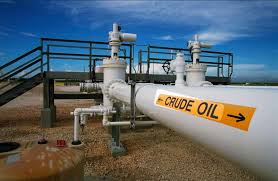
Nigeria’s oil sector is facing renewed pressure as crude oil production has dropped to approximately 1.51 million barrels per day, raising concerns over revenue generation, economic stability, and the country’s ability to meet international production targets. The decline, attributed largely to pipeline vandalism and operational disruptions, highlights persistent structural challenges within Africa’s largest oil-producing nation.
As a member of the Organization of the Petroleum Exporting Countries, Nigeria plays a critical role in global energy supply. However, recurring issues such as oil theft, aging infrastructure, and security lapses continue to undermine its production capacity, limiting the country’s ability to fully capitalize on favorable global oil prices.
Production Decline and Immediate Implications
The reported drop to 1.51 million barrels per day represents a significant deviation from Nigeria’s production targets and installed capacity, which is estimated to exceed 2 million barrels per day. Industry experts note that this gap translates into billions of naira in lost revenue, particularly at a time when the government is heavily reliant on oil earnings to fund its budget and stabilize the economy.
The decline comes amid heightened global demand and price volatility, conditions that would typically benefit oil-exporting countries like Nigeria. However, the inability to sustain production levels means that the country is not fully benefiting from these favorable market dynamics.
For the federal government, the implications are far-reaching. Reduced oil output directly affects foreign exchange earnings, weakens fiscal buffers, and puts additional pressure on the naira. It also complicates budget implementation, particularly for capital-intensive projects that depend on oil revenue.
Pipeline Vandalism and Oil Theft
A major factor behind the production drop is the persistent issue of pipeline vandalism. Criminal networks operating in oil-producing regions, particularly in the Niger Delta, have continued to sabotage pipelines in order to siphon crude oil for illegal refining and black-market sales.
These activities not only reduce output but also cause significant environmental damage, including oil spills that devastate local ecosystems and livelihoods. Communities that depend on fishing and agriculture are often the hardest hit, leading to increased social tensions and economic hardship.
The scale of oil theft in Nigeria has been described by industry stakeholders as alarming. In some cases, entire pipelines have been compromised, forcing operators to shut down production temporarily to prevent further losses and carry out repairs.
Operational and Infrastructure Challenges
Beyond vandalism, operational disruptions have also contributed to the decline in output. Aging infrastructure, including pipelines and export terminals, requires constant maintenance and upgrades. Delays in these processes can lead to production shutdowns and reduced efficiency.
Additionally, technical issues at key oil facilities have further constrained output. Maintenance work, equipment failures, and logistical challenges in transporting crude oil to export terminals all play a role in limiting production capacity.
The complexity of Nigeria’s oil infrastructure spanning onshore, offshore, and deepwater operations means that disruptions in one area can have ripple effects across the entire value chain.
Impact on the Nigerian Economy
Oil remains the backbone of Nigeria’s economy, accounting for a significant portion of government revenue and foreign exchange earnings. As such, any decline in production has immediate and long-term economic consequences.
The drop in output is likely to exacerbate existing economic challenges, including inflation, currency volatility, and fiscal deficits. With reduced dollar inflows, the Central Bank may face increased pressure in managing exchange rates and maintaining monetary stability.
Furthermore, lower oil revenue could affect government spending on critical sectors such as infrastructure, healthcare, and education. This, in turn, may slow economic growth and impact overall development.
Government and Industry Response
In response to the ongoing challenges, the federal government and industry stakeholders have intensified efforts to address pipeline vandalism and improve operational efficiency. Security agencies have been deployed to protect critical oil infrastructure, while surveillance technologies are being introduced to monitor pipeline networks more effectively.
The Nigerian National Petroleum Company Limited has also announced initiatives aimed at boosting production, including partnerships with private security firms and community engagement programs designed to reduce local involvement in illegal activities.
Additionally, reforms in the oil sector, including the implementation of the Petroleum Industry Act, are expected to improve governance, attract investment, and enhance transparency. These measures are seen as critical to revitalizing the sector and restoring investor confidence.
Community Engagement and Local Dynamics
Addressing the root causes of pipeline vandalism requires more than just security measures. Experts emphasize the importance of engaging local communities in the Niger Delta, where many residents feel marginalized despite living in resource-rich areas.
Programs that promote economic inclusion, job creation, and environmental restoration are essential for reducing the incentives for illegal activities. By involving communities in the protection of oil infrastructure, the government can foster a sense of ownership and responsibility.
Community leaders have also called for greater accountability from oil companies, particularly in addressing environmental damage and ensuring fair distribution of resources.
Global Market Context
Nigeria’s production challenges come at a time when global oil markets are experiencing heightened uncertainty due to geopolitical tensions and shifting demand patterns. While some oil-producing countries are increasing output to capitalize on rising prices, Nigeria’s constraints limit its ability to do the same.
This situation not only affects Nigeria’s position within Organization of the Petroleum Exporting Countries but also its competitiveness in the global energy market. Maintaining production levels is crucial for meeting export commitments and sustaining long-term partnerships with international buyers.
The Way Forward
To reverse the decline in oil output, Nigeria must adopt a comprehensive approach that addresses both immediate disruptions and underlying structural issues. Strengthening security around pipelines, investing in modern infrastructure, and enhancing regulatory frameworks are all critical steps.
Equally important is the need for economic diversification. Reducing reliance on oil revenue can help cushion the impact of fluctuations in production and global prices. Investments in sectors such as agriculture, manufacturing, and technology can provide alternative sources of growth and stability.
Conclusion
The drop in Nigeria’s oil output to 1.51 million barrels per day underscores the ongoing challenges facing the country’s most vital economic sector. Pipeline vandalism, operational disruptions, and infrastructure constraints continue to hinder production, with significant implications for revenue generation and economic stability.
While efforts are underway to address these issues, sustained commitment and coordinated action will be required to achieve lasting results. As Nigeria navigates these challenges, the future of its oil industry and its broader economic outlook will depend on the effectiveness of reforms, the resilience of its institutions, and the ability to adapt to an evolving global energy landscape.