


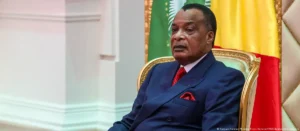
Denis Sassou-Nguesso was officially sworn in on Thursday as President of the Republic of Congo after securing victory in the country’s March presidential election. The 82-year-old leader begins his fifth term in office, extending a political career that has spanned more than four decades.
During his inauguration ceremony in Brazzaville, attended by several African heads of state, Sassou-Nguesso pledged to focus on economic recovery, job creation, and national development. He said his administration would prioritize agriculture and industrial growth while continuing investment in infrastructure.
“Our objective is to create as many jobs as possible, continue developing essential infrastructure, and promote sustainable development,” he said in his address.
According to official election results, Sassou-Nguesso won the vote in the first round with 94.9 percent support. Authorities reported voter turnout above 84 percent. However, opposition candidates and some independent observers questioned the figures, citing low participation and alleging electoral irregularities.
Regional observers, including representatives from the African Union, described the election process as peaceful and orderly. Nonetheless, six rival candidates rejected the outcome, claiming fraud and insufficient transparency.
Sassou-Nguesso first came to power in 1979 and remained president until 1992, when he oversaw the country’s first multi-party elections. He later returned to office in 1997 after a four-month civil conflict and has remained in power since then.
His new term begins amid significant economic challenges. The Republic of Congo continues to face high levels of public debt, estimated by the World Bank at 94.5 percent of gross domestic product. Youth unemployment remains a major concern, while more than half of the country’s estimated 5.7 million people live in poverty. Nearly 47 percent of the population is under the age of 18.
During his re-election campaign, Sassou-Nguesso defended his economic record, highlighting efforts to modernize infrastructure and expand the oil, gas, and agricultural sectors. He has repeatedly emphasized the need to diversify the economy and strengthen domestic production to reduce dependence on imports.
Oil and gas remain the backbone of the Congolese economy, accounting for the majority of state revenue. Economic growth is projected at 2.9 percent for 2025. However, analysts note that growth has not translated into broad improvements in living standards, with poverty levels remaining high.
Critics have long accused successive governments of mismanaging public resources and diverting oil revenues through corruption. Authorities in several countries, including France, have previously opened investigations and criminal complaints linked to Congolese state finances.
As Sassou-Nguesso begins another term, expectations remain high for reforms that can address unemployment, reduce poverty, and improve governance in one of Central Africa’s resource-rich yet economically challenged nations.

