


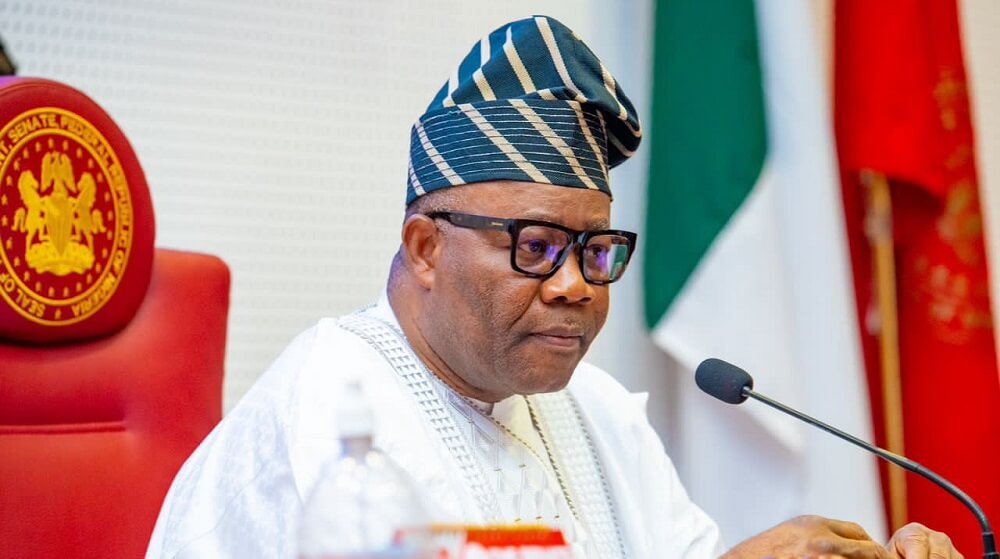
 Godswill Akpabio, Senate President
The President of the Senate, Godswill Akpabio, has expressed concern over the worsening welfare conditions of Nigerian diplomats serving overseas, revealing that some have been forced to withdraw their children from schools due to unpaid fees.
Akpabio made the disclosure on Wednesday during the screening of Sola Enikanolaye, who was nominated for the position of Minister of State for Foreign Affairs. According to him, the situation stems from delays in the payment of salaries and allowances owed to diplomats by the Federal Government.
He explained that many affected diplomats are struggling financially in their host countries, where the cost of living especially education is significantly higher. As a result, some have been unable to meet basic obligations, including school fees for their children, leading to withdrawals from educational institutions.
Describing the development as “deeply troubling” and “pathetic,” Akpabio stressed the urgent need for intervention to prevent further hardship and embarrassment for Nigeria on the international stage. He noted that diplomats represent the country abroad and should not be subjected to conditions that undermine their effectiveness or dignity.
While raising the issue, the Senate President clarified that his remarks were not aimed at criticising the Federal Government but rather to draw attention to a pressing concern requiring swift resolution. He urged the nominee to outline practical steps to address the situation and improve the welfare of Nigeria’s foreign service officers if confirmed.
In response, Enikanolaye an experienced diplomat with over 30 years in service, including postings in countries such as Canada provided a comprehensive overview of his career and pledged to prioritise the welfare of Nigerian diplomats. He acknowledged that timely payment of salaries and allowances is critical to maintaining morale and ensuring effective representation abroad.
The Senate subsequently confirmed his nomination.
The revelation has spotlighted broader challenges within Nigeria’s foreign service, including funding constraints, delayed entitlements, and the rising cost of maintaining diplomatic missions globally. Analysts warn that prolonged neglect of diplomats’ welfare could affect Nigeria’s diplomatic influence, as officers facing financial distress may struggle to perform their duties optimally.
There are also concerns about the reputational impact, as incidents such as children being withdrawn from schools could reflect poorly on the country’s administrative efficiency. Observers say addressing these issues promptly is essential not only for the well-being of diplomats and their families but also for safeguarding Nigeria’s image and credibility in the international community.
The development is likely to prompt further scrutiny of budgetary allocations and financial management within the Ministry of Foreign Affairs, as stakeholders call for reforms to ensure that diplomats are adequately supported while representing the nation abroad.