


Nigeria has recorded 214 deaths from Lassa fever since the beginning of 2026, with health authorities expressing concern over a significant rise in fatalities and the continued spread of the viral disease across the country.
According to the Nigeria Centre for Disease Control and Prevention (NCDC), the disease has maintained a high transmission rate, with the Case Fatality Rate (CFR) reaching 25 per cent as of Epidemiological Week 23, covering June 1 to June 7. The figure represents a sharp increase from the 18.9 per cent recorded during the same period in 2025, indicating that more infected persons are dying from complications associated with the disease.
The NCDC, in its latest Lassa Fever Situation Report, disclosed that the number of both suspected and confirmed cases has increased compared to the previous year. Although the number of new confirmed infections in Week 23 remained unchanged from Week 22, fresh cases were reported in Edo, Ondo, Bauchi and Ebonyi states, underscoring the continued presence of the disease in endemic areas.
Since January, the outbreak has spread to 23 states and 109 local government areas, highlighting the nationwide public health challenge posed by the disease. The agency noted that five states account for 84 per cent of all confirmed infections, making them the major hotspots of transmission. Despite the rise in cases, no new infections among healthcare workers were recorded during the reporting period.
Meanwhile, the resurgence of the disease in Benue State has claimed the life of a medical doctor, Dr. Vitalis Tersoo Azever, who died after battling complications arising from Lassa fever. The late physician, a staff member of APIN Public Health Initiatives in Konshisha Local Government Area, passed away at the Jos University Teaching Hospital (JUTH), Plateau State, where he had been receiving treatment.
His death has cast a shadow over the medical community in Benue, coming barely two days after another young doctor, Dr. Cedric Tyoor Kondom, reportedly died at the same hospital following complications linked to bone marrow failure. The back-to-back losses have sparked concerns among healthcare professionals and residents over the growing health challenges facing the state.
Confirming the development, Benue State Commissioner for Health and Human Resources, Dr. Paul Ogwuche, said emergency response mechanisms had been reactivated following the fresh case. He revealed that the state had been close to declaring the outbreak over before the latest infection was discovered.
According to him, health authorities have commenced extensive contact tracing and case investigations aimed at identifying individuals who may have come in contact with the deceased doctor. Community sensitisation campaigns have also been intensified to educate residents on preventive measures and encourage early reporting of symptoms.
Ogwuche disclosed that Dr. Azever battled the illness for more than two weeks before eventually succumbing to the disease. Preliminary medical investigations conducted on the deceased showed that his kidneys had already been severely affected before his death. He was buried on June 20, while health officials continue to monitor possible contacts to prevent further spread.
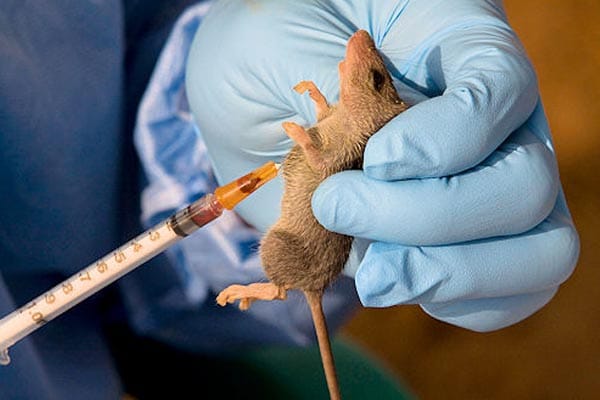
Lassa fever, an acute viral haemorrhagic illness transmitted mainly through contact with food or household items contaminated by urine or faeces of infected rats, remains one of Nigeria’s recurring public health threats. Human-to-human transmission can also occur, particularly in healthcare settings where infection prevention measures are inadequate.
Health experts have continued to advise Nigerians to maintain proper hygiene, store food in rodent-proof containers, keep their environments clean and seek immediate medical attention when symptoms such as fever, weakness, headaches, sore throat or unexplained bleeding occur. The NCDC has reaffirmed its commitment to working with state governments and healthcare institutions to contain the outbreak and reduce fatalities across the country.


