


Poultry farmers across Nigeria are counting heavy losses as Newcastle disease continues to threaten chicken production, household incomes and food security, prompting the Federal Government to launch a coordinated national response.
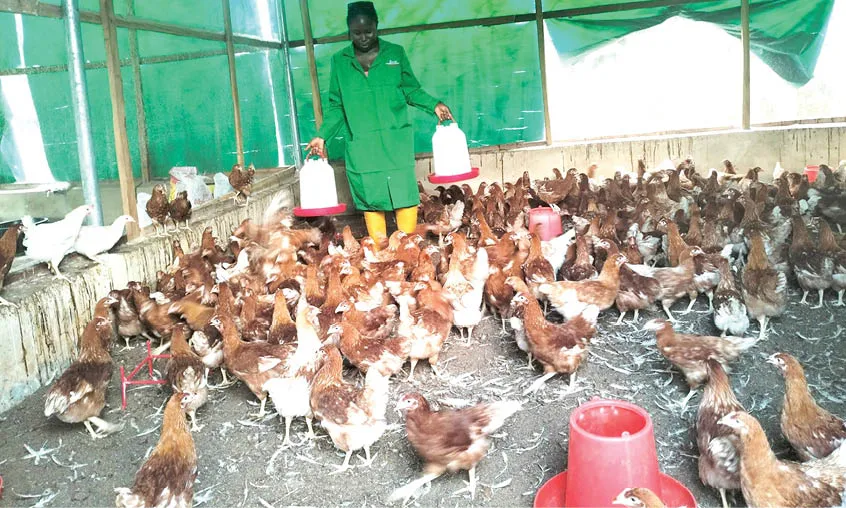
With an estimated 640 million poultry birds in the country, Nigeria has one of Africa’s largest poultry industries. But the highly contagious Newcastle disease remains a major challenge for farmers, particularly those in rural communities who depend on poultry for income and household expenses.
The disease is caused by the Newcastle disease virus (NDV) and can affect chickens, turkeys, ducks, pigeons and guinea fowls. Chickens are particularly vulnerable.
In severe cases, the disease can cause coughing, difficulty breathing, greenish diarrhoea, paralysis, twisted necks, falling egg production and sudden death. Unvaccinated flocks can suffer extremely high mortality during serious outbreaks.
How the virus spreads
Newcastle disease can spread rapidly through infected birds and their secretions, including saliva, nasal discharge and faeces.
Contaminated feed, drinking water, poultry equipment, vehicles, egg trays, clothing and footwear can also carry the virus from one location to another.
Experts have identified live bird markets as potential hotspots because birds from different areas are brought together in close proximity.
There is no specific cure for Newcastle disease, making prevention, vaccination and strong farm biosecurity crucial.
FG launches national strategy
To tackle the growing threat, the Federal Ministry of Livestock Development, working with the Global Alliance for Livestock Veterinary Medicine (GALVmed), has inaugurated a National Technical Working Group on Newcastle Disease.
The group will develop Nigeria’s first National Newcastle Disease Strategic Plan, designed to provide a coordinated approach to disease surveillance, vaccination, biosecurity and rapid response.
The Permanent Secretary of the ministry, Dr Chinyere Ijeoma Akujobi, represented by Dr Adedoyin Adeniyi, said Newcastle disease remains one of the most damaging viral diseases affecting poultry farmers in Nigeria.
She said the disease has caused major economic losses, reduced farmers’ incomes and posed a threat to food security and the development of the poultry industry.
According to her, the new strategy will also address weaknesses in coordination that have affected previous efforts to control the disease.
Nigeria to strengthen vaccine delivery
Akujobi said Nigeria already has the capacity to produce Newcastle disease vaccines locally through the National Veterinary Research Institute (NVRI).
She said the government would focus on improving last-mile vaccine delivery, educating farmers on recognising and reporting outbreaks and promoting effective biosecurity measures.
She also called for stronger cooperation between federal and state governments, development partners, veterinary authorities and private-sector stakeholders.
The ministry said it would continue working with organisations such as ECOWAS, AU-IBAR, NEPAD and the Food and Agriculture Organisation (FAO) to strengthen animal disease control.
Why village poultry matters
Dr Mitchell Alao, Director and Head of the Department of Animal Health and Reproductive Services, described the national strategy as an important step towards improving Nigeria’s animal health system.
He said it would help government agencies, research institutions, development partners and private organisations coordinate their efforts and use available resources more effectively.
The Chief Veterinary Officer and National Programme Coordinator for African Swine Fever, Dr Ago, also highlighted the importance of village chickens to rural households.
He said small-scale poultry production provides affordable animal protein and income for millions of Nigerians, particularly rural women and vulnerable families.
Experts, however, say defeating Newcastle disease will require more than vaccines. They are calling for sustained surveillance, farmer education, accessible veterinary services, prompt reporting of suspected outbreaks and strict biosecurity.
For poultry farmers already struggling with losses, the success of the government’s new strategy could prove crucial to protecting Nigeria’s poultry industry and the livelihoods built around it.
Newcastle Disease Hits Poultry Farmers Hard as FG Moves to Protect Nigeria’s 640m Birds


- Advertisment -