


The Nigeria Union of Journalists (NUJ), Federal Capital Territory (FCT) Council, has raised fresh alarm over worsening welfare conditions in the media industry, warning that poor pay and unpaid salaries are now threatening journalism practice and Nigeria’s democratic stability ahead of the 2027 general elections.
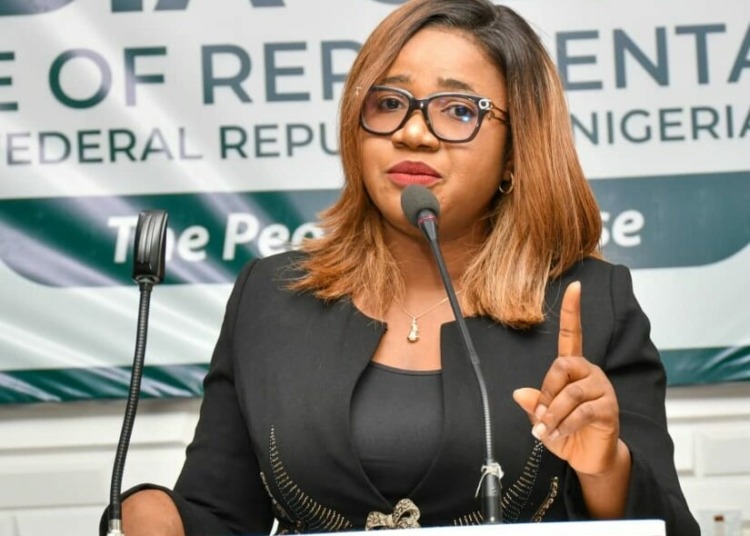
The warning was issued in Abuja by the NUJ FCT Chairman, Comrade Grace Ike, during a two-kilometre health walk organised as part of activities marking the council’s 2026 Press Week.
Ike said journalists across the country are facing growing economic hardship, delayed salaries, poor working conditions, intimidation and heavy workload pressures, despite their critical role in holding government and institutions accountable.
She warned that when journalists are underpaid and financially unstable, the quality of reporting suffers, reducing the media’s capacity to effectively support democracy.
The NUJ chairman also stressed that media owners must prioritise staff welfare, noting that journalists often work under intense pressure, including night duties, tight deadlines, harassment and mental exhaustion.
According to her, recent medical screenings conducted by the union revealed high cases of hypertension among journalists, many of whom were unaware of their health conditions.
She described the findings as a wake-up call on the impact of stress in the profession.
Ike further noted that the health walk and related activities were designed to promote mental and physical well-being among journalists, adding that a healthy press is essential for a healthy democracy.
She also raised concern over the rise of fake news, disinformation and unethical reporting ahead of the 2027 elections, urging journalists to maintain professionalism and adhere strictly to factual reporting, especially in a tense political environment.
Former NAWOJ President, Evelyn Onyilo, commended the initiative, urging journalists to prioritise their health, while the Chairman of the 2026 Press Week Committee, Obas Esiedesa, said the programme was designed to address both professional and health challenges facing media practitioners.
Stakeholders at the event agreed that improved welfare and better working conditions are crucial to sustaining credible journalism and strengthening democracy in Nigeria.


