


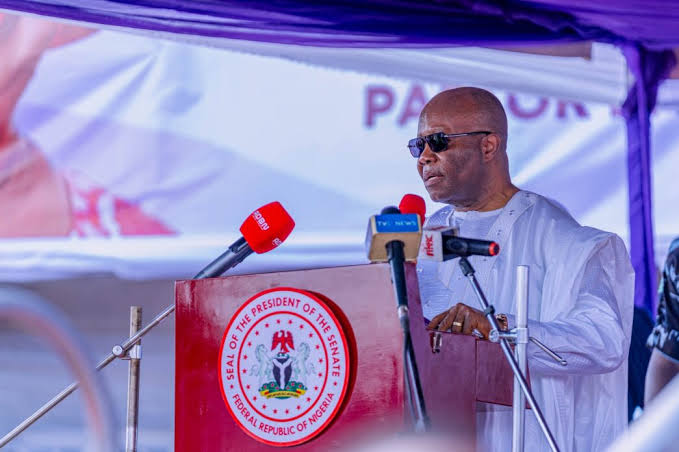
Nigeria’s top security officials, military leaders, policymakers, and strategic experts are set to gather in Abuja for a high-level national security seminar aimed at addressing the country’s persistent border security challenges and developing practical solutions to safeguard national stability.
The two-day event, organized by the Alumni Association of the National Defence College, will bring together key stakeholders from across the security and governance sectors, including members of the Armed Forces, intelligence agencies, law enforcement institutions, diplomats, academics, civil society organizations, and media practitioners.
The seminar, themed “Strengthening Nigeria’s Border Security Architecture for National Stability,” is scheduled to hold from June 16 to 17, 2026, at the auditorium of the National Defence College in Abuja. It is expected to serve as a strategic platform for reviewing the effectiveness of existing border management systems and exploring innovative approaches to combating emerging security threats.
According to Acting President of AANDEC, Amatare KPOU, discussions will focus on critical issues such as transnational organized crime, arms smuggling, human trafficking, irregular migration, terrorism financing, and the movement of criminal elements across Nigeria’s extensive land and maritime borders.
Nigeria shares thousands of kilometres of borders with neighbouring countries including Benin, Niger, Chad and Cameroon. Security experts have repeatedly warned that inadequate surveillance and weak border controls have contributed to the proliferation of illegal arms, cross-border banditry, terrorism, smuggling activities, and other forms of transnational crime.
The seminar comes at a time when Nigeria continues to grapple with multiple security challenges, including insurgency in the North-East, banditry and kidnapping in the North-West, oil theft in the Niger Delta, and growing concerns over the influx of illicit weapons into the country. Analysts believe that strengthening border governance remains a critical component of the nation’s broader security strategy.
Participants are expected to examine how technology-driven surveillance systems, intelligence sharing, inter-agency cooperation, and regional partnerships can be leveraged to improve border management and national security outcomes. Discussions will also focus on policy reforms, capacity building, and the modernization of border infrastructure to enhance monitoring and enforcement capabilities.
Among those expected to play prominent roles in the discussions are senior military officers, retired generals, members of the National Assembly, including Senate President Godswill Akpabio, as well as representatives of key security institutions and international partners involved in regional security cooperation.
Organizers say the outcome of the seminar will generate practical recommendations for government and security agencies, with the goal of creating a more resilient and coordinated border security architecture capable of responding effectively to evolving threats.
The Alumni Association of the National Defence College noted that as a body comprising graduates of the college, it remains committed to fostering informed dialogue, supporting strategic policy development, and contributing to national security initiatives that promote peace, stability, and sustainable development across Nigeria.
The association has also extended invitations to members of the public and other interested stakeholders to participate in the seminar, underscoring the importance of collective responsibility in addressing security challenges and protecting the nation’s territorial integrity.