

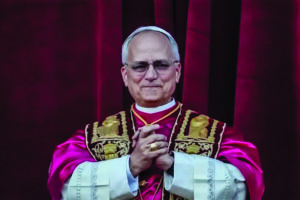
A growing chorus of world leaders has issued urgent appeals for de-escalation in the Middle East, as rising tensions linked to the ongoing Iran-related conflict threaten to destabilize not only the region but the broader global order. Diplomatic pressure is mounting from political, religious, and multilateral institutions, all warning that continued hostilities could spiral into a wider crisis with severe humanitarian, economic, and security consequences.
At the forefront of these appeals is Pope Francis, who has called for restraint, dialogue, and respect for human life. Speaking during a public address at the Vatican, the pontiff urged all parties involved to “choose the path of peace over the destruction of war,” emphasizing the moral responsibility of global leaders to protect civilians and avoid further escalation. His statement reflects growing concern among religious and humanitarian leaders that the conflict is rapidly approaching a tipping point.
The renewed tensions stem largely from confrontations involving Iran and its regional adversaries, with military actions and retaliatory threats raising fears of a broader regional war. The strategic importance of the Middle East particularly its role in global energy supply and geopolitical balance has intensified international attention and concern. Several countries have reported heightened military readiness, while diplomatic channels are being urgently activated to prevent further deterioration.
In Washington, Joe Biden reiterated the United States’ commitment to de-escalation, stating that diplomacy remains the preferred path forward. He confirmed that U.S. officials are actively engaging with regional partners and international allies to reduce tensions and encourage dialogue. While maintaining support for key allies in the region, the U.S. administration has stressed the importance of avoiding actions that could provoke a wider confrontation.
Similarly, European leaders have taken a firm stance in favor of diplomatic resolution. Officials from the European Union have called for immediate ceasefire negotiations and a return to structured diplomatic talks. The EU’s foreign policy leadership has warned that continued instability could trigger a new wave of migration, economic shocks, and security risks across Europe and neighboring regions.
From Asia, Xi Jinping has advocated for multilateral dialogue and peaceful coexistence, urging all parties to resolve disputes through negotiation rather than force. China’s position underscores its growing role as a global mediator and its vested interest in maintaining stability in a region critical to international trade routes and energy supplies.
Russia has also weighed in, with Vladimir Putin calling for restraint and warning against what he described as “provocative actions” that could escalate the conflict. Moscow has emphasized the need for adherence to international law and has proposed renewed diplomatic engagement through established global frameworks.
The United Nations has played a central role in coordinating international response efforts. Secretary-General António Guterres has issued multiple statements urging an immediate halt to hostilities and calling for all parties to return to the negotiating table. He warned that the current trajectory could lead to catastrophic consequences, particularly for vulnerable civilian populations caught in conflict zones.
Humanitarian organizations have echoed these concerns, reporting worsening conditions in affected areas. Access to food, medical supplies, and safe shelter is becoming increasingly limited, particularly in regions already grappling with economic hardship and political instability. Aid agencies have called for the establishment of humanitarian corridors to allow assistance to reach those in urgent need.
The economic implications of the crisis are also becoming more pronounced. Global oil prices have experienced volatility due to fears of supply disruptions, while financial markets remain sensitive to developments in the region. Analysts warn that prolonged instability could slow global economic growth, exacerbate inflation, and disrupt international trade networks.
Despite these challenges, diplomatic efforts continue behind the scenes. Several countries are reportedly engaging in quiet negotiations aimed at reducing tensions and establishing frameworks for dialogue. Regional powers are also being encouraged to play constructive roles in mediating disputes and promoting stability.
However, experts caution that achieving de-escalation will require more than statements of intent. It will demand sustained diplomatic engagement, confidence-building measures, and a willingness by all parties to compromise. The complexity of alliances, historical grievances, and strategic interests in the Middle East makes the path to peace particularly challenging.
Public sentiment across the globe is also increasingly focused on the crisis. Protests, advocacy campaigns, and public statements from civil society groups are calling for peace and accountability. Social media platforms have amplified these voices, creating a global conversation about the human cost of conflict and the urgent need for resolution.
As the situation continues to evolve, the international community faces a critical moment. The decisions made in the coming days and weeks could determine whether the Middle East moves toward de-escalation and stability or descends further into conflict. For now, the unified message from world leaders remains clear: diplomacy, restraint, and dialogue must prevail.
The stakes are high not only for the region but for the entire world. In an interconnected global system, the ripple effects of conflict extend far beyond national borders. Preventing escalation in the Middle East is not just a regional priority; it is a global imperative that demands immediate and sustained action.
World Leaders Intensify Calls for Urgent De-escalation in the Middle East Amid Rising Global Tensions


- Advertisment -