


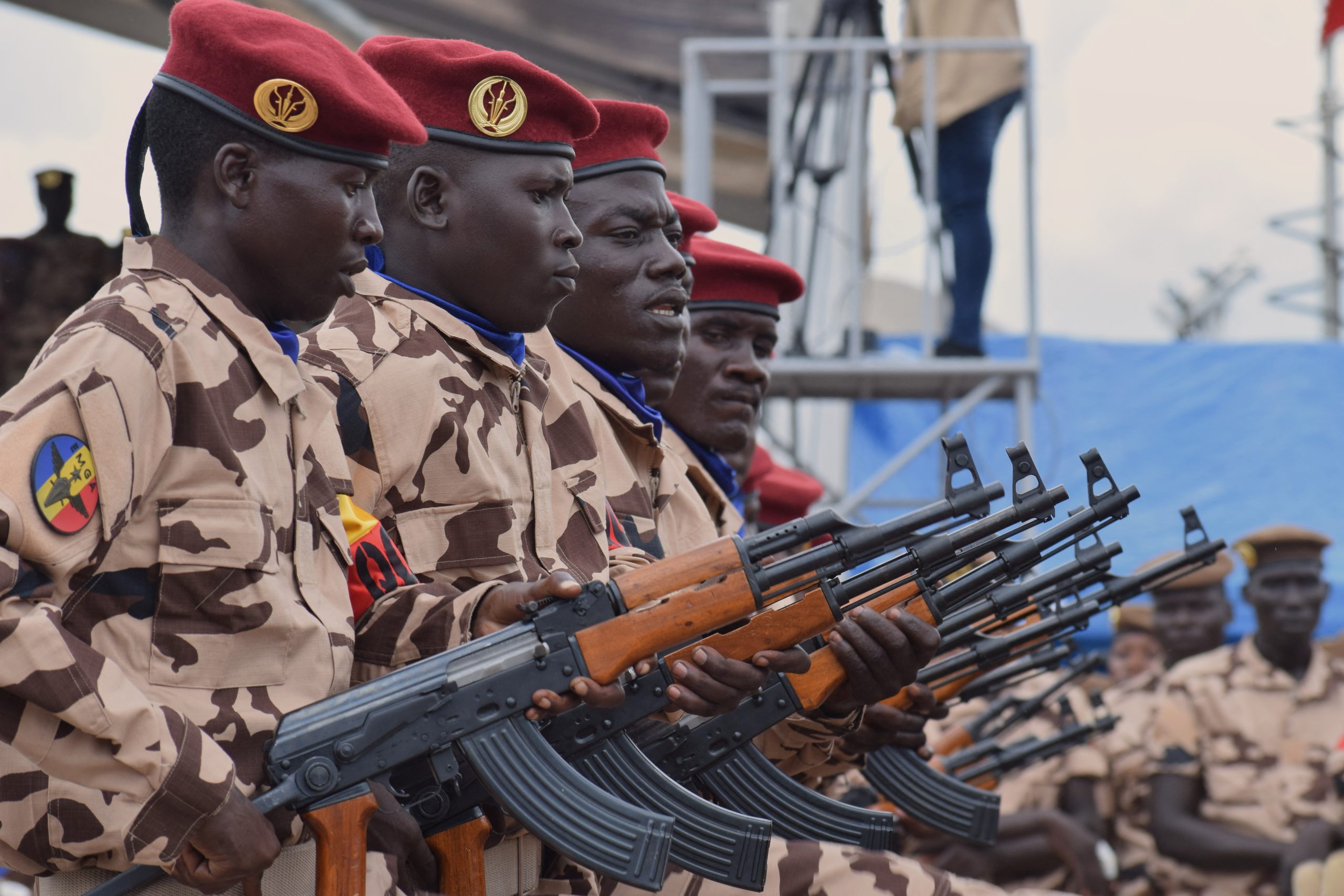
Military-led governments in the Mali, Niger, and Burkina Faso are under intensifying internal and external pressure as the region continues to grapple with persistent insecurity, strained international relations, and growing uncertainty over the timeline for restoring civilian rule following a series of coups between 2020 and 2023.
The political landscape across the central Sahel has fundamentally shifted since the military takeovers that brought transitional authorities to power in Bamako, Niamey, and Ouagadougou. These governments have consistently justified their extended rule on the basis of deteriorating security conditions, particularly the expansion of armed insurgent groups operating across porous borders in the Liptako-Gourma region. However, critics argue that security conditions have not substantially improved in many areas, while democratic transition promises have been repeatedly postponed, revised, or left undefined.
In Mali, the transitional administration led by military authorities under President Assimi Goïta has prioritized restructuring the armed forces, expanding cooperation with new security partners, and consolidating state control in contested regions. Despite these efforts, large areas in the north and center of the country remain affected by armed group activity, road insecurity, and periodic attacks on both military positions and civilian communities. Opposition figures and civil society groups continue to argue that the absence of a clear electoral calendar undermines legitimacy and risks entrenching long-term military rule.
In Niger, the transitional leadership under General Abdourahamane Tchiani has adopted a sovereignty-focused political agenda, emphasizing national control over security and resource management following the 2023 political crisis. Relations with several Western partners have deteriorated significantly since the transition, affecting military cooperation agreements, foreign aid flows, and development programs. Authorities maintain that these shifts are necessary to assert independence and address internal instability, while critics warn that reduced external support could weaken counterinsurgency capacity in vulnerable regions.
In Burkina Faso, the government led by Captain Ibrahim Traoré continues to face sustained security pressure from armed groups active in multiple provinces, particularly in the Sahel, East, and Centre-North regions. The administration has expanded civilian mobilization initiatives and local defense groups alongside military operations, but humanitarian agencies report continued displacement and limited access to basic services in conflict-affected areas. Political analysts note that while the government maintains strong public messaging around sovereignty and anti-colonial policy direction, insecurity remains a major challenge to stabilization efforts.
The Economic Community of West African States (ECOWAS) has maintained consistent diplomatic pressure on all three countries, calling for the establishment of clear transition frameworks and the organization of elections within defined timelines. However, negotiations between ECOWAS and the transitional governments have frequently stalled due to disagreements over sanctions, sovereignty concerns, and the sequencing of security stabilization versus political transition. In some cases, sanctions and diplomatic isolation measures have been introduced or partially lifted depending on evolving negotiations, contributing to a fluctuating regional diplomatic environment.
Security cooperation in the Sahel has undergone major realignment. Traditional Western military partnerships have been reduced or restructured in several cases, while transitional governments have pursued new alliances and diversified defense cooperation strategies. This shift has altered intelligence-sharing arrangements and joint operational frameworks that previously supported counterterrorism efforts across the region. Analysts warn that fragmentation of security cooperation could create gaps that armed groups may exploit, particularly in remote border areas where state presence remains limited.
Economic conditions across the three countries remain under pressure, with inflation, fuel costs, and disrupted trade routes compounding the impact of insecurity. Humanitarian agencies report increasing displacement levels, particularly in Burkina Faso, which now hosts one of the largest internally displaced populations in the region. Access to education and healthcare in conflict-affected zones has also deteriorated, with repeated attacks on infrastructure and limited humanitarian access posing ongoing challenges.


