


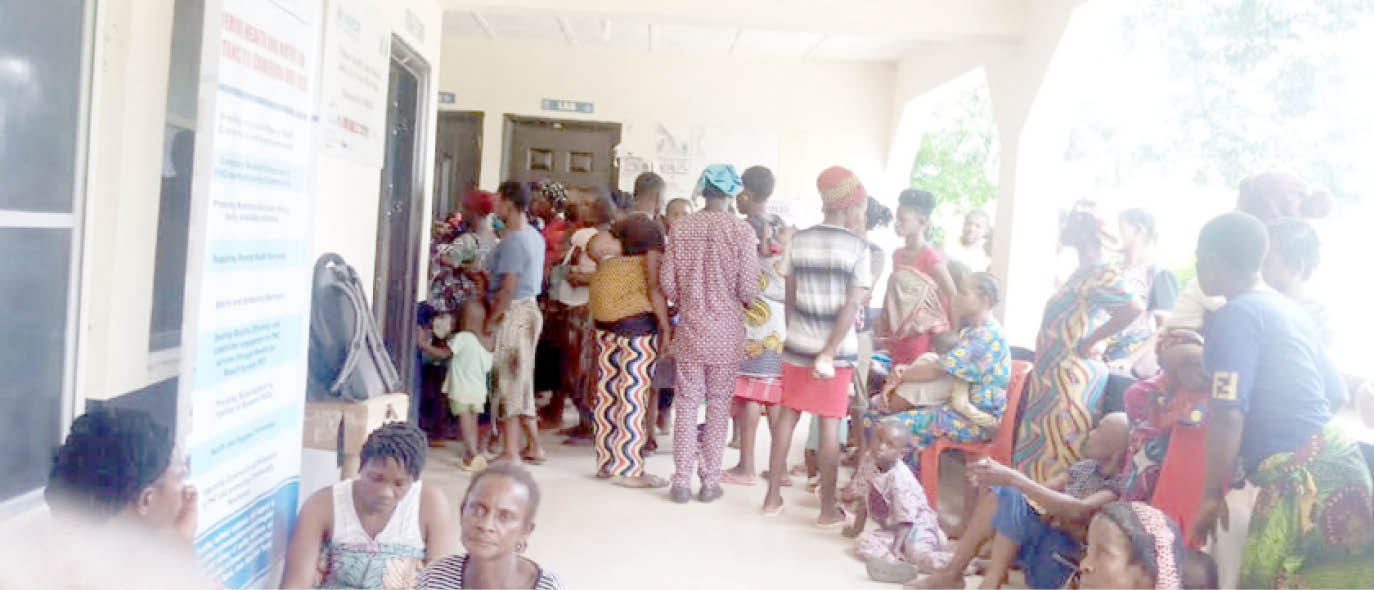
The Federal Government has disclosed that approximately 145,000 Nigerians are currently living as refugees in different countries around the world, with more than 100,000 of them reportedly residing in Cameroon alone.
This revelation was made by the Federal Commissioner and Chief Executive Officer of the National Commission for Refugees, Migrants and Internally Displaced Persons (), Aliyu Tijani Ahmed, during a press briefing in Abuja ahead of the 2026 World Refugee Day.
Ahmed explained that Nigerian refugees are largely concentrated across West African countries, including Niger, Cameroon, and Chad, while significant populations are also recorded in Libya and South Africa. He noted that the scale of displacement reflects ongoing security and humanitarian challenges affecting different parts of the country.
According to him, recent assessments show that Cameroon hosts the largest number of Nigerian refugees, estimated at over 100,000 individuals. He added that many of these displaced persons fled due to insecurity, particularly in Nigeria’s North-East region, where prolonged conflict and instability have forced thousands to seek safety across borders.
The NCFRMI boss revealed that in recent years, the Federal Government, working in collaboration with the United Nations High Commissioner for Refugees () and state governments such as Borno, has facilitated the voluntary return of thousands of refugees to Nigeria. He said about 20,000 Nigerians have been repatriated over the past three to four years through organised return programmes.
These returns, he explained, include approximately 10,000 individuals from Cameroon, 7,000 from Chad, and about 3,000 from other neighbouring countries. However, he stressed that repatriation is strictly voluntary and must comply with international humanitarian standards.
Ahmed noted that refugees cannot be forced to return to their country of origin unless they willingly express the desire to do so, and even then, specific conditions must be met to ensure safe, dignified and sustainable reintegration. He emphasized that international protocols guide every stage of the process, including screening, documentation, transportation, and resettlement support.
He further explained that Nigeria is simultaneously hosting a significant number of refugees from neighbouring countries. According to official estimates, the country currently accommodates about 150,000 refugees, many of whom reside in border communities and coastal states such as Cross River, Akwa Ibom, and parts of Benue State.
These incoming refugees, he said, mainly originate from Cameroon, the Central African Republic, and Sudan, reflecting broader regional instability across parts of Africa. Many of them have settled in host communities where they rely on local support systems and humanitarian assistance.
The NCFRMI chief reiterated the Federal Government’s commitment to managing refugee and migration issues despite economic challenges. He said efforts are ongoing to strengthen coordination with international partners, improve humanitarian response mechanisms, and ensure that displaced persons are treated with dignity and provided with basic support.
He also highlighted the importance of balancing national resources with humanitarian obligations, noting that refugee management requires sustained cooperation between government institutions, international organisations, and host communities.
Speaking on the occasion of World Refugee Day 2026, UNHCR Deputy Representative to Nigeria, Bernadette Muteshi, said this year’s theme, “Until Everyone is Safe,” underscores the global urgency of protecting displaced populations and upholding the right to seek asylum.
She observed that the principle of asylum is increasingly under pressure globally due to rising conflicts, economic instability, and tightening migration policies in several regions. She therefore called for stronger international solidarity and renewed commitment to protecting vulnerable populations.
Analysts say Nigeria’s situation reflects a complex dual reality—being both a country of origin for refugees and a host nation for displaced persons from neighbouring states. This dual role places additional pressure on national resources while also highlighting Nigeria’s strategic position in regional humanitarian dynamics.
Experts also note that ongoing insecurity, climate-related displacement, and cross-border tensions continue to fuel population movements across West and Central Africa, making coordinated regional responses essential.
As the world marks World Refugee Day, stakeholders are calling for more sustainable solutions, including improved security, stronger reintegration programmes for returnees, and expanded support for host communities that continue to accommodate displaced populations.
The Federal Government has reiterated its commitment to working with international partners to ensure that refugees and displaced persons—both within and outside Nigeria—are supported in line with global humanitarian standards, while also addressing the root causes of forced displacement across the region.