


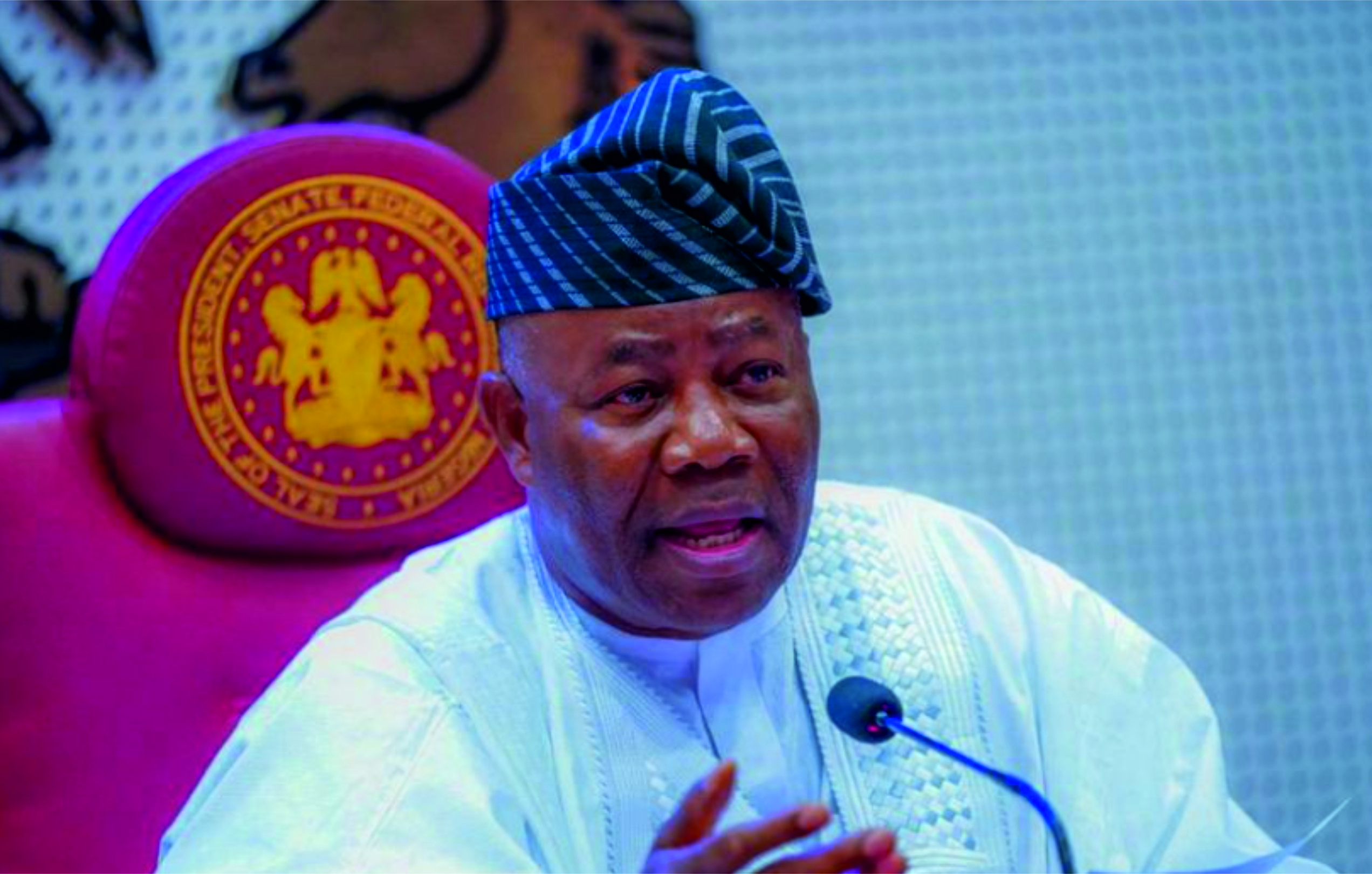
Senate President Godswill Akpabio has set a high standard for the remaining tenure of the 10th National Assembly’s Senate, urging members to prioritise urgency, discipline and reform-oriented lawmaking as the chamber resumes work for the year. The push reflects a renewed focus on impactful legislation and institutional order with less than one year and five months left in the legislative cycle.
At the first plenary sitting of 2026 after the Christmas and New Year recess, Akpabio told senators that this phase of the Senate’s life marks a decisive period that separates mere participation from tangible performance. He emphasised that lawmakers should avoid legislative clutter and instead pursue reforms that deliver value, particularly in key national areas such as economic growth, security and public confidence.
Senate leadership outlined that pending work including scrutiny and passage of the 2026 Appropriation Bill is central to its agenda for the coming months. Akpabio advised rigorous examination of government spending plans and urged responsible legislative action as part of efforts to solidify the Senate’s legacy. Committees have already begun detailed review of revenue and expenditure estimates, underscoring the scale of work ahead.
Beyond financial oversight, the Senate President stressed the importance of long-term thinking in lawmaking. He encouraged colleagues to consider the lasting implications of their decisions and to enact laws that will strengthen institutions, protect lives and foster national growth, rather than focusing on volume alone.
Akpabio also highlighted the need for productive collaboration with the executive branch, noting that cooperation governed by mutual respect and constitutional responsibility is essential to fulfilling the legislature’s mandate. As political activities intensify ahead of the 2027 general elections, he called on senators to balance legislative duties with the broader public interest.
The renewed legislative push places particular emphasis on prioritising laws that address urgent national needs, including reforms to electoral legislation and other key instruments affecting governance and public trust, as the Senate seeks to finish its term with substantive achievements.


