


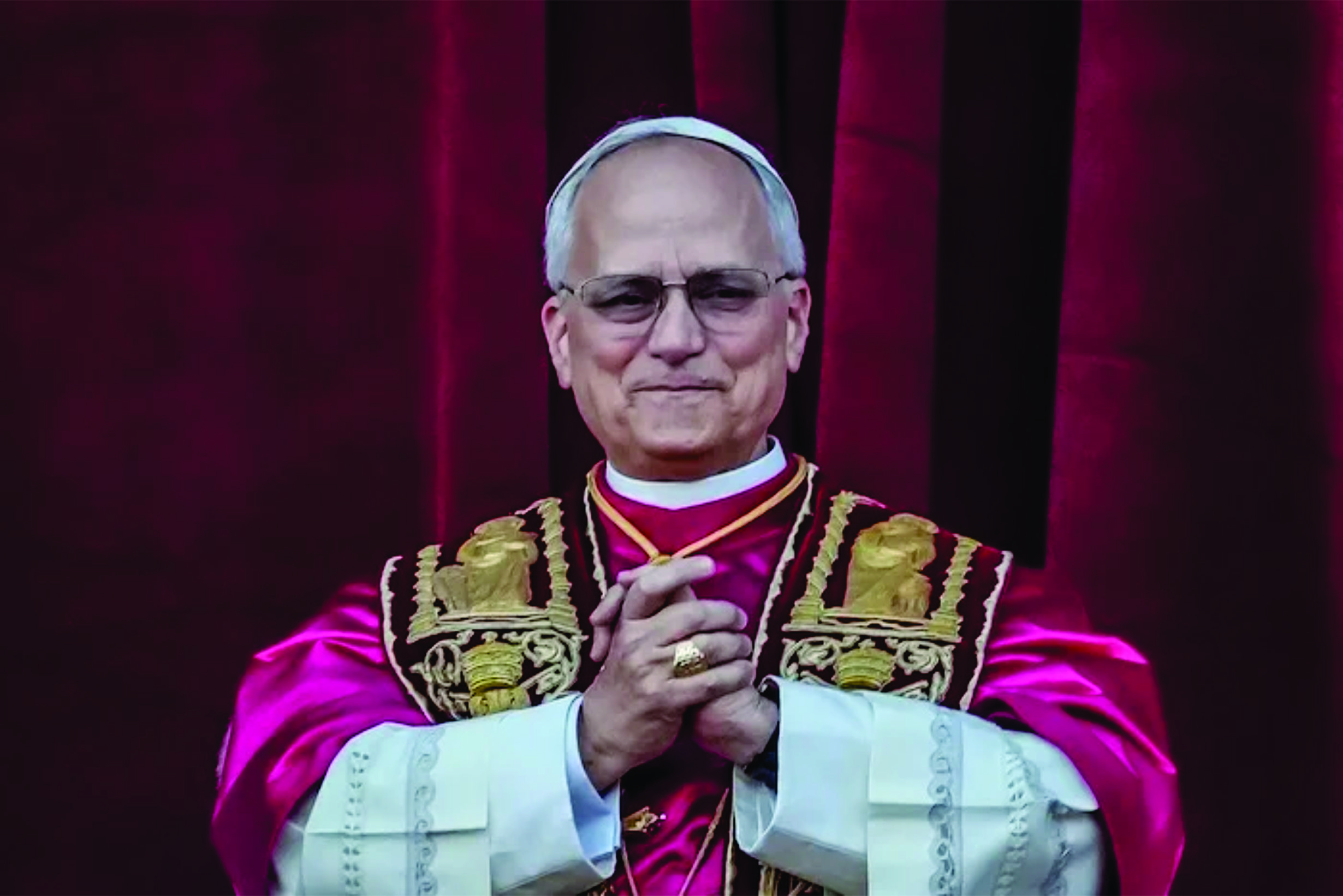
A coalition of separatist fighters operating across Cameroon’s English-speaking Northwest and Southwest regions has объявed a temporary ceasefire to coincide with the ongoing visit of Pope Leo XIV, in a development that has drawn cautious optimism, political scrutiny, and renewed debate over the fragility of peace in the country’s long-running Anglophone conflict.
The ceasefire announcement was circulated through separatist-linked communication networks associated with factions of the Ambazonia Defence Forces (ADF) and allied armed units operating in rural strongholds across Lebialem, Momo, Mezam, and parts of Manyu Division. While no single centralized command structure has publicly confirmed full compliance, multiple field commanders reportedly signaled adherence to the pause in hostilities during the papal schedule.
Among those linked to regional coordination of the announcement, separatist field commanders identified in local intelligence briefings include Commander “No Pity” and Commander “General Bitter Truth”, both of whom have previously been associated with armed operations in Lebialem axis and surrounding forested corridors. Security officials caution that separatist command structures remain fragmented, making enforcement uneven and unpredictable.
The visit by Pope Pope Leo XIV has become a focal point for both humanitarian messaging and diplomatic signaling, particularly as it overlaps with renewed international concern over stalled peace efforts between armed groups and the state.
In Yaoundé, President Paul Biya has not issued a direct endorsement of the ceasefire but has instructed security agencies to maintain heightened alert while ensuring civilian protection during the papal visit. Government spokespersons reiterated that national unity remains non-negotiable despite temporary reductions in violence.
Security operations are being coordinated by Defence Minister Joseph Beti Assomo, who reportedly ordered reinforced surveillance across sensitive corridors linking Bamenda Buea Kumba and rural supply routes frequently affected by ambushes and improvised explosive devices. Military intelligence units have also been deployed to monitor potential violations in Lebialem, Batibo, Wum, and Akwaya.
The Minister of Territorial Administration Paul Atanga Nji warned that while reduced fighting has been observed in some areas, any armed violation against civilians or state institutions would be met with immediate operational response.
Religious leaders have also played a visible role in shaping the atmosphere surrounding the ceasefire. The Archbishop of Bamenda Andrew Nkea described the development as a “fragile but meaningful pause,” urging both separatist fighters and government forces to extend restraint beyond the papal schedule and consider structured dialogue.
The Archbishop of Douala Samuel Kleda praised the temporary reduction in violence as an opportunity for moral reflection, emphasizing that lasting peace would require political compromise rather than symbolic gestures alone.
In Bamenda, Buea, and surrounding communities, residents reported a noticeable reduction in gunfire and patrol clashes since the announcement. However, the atmosphere remains tense, with many families limiting movement due to uncertainty over whether the ceasefire will hold.
Local school administrator Evelyn Nchang said communities have witnessed similar temporary pauses before, many of which collapsed shortly after. Youth activist Emmanuel Tabe described the situation as “hope wrapped in fear,” noting that civilians remain unconvinced that armed actors will maintain restraint beyond the papal visit.
In Kumba, trader Samuel Ekema reported partial reopening of markets, though rural transport routes remain disrupted due to lingering security concerns and checkpoints.
Cameroon’s military command has increased surveillance operations across key flashpoints, with intelligence units tracking suspected separatist movements in Akwaya, Batibo, and Wum areas. Security sources say rapid-response units remain on standby in case of ceasefire breakdowns.
Security analyst Dr. Celestine Nfor of the University of Buea said the ceasefire reflects a combination of religious influence, international visibility, and tactical repositioning rather than a unified peace agreement. According to him, “the absence of centralized command among separatist factions makes enforcement uncertain, with compliance varying widely on the ground.”
Peace researcher Dr. Marie Claire Ngono added that previous ceasefire attempts in the Anglophone crisis have often collapsed due to internal rivalries and mistrust between communities and security forces.
The Anglophone crisis, which escalated in 2016–2017 following protests over governance and linguistic marginalization, has evolved into a prolonged armed conflict involving separatist groups demanding independence for a self-declared state referred to as Ambazonia, while the government insists on maintaining national unity.
Despite repeated mediation attempts involving religious institutions, diaspora initiatives, and informal negotiations, no comprehensive peace agreement has yet been achieved.
As Pope Leo XIV continues his regional visit across Central and West Africa, observers say the ceasefire may reduce immediate violence but remains highly dependent on sustained political engagement beyond symbolic diplomacy.
For now, residents are experiencing a rare lull in hostilities, but officials and community leaders warn that the situation remains fragile and highly vulnerable to collapse once international attention shifts away from the region.