


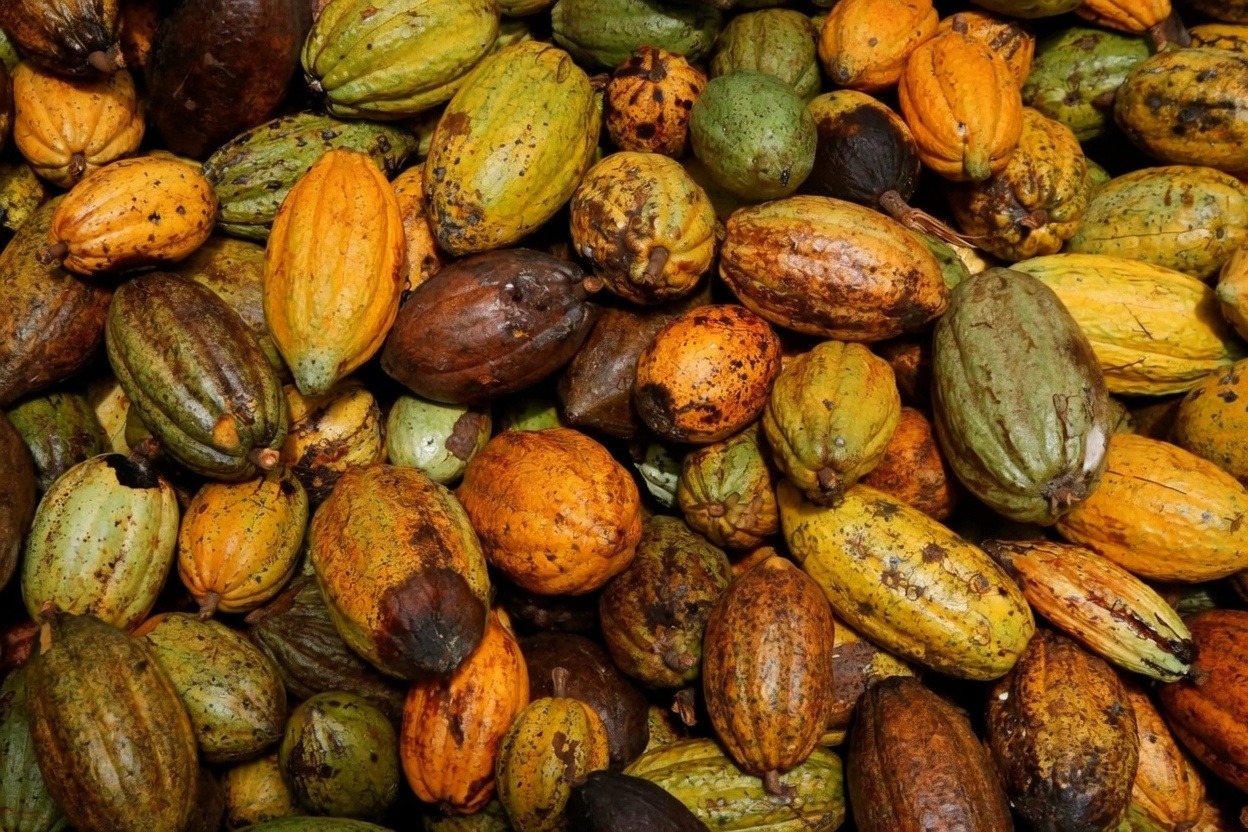
The government of Ivory Coast has announced a large-scale cocoa buyback programme aimed at absorbing unsold stocks and safeguarding farmers’ incomes amid falling global prices and slowing exports.
Under the intervention, the state will purchase the entire volume of cocoa currently stockpiled by cooperatives across the country, a move designed to prevent financial losses among producers and stabilise the domestic cocoa market. The strategy will rely on accredited national operators working alongside multinational buyers, exporters, and traditional supply chain partners to manage procurement and logistics.
The initiative follows a sharp drop in cocoa prices, which have fallen to their lowest levels in nearly two years after a surge in late 2024. The price slump has reduced demand from international chocolate manufacturers and weakened export flows, particularly to European and Asian markets. As a result, cocoa stocks have accumulated, placing financial strain on cooperatives and individual farmers.
Cocoa remains a critical pillar of Ivory Coast’s economy, accounting for an estimated 14 percent of national GDP and providing livelihoods for roughly one in five citizens. The government’s intervention reflects growing concerns that prolonged market volatility could undermine rural incomes, weaken the agricultural sector, and deepen economic vulnerability in cocoa-producing regions.
Agricultural authorities described the buyback as a targeted market-stabilisation effort, structured to ensure timely payments to producers while preserving the long-term integrity of the cocoa supply chain. The programme is also expected to reinforce confidence among farmers ahead of upcoming harvest cycles, amid broader concerns about price uncertainty and global demand shifts.
Ivory Coast is the world’s largest cocoa producer, and developments in its domestic market have significant implications for global cocoa supply, international pricing, and the broader chocolate industry.