


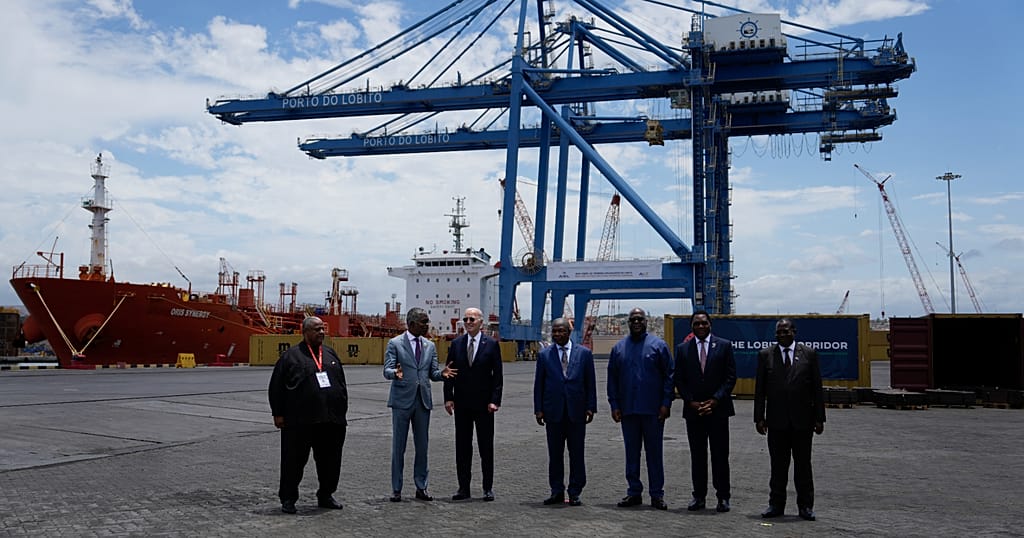
The Lobito Corridor is moving from planning to full operation, as trains now begin transporting copper and cobalt from the Democratic Republic of the Congo through Angola to the Atlantic port of Lobito.
The project, built around the historic Benguela railway, is designed to shorten export routes for critical minerals used in global energy and technology industries, while reducing dependence on long-distance road transport.
Rail operators say the system is faster, cheaper in the long term, and significantly more environmentally friendly than trucking, cutting emissions and easing pressure on roads.
Officials also say it could improve supply chain efficiency for copper and cobalt exports.
The corridor has attracted major international attention, with investors from the United States and Europe viewing it as a strategic alternative to Chinese-backed mining infrastructure across Africa. It is seen as part of a broader global competition for access to critical minerals essential for electric vehicles and renewable energy technologies.
At the western end of the route, the port city of Lobito handles mineral, oil, and gas exports, and is expected to become a key logistics hub if the corridor expands as planned.
However, analysts warn that while the project promises economic growth and improved trade links, it could also deepen geopolitical competition over Africa’s resources. They stress that success will depend on whether the project delivers real benefits for local communities in Angola, the DRC, and Zambia, including jobs, infrastructure development, and fair revenue sharing.

