


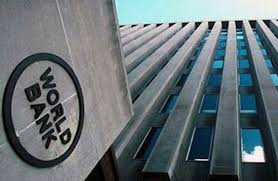
Nigeria’s electricity challenges have deepened after the Federal Government cancelled $717.7 million in undisbursed World Bank financing under the Power Sector Recovery Programme, a major reform initiative aimed at stabilising the country’s struggling power sector.
According to World Bank restructuring documents, the cancellation followed a joint decision by both parties after key reform targets were not met within the expected timeline. The move effectively ends the remaining portion of the $1.52 billion programme designed to improve electricity supply reliability, strengthen sector finances, and reduce tariff shortfalls.
The World Bank confirmed that no further disbursements will be made, adding that implementation of the programme had become “moderately unsatisfactory,” with only a small fraction of the additional financing already utilised before the cancellation.
The facility, originally approved in 2020 and later expanded in 2023, was expected to run until 2027 but has now been cut short due to persistent structural challenges in Nigeria’s power sector.
The bank attributed the setbacks to worsening macroeconomic conditions, including the impact of foreign exchange liberalisation, which led to naira depreciation and increased the cost of gas used for electricity generation. Over 70 per cent of Nigeria’s grid power is generated from gas priced in dollars, creating significant pressure on operators.
At the same time, electricity tariffs for most consumers remained largely unchanged, except for adjustments for Band A users in 2024. This created a widening gap between generation costs and revenue, pushing tariff shortfalls from about N140 billion in 2022 to nearly N1.9 trillion annually in 2024 and 2025.
Despite the cancellation, the World Bank noted earlier gains under the programme, including improved cost recovery levels and increased electricity supply to the national grid between 2018 and 2021.
However, experts warn that the withdrawal of funding could further strain Nigeria’s already fragile power infrastructure, where persistent blackouts, transmission bottlenecks, and liquidity challenges continue to disrupt supply.
The development also comes amid warnings from the Office of the Accountant-General of the Federation that Nigeria may reconsider future World Bank loans if lengthy approval and disbursement delays continue to hinder project execution.
The Power Sector Recovery Programme has now been officially brought to an early close, raising fresh concerns over the country’s ability to finance and implement critical reforms needed to stabilise electricity supply and support economic growth.