


Winemakers in South Africa’s Western Cape are warning that climate change is increasingly reshaping one of the country’s most important wine regions, with rising temperatures forcing producers to rethink how grapes are grown and harvested.
In the Hemel-en-Aarde Valley near Hermanus, known for its cool-climate wines, vineyards such as Creation Wines are already adapting to shifting weather patterns that scientists say are becoming more pronounced each year.
The region is famous for producing delicate varieties like Pinot Noir and Chardonnay, wines that depend on cooler conditions to develop their signature flavour. But winemakers say those conditions are slowly changing.
Visitors to the estate describe the wines as light, smooth, and versatile, often paired with seafood dishes such as tuna sashimi or grilled fish. However, behind the tasting rooms, producers are closely tracking climate data to protect future harvests.
Experts say the Western Cape is experiencing warmer average temperatures and earlier seasonal shifts. According to researchers at Stellenbosch University, grape harvests across the region are now occurring earlier than in previous decades, a trend that could continue sharply in the coming years.
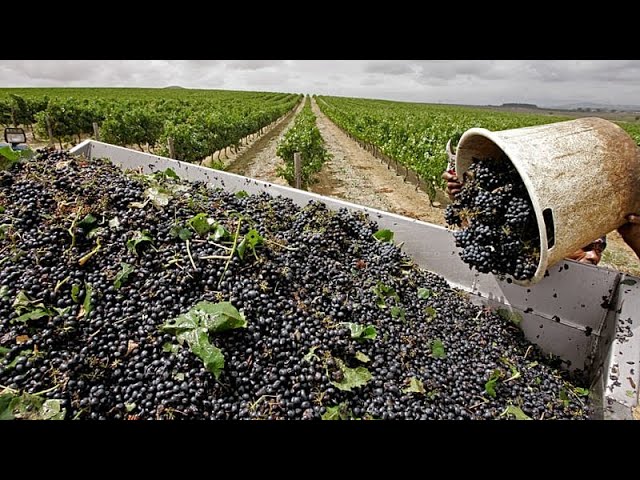
Traditionally, harvesting in cooler coastal areas like Hemel-en-Aarde took place in March or even April. But scientists now warn that by 2035, some vineyards could begin harvesting as early as November, a major shift that would affect labour planning, production cycles, and wine flavour profiles.
Winemaker Jean-Claude Martin says that while the valley benefits from a moderating ocean climate, long-term risks are becoming harder to ignore. He notes that even small temperature increases can significantly affect grape ripening and acidity, which are crucial for premium wines.
At Creation Wines, viticulturists are already adjusting farming practices. Vineyard manager Gerhard Bruwer says recent harvests have come up to 10 days earlier than expected, reflecting broader regional trends.
To adapt, the estate is introducing climate-smart farming methods, including planting cover crops to retain soil moisture, adjusting pruning techniques, and using more precise vineyard monitoring systems to track weather changes in real time.
Agricultural experts from organisations like VINPRO say the future of South African wine production will depend on “precision viticulture” using detailed data on soil, climate, and terrain to make smarter farming decisions and protect long-term vineyard productivity.
Despite the challenges, winemakers in Hemel-en-Aarde remain cautiously optimistic. They say innovation, technology, and careful land management could help sustain production, even as climate pressures continue to rise.
However, they also warn that without sustained adaptation, one of South Africa’s most celebrated wine regions could face significant changes in style, yield, and global competitiveness in the years ahead.