


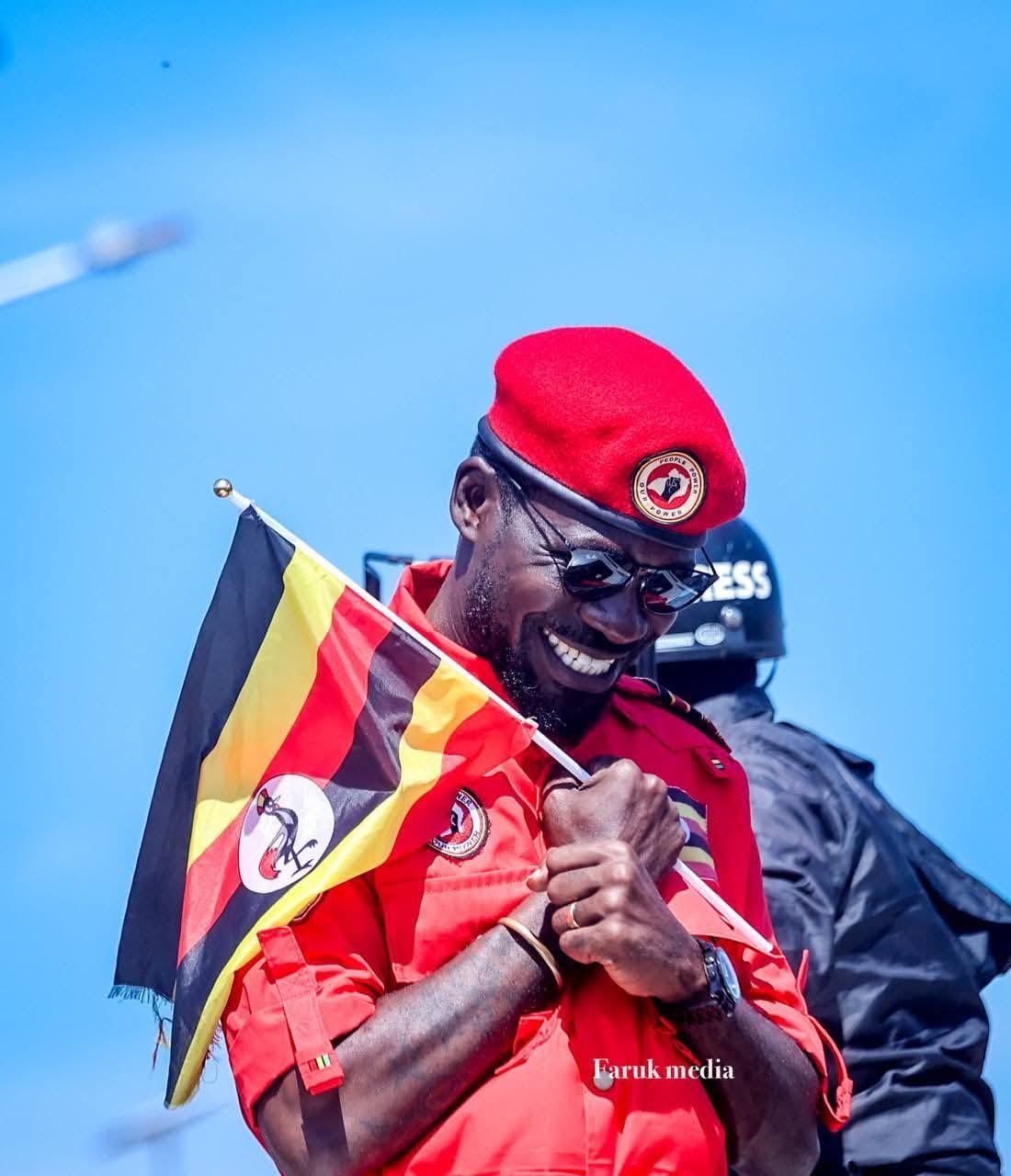
Uganda’s main opposition figure, Robert Kyagulanyi Ssentamu, widely known as Bobi Wine, has gone into hiding following a disputed presidential election that saw longtime President Yoweri Museveni secure a seventh term in office. Wine’s decision to evade security forces comes amid escalating political tensions, contested results, and allegations of force used against his supporters.
The turmoil stems from the January 15, 2026 election, in which Museveni was officially declared the winner with over 70 percent of the vote, extending his more than 40-year rule. Wine, an established opposition leader and former pop star, rejected the results as fraudulent and claimed that violence, intimidation and procedural irregularities undermined the integrity of the polls. African election observers noted instances of repression and an internet shutdown that hindered independent monitoring.
Wine said that a police and military raid on his residence forced him to flee, and since then he has avoided capture, moving between unknown locations while being supported by sympathisers. He insisted he is not a criminal and maintained that participating in a presidential election should not be treated as an offense under Ugandan law.
The situation has been further inflamed by public threats made by senior security officials, notably General Muhoozi Kainerugaba, Uganda’s army chief and President Museveni’s son, who issued ultimatums for Wine to surrender and suggested he could be treated as an outlaw if he fails to comply. These messages have increased fears of heightened repression. Wine’s party, the National Unity Platform (NUP), has reported that numerous supporters have been arrested or charged with election-related offences. The opposition has expressed deep mistrust in the judiciary and declined to pursue legal challenges through the courts, citing a lack of judicial independence.
The broader political context includes enduring concerns about democratic freedoms, contested elections, and the suppression of dissent in Uganda, where peaceful transfers of power have not occurred since independence. Wine’s ongoing hiding highlights the fragile climate confronting opposition movements and the personal risks faced by high-profile challengers in the country’s political landscape.


