


The United Nations High Commissioner for Human Rights, Volker Türk, has called on Tunisia to end what he described as growing repression against civil society groups, journalists, opposition figures, and human rights defenders.
In a statement issued on Thursday, Türk warned that the continued crackdown by Tunisian authorities is shrinking civic space and undermining freedoms guaranteed under both the country’s constitution and international human rights agreements.
The criticism follows recent actions by Tunisian authorities to suspend the local branch of Avocats Sans Frontières for 30 days. The move came only days after similar restrictions were imposed on the Tunisian League for Human Rights, one of the country’s most prominent rights groups.
According to the UN rights office, Tunisian authorities have increasingly relied on judicial sanctions, administrative restrictions, and allegations of financial or audit irregularities to target organizations critical of the government. Rights advocates say such measures are being used to silence dissent and intimidate activists.
The UN also expressed concern over worsening pressure on the media. Tunisian journalist Zied El Heni was recently arrested after publicly criticising court rulings against fellow journalists and members of the judiciary. His lawyer said he was accused of causing harm to others and damaging reputations. He remains in pre-trial detention.
The UN human rights office revealed that at least 28 journalists were arrested last year in Tunisia, with several sentenced to prison terms linked to their professional work. Many of the prosecutions were reportedly carried out under a controversial 2022 cybercrime decree focused on information and communication systems.
Türk urged Tunisian authorities to immediately release all individuals detained for peacefully expressing their opinions and to remove arbitrary restrictions on freedom of expression and association.
He stressed that any limitations on civil liberties must be lawful, necessary, proportionate, and subject to judicial oversight in line with international human rights standards.
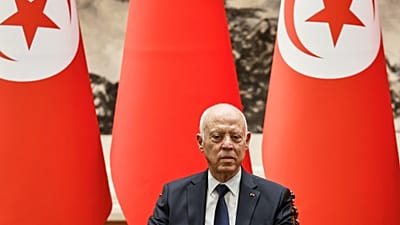
Tunisia, once hailed as the birthplace of the Arab Spring and a model for democratic transition in North Africa, has faced growing criticism in recent years over democratic backsliding under President Kais Saied. Opposition parties and rights groups accuse the government of consolidating power and weakening independent institutions, allegations Tunisian authorities have repeatedly denied.