


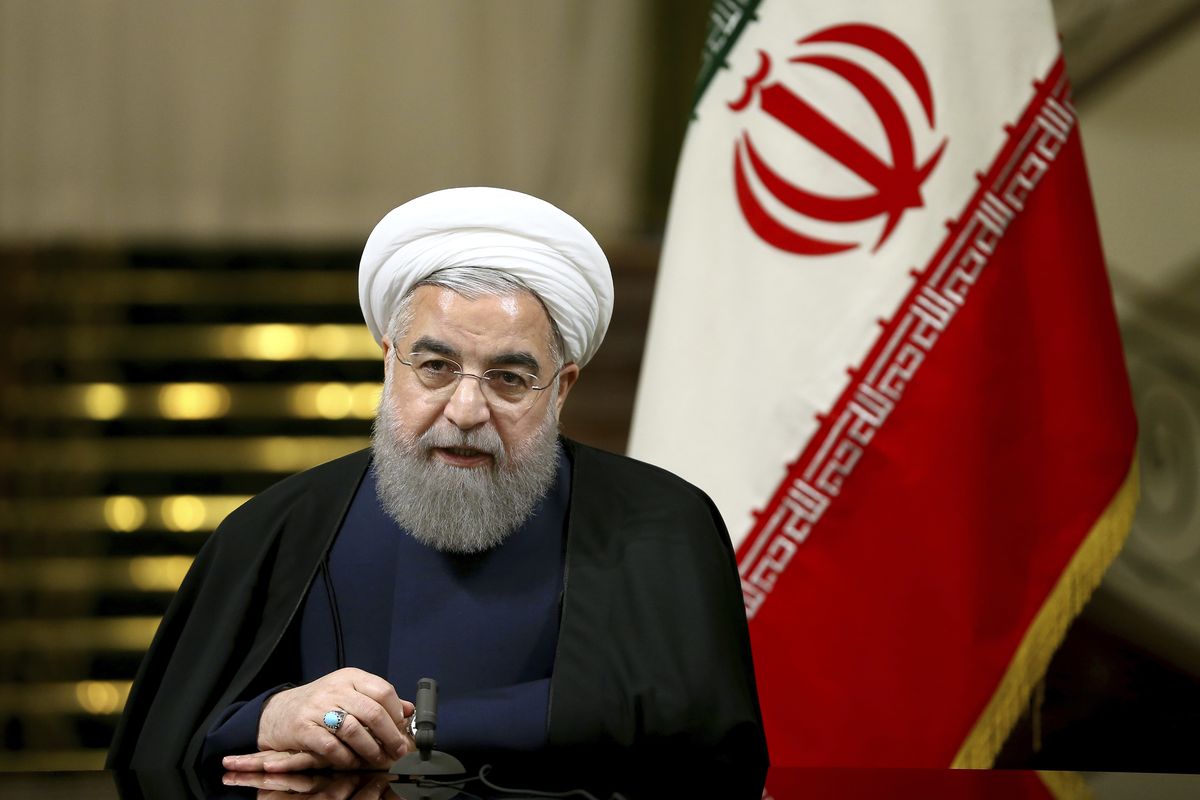
Iran has been gripped by a wave of violent unrest that has resulted in the deaths of at least 48 protesters and one police officer, according to reports emerging on Friday, January 9, 2026. The clashes erupted across several major cities, fueled by deepening economic grievances and growing frustration over social restrictions.
In a televised address, Iran’s Supreme Leader, Ayatollah Ali Khamenei, accused the demonstrators of being manipulated by foreign powers. He specifically alleged that the “rioters” were acting in a way that serves the interests of U.S. President Donald Trump, suggesting that the unrest was being orchestrated from abroad to destabilize the Islamic Republic. The Ayatollah’s rhetoric reflects the ongoing geopolitical tension between Tehran and Washington, particularly following recent shifts in U.S. foreign policy.
Human rights organizations have raised alarms over the scale of the crackdown, noting that security forces have used live ammunition and tear gas to disperse crowds. While the government maintains that it is responding to “acts of terrorism” and “vandalism,” activists describe the movement as a spontaneous outcry against inflation and government overreach. As of Saturday, internet disruptions have been reported in several regions as authorities attempt to control the flow of information and prevent further mobilization


