


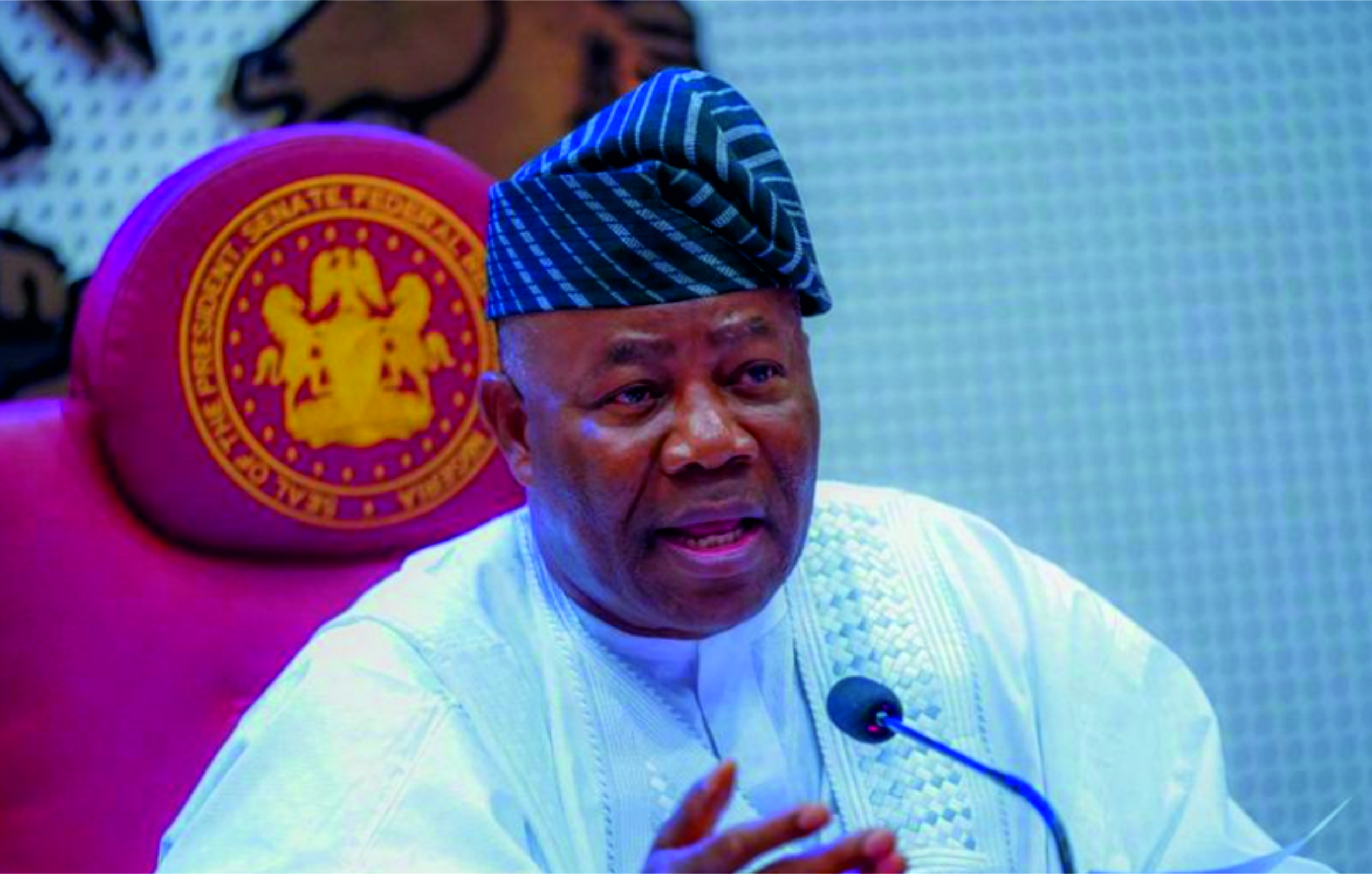
On Tuesday, March 31, 2026, the Senate of the Federal Republic of Nigeria approved the N68.323 trillion 2026 Appropriation Bill, finalising the nation’s budget framework for the 2026 fiscal year after weeks of negotiations, revisions, and legislative scrutiny at the National Assembly complex in Abuja. The final passage by the upper chamber follows the earlier adoption of the same figure by the House of Representatives, marking the conclusion of the legislature’s role in shaping the federal government’s spending plan for the year ending December 31, 2026.
The approved budget represents an increase of approximately N9 trillion above the N58.47 trillion originally presented to the National Assembly by President Bola Ahmed Tinubu on December 19, 2025. Tinubu formally requested the upward review through a letter transmitted to the Senate President, Godswill Akpabio, outlining the need for additional provisions to address funding shortfalls and emerging national priorities.
Presiding over Tuesday’s plenary session, Senate President Akpabio said the expanded budget reflects ongoing efforts to align fiscal policy with developmental objectives, including infrastructure development, healthcare strengthening, judicial support, and preparation for the 2027 general elections. The Senate President’s remarks came after a detailed committee report and intense floor consideration.
The Chairman of the Senate Committee on Appropriations, Senator Olamilekan Adeola Solomon (representing Ogun West), presented the committee’s harmonised report, explaining the rationale for increasing the budget envelope. Adeola stated that the adjustments were necessary to regularise outstanding unfunded capital obligations from the 2025 budget and to incorporate strategic provisions that were omitted from the original proposal. He emphasised that the expanded budget was jointly agreed by both chambers after careful examination of the executive’s requests.
According to figures released by the committee, the N68.323 trillion budget is apportioned with N32.29 trillion for capital expenditure, N15.81 trillion for debt servicing, N15.43 trillion for recurrent (non debt) expenditure, and N4.80 trillion for statutory transfers to constitutional bodies. The allocations are intended to support a range of national programmes and institutional obligations.
During proceedings, lawmakers underscored the importance of addressing legacy commitments from previous fiscal years to prevent disruption in key public projects. Adeola highlighted that a significant portion of the additional provisions was earmarked for legacy capital projects that were unable to be completed within the 2025 budget implementation window.
Members of the Senate also debated the broader implications of the budget size, including fiscal sustainability and the government’s borrowing plans. In related action on the same day, the Senate, through a separate committee report by Senator Aliyu Wamakko, approved President Tinubu’s request to secure $6 billion in external financing to support budget implementation, refinance existing domestic and external debt, and fund priority infrastructure projects.
Among Senate leaders present in the chamber were Deputy President of the Senate Barau Jibrin, Leader of the Senate Opeyemi Bamidele, Deputy Leader Oyelola Ashiru, Deputy Whip Peter Onyekachi Nwaebonyi, and other committee chairmen including Diket Plang, Nasiru Daura, Abdulaziz Yaradua, and Jimoh Ibrahim, reflecting cross party engagement in the legislative process.
The passage of the budget followed parallel approval by the House of Representatives, where the House Committee on Appropriations, chaired by Hon. Abubakar Kabir Bichi, presented its report outlining adjustments and sectoral allocations prior to adoption. The House also agreed to extend the implementation deadline for portions of the 2025 capital budget to June 30, 2026, to ensure continuity of ongoing projects.
Supporters of the final approved budget argue that the expanded spending envelope adequately reflects Nigeria’s developmental priorities and responds to economic realities, including infrastructure deficits and election related institutional needs. However, critics have raised concerns about the wider fiscal implications of the larger budget figure and increased borrowing, underscoring the need for disciplined expenditure management and transparent implementation.
With the legislative phase complete, the Appropriation Bill will now be transmitted to President Tinubu for assent, after which ministries, departments, and agencies will begin detailed execution of funded programmes under the 2026 fiscal framework.