


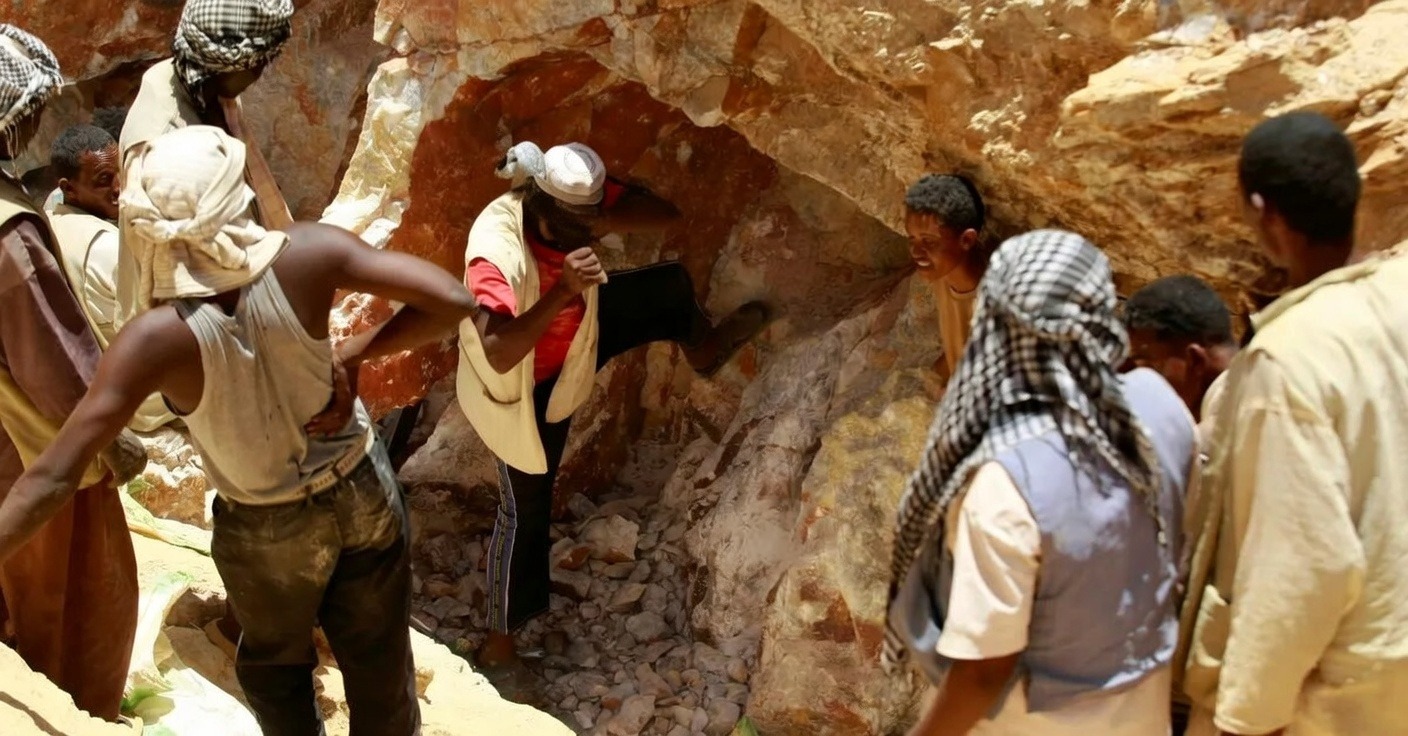
At least 13 people have died and six others were injured following the collapse of unstable mine shafts at a gold site in South Kordofan State, Sudan, highlighting ongoing safety challenges in artisanal and small‑scale mining amid broader regional pressures on the industry.
The incident occurred at an abandoned gold mine near Umm Fakroun, where local miners had reportedly been extracting gold despite warnings that the shafts were unsafe and officially closed by authorities. Officials said the collapse trapped workers who were operating in restricted and structurally compromised tunnels when the earth gave way.
Rescue teams and community volunteers worked for hours to retrieve bodies and evacuate the injured, some of whom sustained fractures and severe trauma. Those hurt in the collapse were taken to nearby health facilities for emergency treatment, while relatives and neighbours gathered at the site in shock and mourning.
The Sudanese Mineral Resources Company (SMRC) confirmed the toll and said preliminary assessments indicate the victims were operating in five interconnected abandoned shafts, all classified as unsafe for mining due to the risk of cave‑ins. SMRC officials reiterated that the closure notices were issued precisely because the structures could not support continued activity.
South Sudan’s mining sector has seen a surge in informal gold mining over the past decade, driven by economic necessity and fluctuating global gold prices. While large‑scale mining projects are regulated under government licences and oversight, artisanal miners often operate with minimal safety equipment or technical supervision, significantly increasing the risk of accidents.
Production figures from recent years show that Sudan’s gold output reached one of its highest levels in 2025, with much of the material reportedly moving through informal channels across borders into neighbouring markets. However, the rapid increase in artisanal activity has outpaced efforts to enforce safety standards and formalise operations.
Local authorities and community leaders have vowed to enhance awareness campaigns about mining hazards and to intensify enforcement of closure orders at unsafe sites. At the same time, displaced miners and their families are calling for greater economic support and regulated opportunities that can reduce reliance on risky informal work.
The tragedy underscores persistent safety and regulatory gaps in small‑scale mining, a sector crucial to local livelihoods across parts of East Africa yet fraught with hazards that routinely claim lives.


