


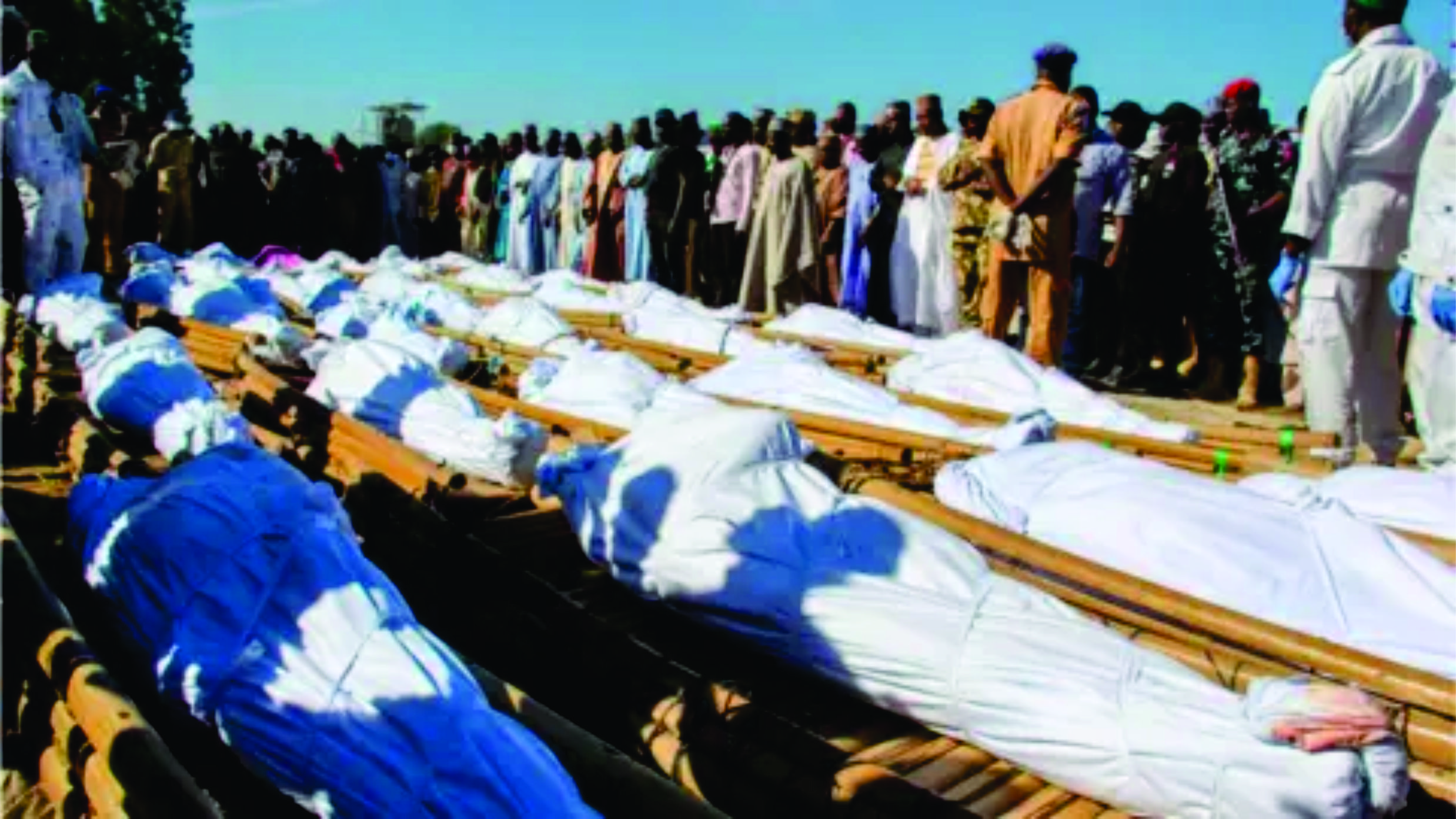
Nigeria is facing renewed national outrage and grief following a series of coordinated attacks across northern regions during Easter celebrations, leaving at least 26 people dead and many others injured. The incidents, which occurred between April 4 and April 6, 2026, have once again exposed deep security challenges and intensified public scrutiny of the government’s response to persistent violence.
The deadliest attack took place in the Mbalom community of Gwer East Local Government Area in Benue State, where armed men stormed the area late on Easter Sunday, killing at least 17 civilians, including women and children. Survivors described the нападение as sudden and brutal, with attackers reportedly arriving on motorcycles and opening fire indiscriminately before setting homes ablaze. Local leaders in the area have linked the violence to ongoing farmer–herder tensions that have plagued the region for years.
In northeastern Borno State, security forces clashed with suspected Islamist militants believed to be affiliated with Boko Haram and the Islamic State West Africa Province (ISWAP). According to military sources, several police officers were killed during a gun battle in a rural district near Maiduguri. The confrontation underscores the continued threat posed by insurgent groups despite years of counterterrorism operations in the region.
Meanwhile, in Kaduna State, another tragic incident unfolded when armed attackers targeted a church during a worship service, killing several congregants and injuring others. Eyewitnesses reported scenes of panic as worshippers attempted to flee the attack, raising fresh concerns about the vulnerability of religious gatherings in high-risk areas.
President Bola Ahmed Tinubu condemned the attacks, describing them as “heinous acts of violence against innocent Nigerians,” and assured citizens that security agencies have been directed to intensify operations to track down those responsible. “We will not relent in our duty to protect lives and property. Those behind these attacks will face the full force of the law,” the president stated.
The Nigerian Army and other security agencies have announced increased patrols and targeted operations across affected regions. Defence Headquarters spokesperson Major General Edward Buba confirmed that reinforcements have been deployed to volatile communities, while intelligence operations are being expanded to prevent further attacks.
However, the incidents have reignited widespread criticism of the federal government’s handling of insecurity. Opposition figures and civil society organizations argue that despite repeated military offensives and security reforms, rural communities remain highly exposed to attacks by bandits, insurgents, and armed groups. Critics also point to inadequate intelligence gathering, delayed response times, and limited protection for vulnerable populations as persistent weaknesses in Nigeria’s security architecture.
Security analysts note that the violence reflects a complex mix of challenges, including longstanding farmer–herder conflicts in the Middle Belt, jihadist insurgency in the northeast, and widespread banditry across northwestern states. According to analyst Kabiru Adamu, “These attacks demonstrate the multi-dimensional nature of Nigeria’s security crisis. Addressing it requires not only military action but also political, economic, and social interventions.”
Humanitarian organizations have raised alarm over the impact on civilians, particularly as many communities continue to experience displacement, loss of livelihoods, and limited access to basic services. The Nigerian Red Cross Society reported that emergency response teams have been deployed to provide medical assistance and relief materials to affected families.
Religious leaders have also called for calm and unity, urging communities to avoid retaliatory violence that could further escalate tensions. The Christian Association of Nigeria and the Nigerian Supreme Council for Islamic Affairs both issued statements condemning the attacks and calling for stronger collaboration between communities and security agencies.
As investigations continue, the attacks have intensified national debate over Nigeria’s security strategy. Many citizens are demanding a shift from reactive military deployments to proactive intelligence-led policing, improved community engagement, and long-term conflict resolution mechanisms. Others have called for greater accountability and transparency in how security resources are allocated and utilized.
The Easter attacks serve as a stark reminder of the persistent insecurity affecting parts of Nigeria and the urgent need for comprehensive solutions. With public pressure mounting and communities demanding protection, the government faces a critical test in restoring confidence, ensuring justice for victims, and preventing further violence in the months ahead.