


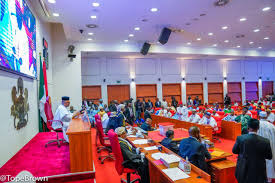
Abuja, Nigeria — In a major push to tighten Nigeria’s democratic processes ahead of the 2027 general elections, the Senate of Nigeria on Wednesday passed the second reading of a bill aimed at repealing the Electoral Act 2022 and enacting a new Electoral Bill 2025. The legislation is designed to bolster the independence of the Independent National Electoral Commission (INEC), introduce mandatory electronic transmission of results and strengthen accountability mechanisms across the electoral process.
Sponsored by Simon Lalong, Chairman of the Senate Committee on Electoral Matters, the bill was referred to the committee for further scrutiny and public hearings with a two-week reporting deadline. During plenary debate, senators highlighted persistent weaknesses such as late releases of election funds, disputes over voter registers, and inconsistent result transmission practices. Senator Seriake Dickson argued forcefully for shifting the burden of proof in election petitions from candidates to INEC, a proposal reflecting a deeper structural shift in jurisprudence.
Key proposed reforms include mandating that results from polling units be electronically transmitted and publicly accessible, standardising timelines for party primaries and candidate nominations, tightening penalties for electoral offences, and insulating the electoral commission from undue external influence. While senators broadly supported the aim of restoring public trust in elections, some raised concerns over the haste of the process and called for broader stakeholder consultation. The bill now moves into the committee stage where further hearings will shape the final text before third reading and submission to the President for assent.