


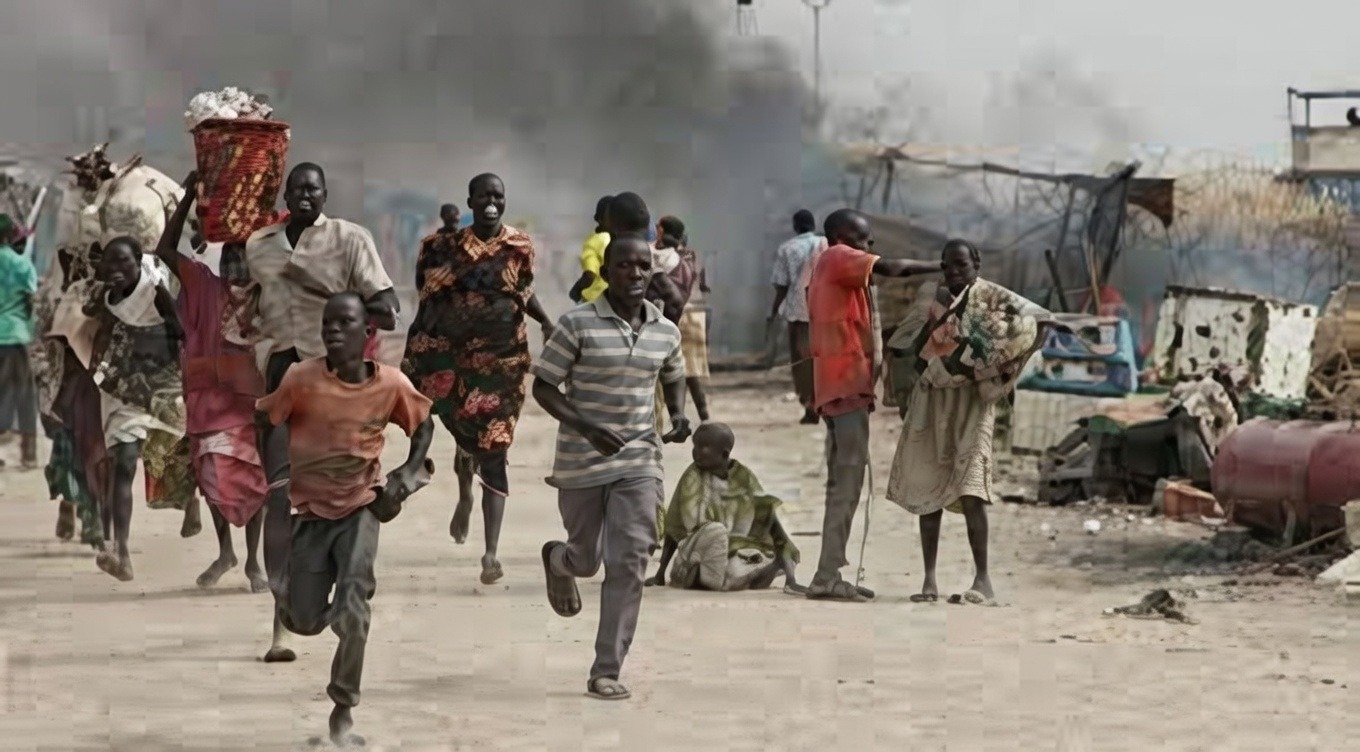
The Government of South Sudan has maintained that the country is not at war, despite heavy clashes with rebel forces that have displaced more than 180,000 people, particularly in Jonglei State, north of the capital Juba.
The renewed fighting erupted in late December and pits government troops loyal to President Salva Kiir against fighters aligned with long-time rival and former First Vice President Riek Machar. While the government describes its operations as a lawful mission to halt rebel advances and restore public order, international observers including the United Nations Mission in South Sudan (UN-MISS) have warned that the clashes risk a widespread humanitarian crisis and a possible return to full-scale conflict.
The current unrest reflects a deteriorating peace process established by the 2018 Revitalised Agreement on the Resolution of Conflict in the Republic of South Sudan (R-ARCSS). Although that agreement created a unity government intended to end years of civil war, tensions have escalated amid disputes over power-sharing, political marginalisation and military integration.
The government has urged opposition forces to halt hostilities and stressed that the peace deal has not collapsed, while also warning that renewed fighting undermines stability. However, the scale of the recent clashes described by United Nations sources as the most intense since before the 2018 agreement was signed has raised concerns about civilian safety, the displacement crisis, and disruption of basic services.
Humanitarian agencies have reported that many displaced persons are located in makeshift camps and seek urgent assistance, although ongoing insecurity has hampered relief access. The United Nations and regional partners continue to call for the cessation of hostilities and recommitment to negotiated peace.