


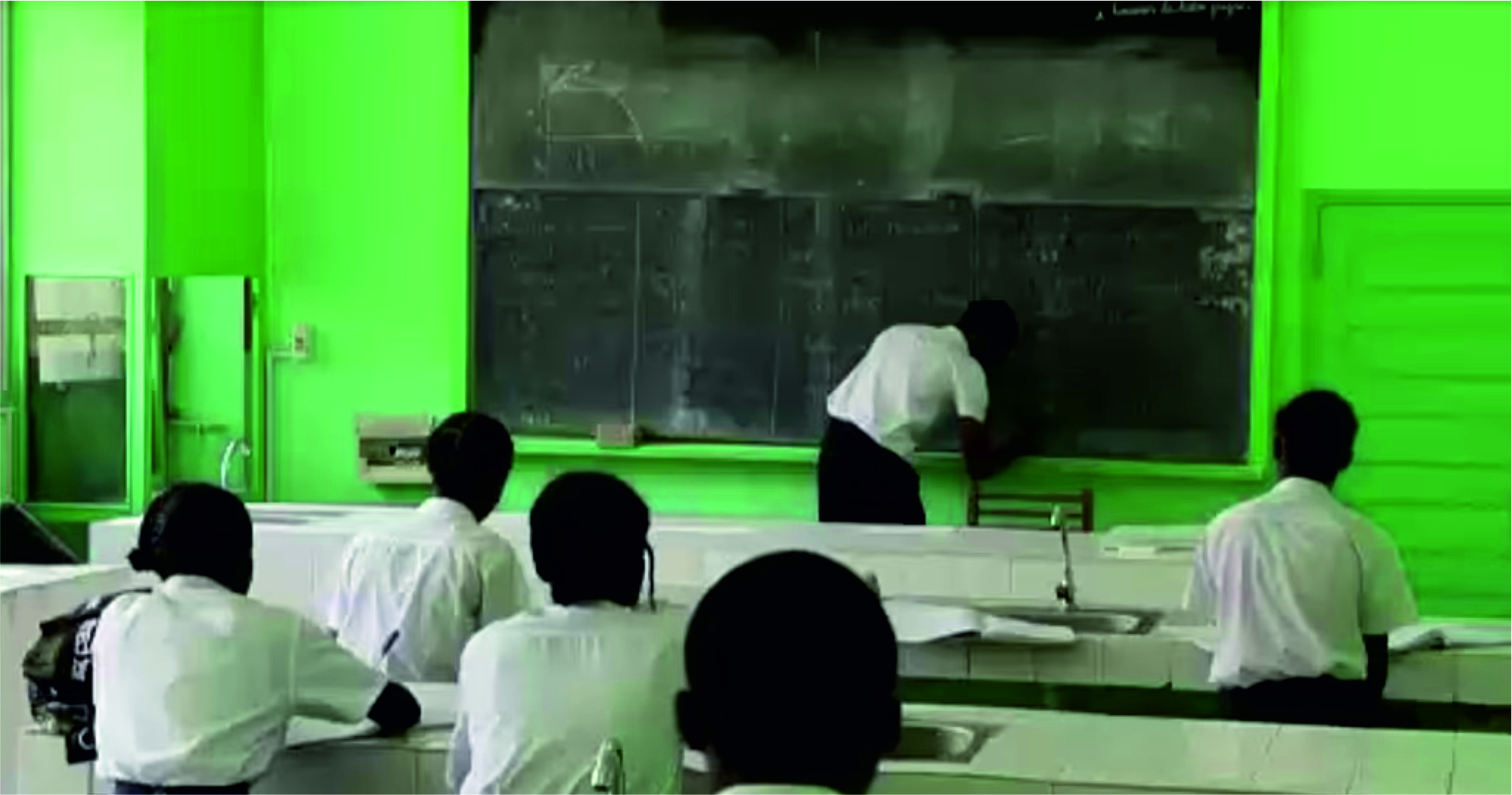
A prolonged teachers’ strike in Gabon has brought the country’s education system to a standstill, with thousands of educators staying away from classrooms for more than six weeks amid unresolved demands.
The action, driven primarily by a decade-long freeze on wages, has disrupted schooling across primary and secondary levels and marks one of the first major waves of social unrest under President Brice Oligui Nguema, who came to power following a military coup in August 2023 and was later elected with a large majority.
Teachers, organised under groups such as the National Union of Teachers (SENA), the National Union of Technical and Vocational Teachers, and the civil society coalition SOS Education, are demanding improved working conditions, formalisation of unresolved administrative situations, and the release of two union members imprisoned for supporting the strike. Pre-conditions tied to resuming classes have so far stalled progress in negotiations
Despite the government’s efforts including launching a fast-track review to clear salary arrears and backlog of administrative status issues, teachers remain united in their demand for comprehensive reform. Gabon’s education ministry has doubled the sector budget for 2026 compared with the previous year, yet this has not been sufficient to satisfy union demands or end the strike.
The strike has highlighted broader frustrations among public sector workers over long-standing wage stagnation and conditions, and poses a serious challenge for the new administration that had promised improvements after assuming power. Analysts say that if unresolved, the prolonged educational disruption could have lasting effects on student learning outcomes and confidence in Gabon’s public institutions.


