


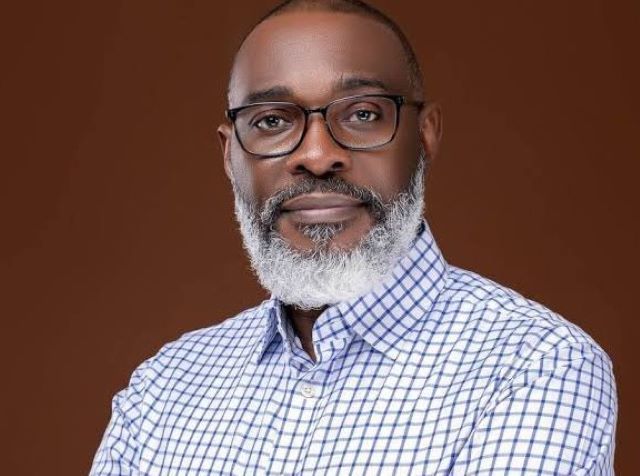
Maj.-Gen. Adeyinka Fadewa (rtd.)
President Bola Ahmed Tinubu has appointed retired Major General Adeyinka Fadewa as Special Adviser on Homeland Security in a move aimed at strengthening Nigeria’s internal security framework and improving coordination among intelligence agencies.
The appointment was officially confirmed in a circular signed by the Secretary to the Government of the Federation, George Akume, and transmitted through the Office of the Permanent Secretary, General Services Office.
According to the Presidency, the appointment reflects the administration’s commitment to addressing Nigeria’s growing security challenges through stronger intelligence sharing, strategic coordination, and more effective homeland security operations. President Tinubu said the decision was based on Fadewa’s extensive military and intelligence background, as well as his long-standing contributions to national security planning.
Fadewa retired after more than three decades of service in the Nigerian military, where he played key roles in intelligence coordination, counter-terrorism operations, defence strategy, and international security cooperation. Security analysts describe him as one of the experienced military officers involved in modernising intelligence collaboration within Nigeria’s security architecture.
One of his most notable assignments was serving as Principal General Staff Officer to the Office of the National Security Adviser between 2015 and 2021. During that period, he coordinated the establishment of the Intelligence Fusion Centre, a platform designed to improve cooperation among major security agencies including the Defence Intelligence Agency, National Intelligence Agency, Department of State Services, the Nigeria Police Force, and the Armed Forces.
The centre was created to strengthen intelligence sharing and provide faster responses to emerging security threats such as terrorism, banditry, kidnapping, cybercrime, and transnational organised crime.
President Tinubu emphasised that intelligence-led operations and inter-agency collaboration remain critical in tackling insecurity across Nigeria. He expressed confidence that Fadewa’s experience and strategic expertise would help strengthen homeland security coordination nationwide and support the effective implementation of the administration’s Renewed Hope Agenda.
The appointment comes at a time when Nigeria continues to face multiple security challenges across different regions, including insurgency in the North-East, banditry and kidnappings in the North-West, communal violence in parts of the Middle Belt, and growing concerns over cyber and economic crimes.
Political observers say the creation and strengthening of homeland security structures indicate the government’s increasing focus on intelligence-driven security management rather than relying solely on military operations.

