


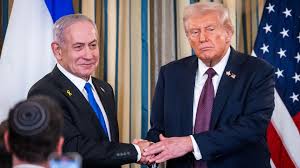
Former U.S. President Donald Trump arrived in Israel in a high-profile visit aimed at supporting and helping shepherd an international initiative to secure a ceasefire and the release of hostages in Gaza. The trip — timed to coincide with intense diplomatic activity around a phased ceasefire deal — underscored the prominent role U.S. actors continue to play in Middle East diplomacy and drew both praise and criticism from regional capitals.
During his arrival, Mr. Trump met senior Israeli officials to discuss the details of the proposed phased ceasefire, humanitarian corridors, and mechanisms for hostage release and prisoner exchanges. Israeli authorities welcomed the engagement, framing it as a boost to momentum toward a formal agreement that would halt major combat operations and allow expanded aid into Gaza. The visit included high-level briefings on operational logistics and diplomatic sequencing for a multi-stage plan that would tie security guarantees to humanitarian access.
Internationally, reactions were mixed: some partners said outside involvement could catalyse a breakthrough and protect civilians, while others cautioned against overreliance on unilateral initiatives and urged adherence to established multilateral frameworks. Humanitarian organisations stressed that any truce must prioritise sustained aid delivery and unfettered medical access for the civilian population in Gaza.


