


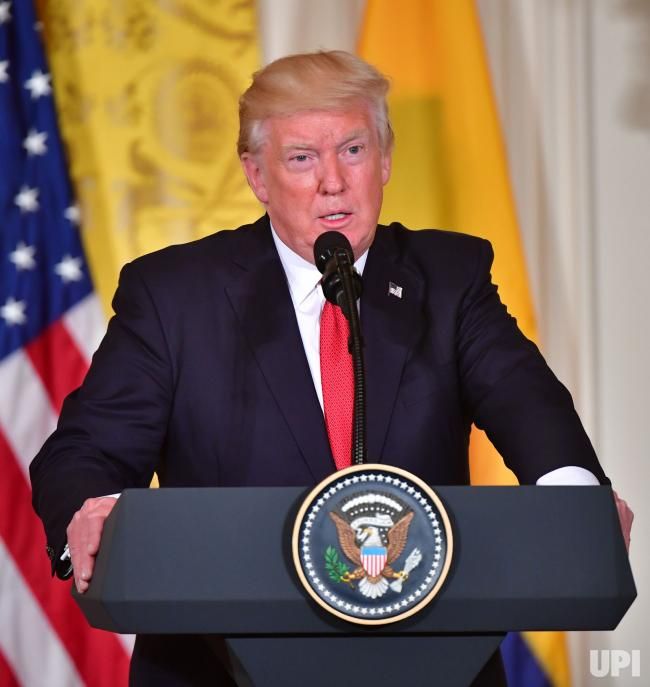
United States President Donald Trump used a high-profile address at the World Economic Forum in Davos to call for immediate negotiations with Denmark and NATO allies over the possibility of the United States acquiring Greenland, a vast, semi-autonomous Arctic territory. The proposal renewed diplomatic tensions between Washington and European capitals on strategic Arctic governance.
Trump reiterated his interest in Greenland’s strategic value and security implications, arguing that only the United States is capable of securing the territory effectively. He framed the demand as a negotiation rather than a threat, emphasising that Washington would pursue formal talks on acquiring ownership and title of the island through diplomatic channels.
Importantly, the U.S. president stated that he would not use military force to achieve this objective, addressing widespread speculation over potential coercive measures. This was a noticeable shift from earlier rhetoric that had hinted at stronger approaches, though Trump stressed that negotiations must begin immediately if the U.S. is to advance its interests in the region.
Trump’s stance highlighted the Arctic’s increasing prominence in global geopolitics, where issues of defence, climate, natural resources and great-power competition intersect. Denmark maintains sovereignty over Greenland and has consistently resisted any suggestion that the territory could be transferred to another nation.
European leaders have expressed mixed reactions, welcoming the avoidance of force but reiterating that Greenland’s status should be resolved through mutual agreement and respect for sovereignty. The call for immediate negotiations sets the stage for potential diplomatic talks involving the U.S., Denmark, NATO representatives and other stakeholders.


