


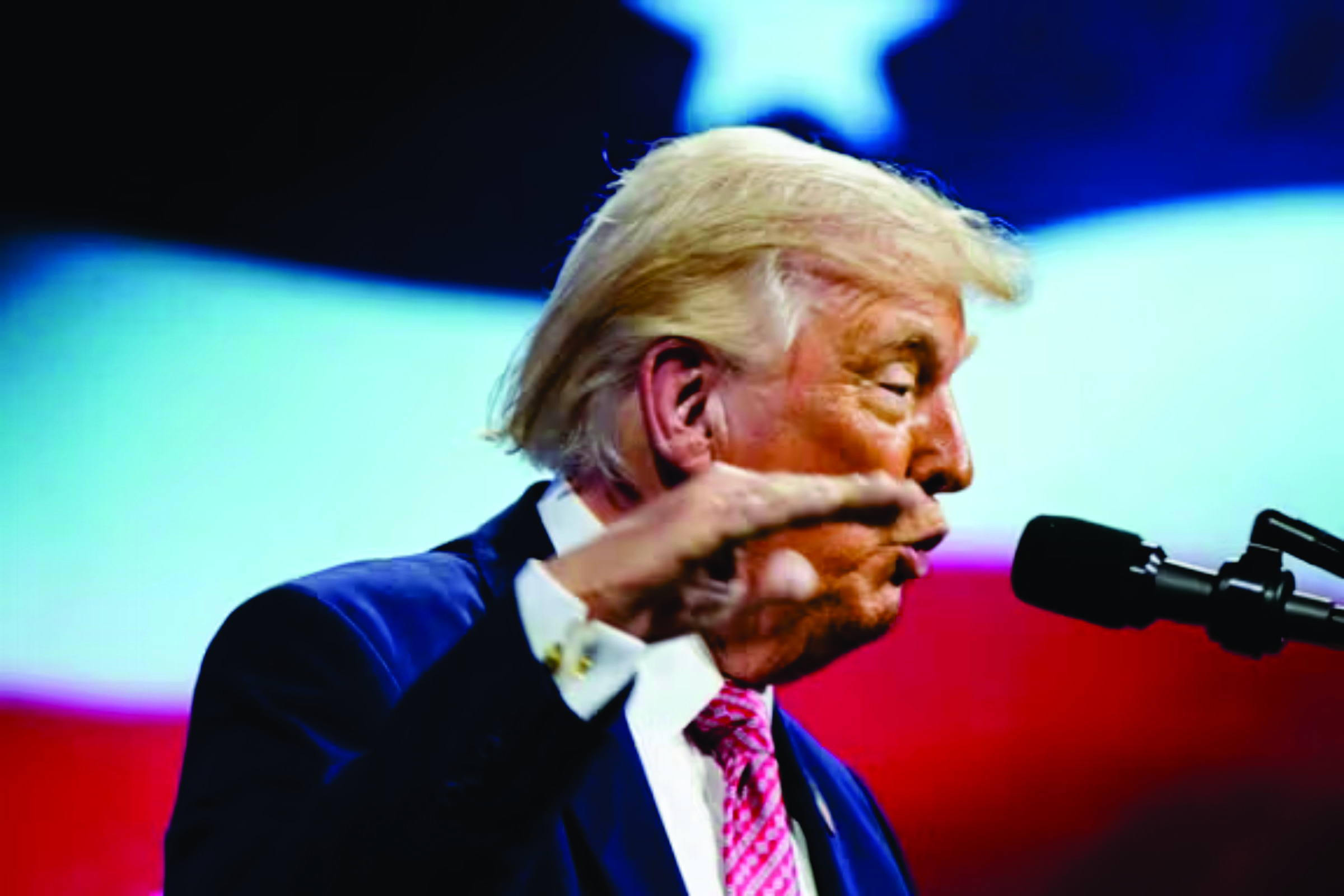
A major international controversy has erupted following a series of public statements and social media posts by U.S. President Donald Trump, in which he threatened potential military strikes on critical infrastructure in Iran. The remarks, made between April 5 and April 7, 2026, have drawn widespread condemnation from legal experts, political leaders, and human rights organizations, who argue that such rhetoric may constitute an open endorsement of actions prohibited under international law.
At the center of the controversy are Trump’s warnings that the United States could target Iranian power plants, bridges, and transport systems if Tehran fails to comply with demands related to regional security and the reopening of the Strait of Hormuz. These statements have triggered alarm among international observers, particularly regarding the implications for civilian populations and the established rules of armed conflict.
Legal scholars and humanitarian experts have pointed to the Geneva Conventions, which explicitly prohibit deliberate attacks on civilian infrastructure and non-combatants during wartime. According to multiple analysts, the direct targeting of such facilities—unless they are being used for clear military purposes—could be interpreted as a violation of international humanitarian law and potentially classified as war crimes.
Within the United States, Trump’s remarks have sparked intense political debate. Several lawmakers from both major parties have raised concerns over the implications of the statements, warning that such rhetoric risks escalating an already volatile situation. Members of Congress have reportedly called for classified briefings to assess the administration’s military posture and to clarify whether the threats reflect official policy or strategic messaging.
Prominent policy analysts have also weighed in, cautioning that public threats of this nature could undermine diplomatic efforts and reduce the likelihood of de-escalation. Some have argued that the rhetoric may embolden hardline factions within Iran, strengthening their resistance to negotiations and increasing the risk of retaliatory action.
International reaction has been equally critical. Officials in Iran condemned the statements as “reckless and provocative,” with Iran’s Supreme Leader Ali Khamenei warning that any attempt to strike civilian infrastructure would be met with “firm and proportionate retaliation.” Iranian President Ebrahim Raisi echoed this stance, describing the remarks as evidence of “hostile intent” and accusing Washington of deliberately inflaming tensions.
The controversy has further complicated an already fragile diplomatic environment. Ongoing backchannel efforts by European and regional mediators to reduce tensions have reportedly been strained, as Iranian negotiators adopt a more rigid position in response to perceived threats. Analysts suggest that the erosion of trust between the parties could delay or derail potential ceasefire discussions.
Human rights organizations, including the Amnesty International and the Human Rights Watch, have issued statements expressing deep concern over the implications of the rhetoric. Both organizations emphasized that normalization of threats against civilian infrastructure risks weakening global adherence to humanitarian norms and could set a dangerous precedent for future conflicts.
The United Nations has also responded, with Secretary-General António Guterres urging restraint and calling on all parties to respect international law. In a briefing on April 7, Guterres highlighted the importance of avoiding actions or statements that could escalate hostilities or endanger civilian lives, stressing that “the language of war must not replace the pursuit of peace.”
Beyond immediate diplomatic tensions, the controversy is contributing to broader concerns about the global perception of U.S. leadership. Several long-standing allies have reportedly expressed unease over Washington’s approach to the crisis, questioning whether the current strategy aligns with established international norms and cooperative security frameworks.
In European capitals, officials have raised concerns about the potential long-term impact on transatlantic relations, particularly if unilateral military action were to proceed without broad international support. Some analysts warn that continued escalation in rhetoric could weaken alliances and complicate coordinated responses to global security challenges.
Economically, the situation is also having ripple effects. The heightened tensions, amplified by inflammatory statements, have contributed to volatility in global markets, particularly in the energy sector. Investors remain cautious as uncertainty surrounding the conflict grows, with fears that further escalation could disrupt key supply chains and impact global economic stability.
As the situation continues to evolve, the controversy surrounding Trump’s statements underscores the delicate balance between military deterrence and diplomatic engagement. With tensions already at a critical level, the role of political rhetoric in shaping the trajectory of the crisis has come under intense scrutiny.
Observers warn that, in such a volatile environment, words alone can carry significant consequences—capable of either opening pathways to dialogue or accelerating the descent into wider conflict.