


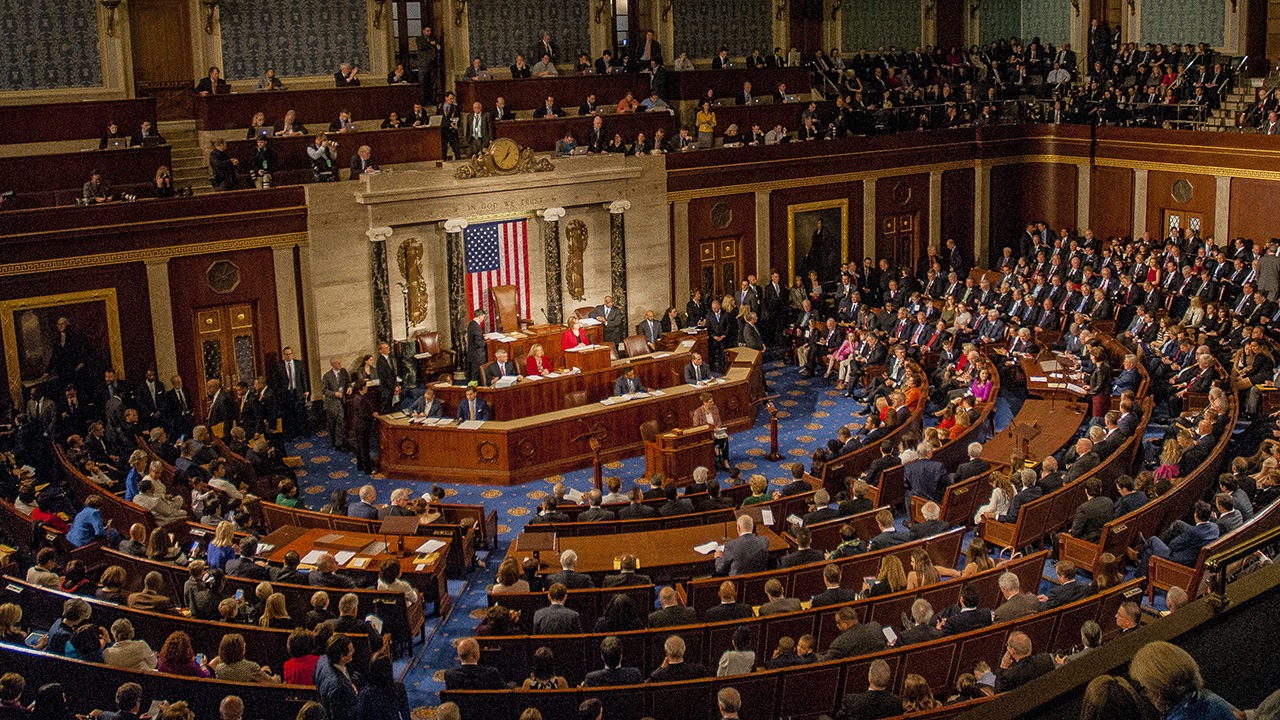
A U.S. congressional committee held a high-profile hearing focusing on Nigeria’s human rights and security situation, highlighting widespread violence, insurgency, and civil unrest across the country. The session, convened by the House Foreign Affairs Subcommittee on Africa, Global Health, and International Organizations, underscored growing international scrutiny of Nigeria’s governance and security practices.
The hearing held on February 2, 2026, featured testimony from human rights advocates, academics, journalists, and representatives from international organizations such as Human Rights Watch, Amnesty International, and the United Nations Office of the High Commissioner for Refugees. Witnesses presented accounts of alleged violations by Nigerian security forces, including excessive use of force in operations against armed groups, extrajudicial killings, and intimidation of journalists and activists. They also described attacks on civilians by extremist groups, including Boko Haram and the Islamic State West Africa Province, as well as on-going communal and ethnic-based violence affecting northern and south-eastern Nigeria.
Key witnesses included Dr. Chidi Odinkalu, a Nigerian human rights lawyer and former chairman of the National Human Rights Commission; Aisha Yesufu, a civil society activist; and John Godson, senior analyst at the Africa Center for Strategic Studies. They highlighted the persistent threats to civilian safety and the challenges these pose to Nigeria’s democratic institutions.
Lawmakers expressed concern over the scale and persistence of the reported violations. Committee chair Representative Gregory Meeks emphasized that Nigeria’s human rights record has direct implications for U.S. aid, security cooperation, and diplomatic engagement. Members of Congress discussed potential reforms, including stronger accountability mechanisms within the military and police, improved civilian oversight, and initiatives to address the root causes of insurgency and communal violence through economic development and inclusive governance.
The hearing also examined the broader security context in Nigeria. Experts highlighted multidimensional crises, including insurgency in the northeast, armed banditry and kidnappings in the northwest, separatist agitation in the south-east, and inter-communal clashes elsewhere. Witnesses stressed that sustainable solutions require a combination of security operations, judicial reform, human rights protections, and socioeconomic interventions to tackle poverty, unemployment, and marginalization.
U.S. lawmakers discussed ways American foreign policy and aid programs can support Nigeria’s reform agenda while encouraging respect for human rights. Topics included U.S. assistance for training and equipping Nigerian security forces, funding civil society initiatives, and promoting transparency in governance. Some members advocated for conditionality in aid programs to ensure that U.S. resources are not used to support abusive practices.
Analysts note that Nigeria’s position as Africa’s most populous country and largest economy amplifies the international significance of its domestic policies. Decisions by Washington regarding security partnerships, development funding, and diplomatic engagement are likely to be influenced by findings from the hearing.
While Nigerian authorities have yet to issue a formal response, observers suggest that Abuja may engage diplomatically to present its perspective, highlight on-going reforms, and reaffirm its commitment to human rights and the rule of law. Nigerian officials have previously acknowledged the challenges posed by insurgency and criminality, noting efforts to strengthen security and accountability while balancing civil liberties.


