


Zambia has eased its temporary ban on sulphuric acid exports to the Democratic Republic of Congo after domestic supply levels recovered, allowing selected mining firms to resume shipments.
The country’s Commerce, Trade and Industry Minister, Chipoka Mulenga, confirmed that two major copper producers Chambishi Copper Smelter and Mopani Copper Mines have been authorised to restart limited exports to Congo. He said the decision followed improvements in local stock availability, which had previously been under pressure.
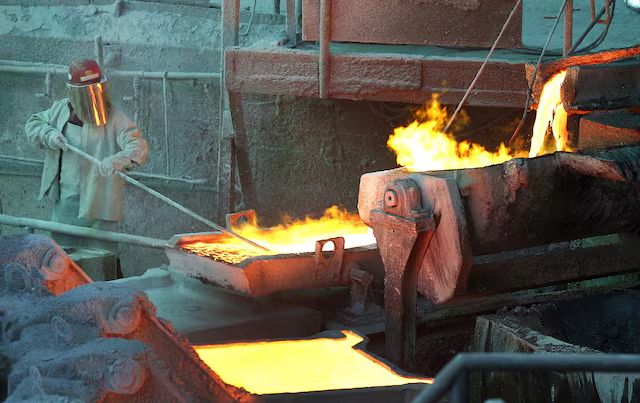
Zambia, Africa’s second-largest copper producer, generates around two million tonnes of sulphuric acid annually as a byproduct of smelting operations. The chemical is crucial in the Copperbelt region, where it is used to process copper and cobalt ores, key minerals in global demand for electric vehicle batteries and the broader energy transition.
The export restrictions were first introduced in September, followed by a permit-based system in March, after concerns over low domestic supply and global disruptions that tightened availability of key industrial chemicals.
During the restriction period, mining operations in neighbouring Congo, the world’s largest cobalt producer and a major copper supplier, were forced to reduce usage of sulphuric acid, with some companies considering production cuts due to shortages.
Minister Mulenga said the current approvals would allow only limited export volumes, ensuring that Zambia’s domestic mining and processing needs remain fully protected.
He added that the government could expand export permissions further if supply conditions continue to improve and local demand remains stable.
Reports indicate that the Ministry has also approved a separate shipment of 5,000 metric tonnes of sulphuric acid by trading firm Alliswell Investment Limited, though official export volumes remain tightly controlled.
Industry sources say Mopani Copper Mines has yet to receive final export documentation, while affected companies have declined to publicly comment on the latest approvals.
Meanwhile, data from commodities logistics firm Access World shows that Congo’s imports of industrial processing chemicals dropped significantly in the first quarter of the year, reflecting the impact of Zambia’s earlier export restrictions.
Analysts say the easing of the ban could help stabilise supply chains in the Copperbelt region, where both countries play a central role in global copper and cobalt production essential for clean energy technologies.
The latest policy shift highlights the delicate balance Zambia is managing between supporting domestic industry needs and maintaining regional trade flows critical to the mining sector.