


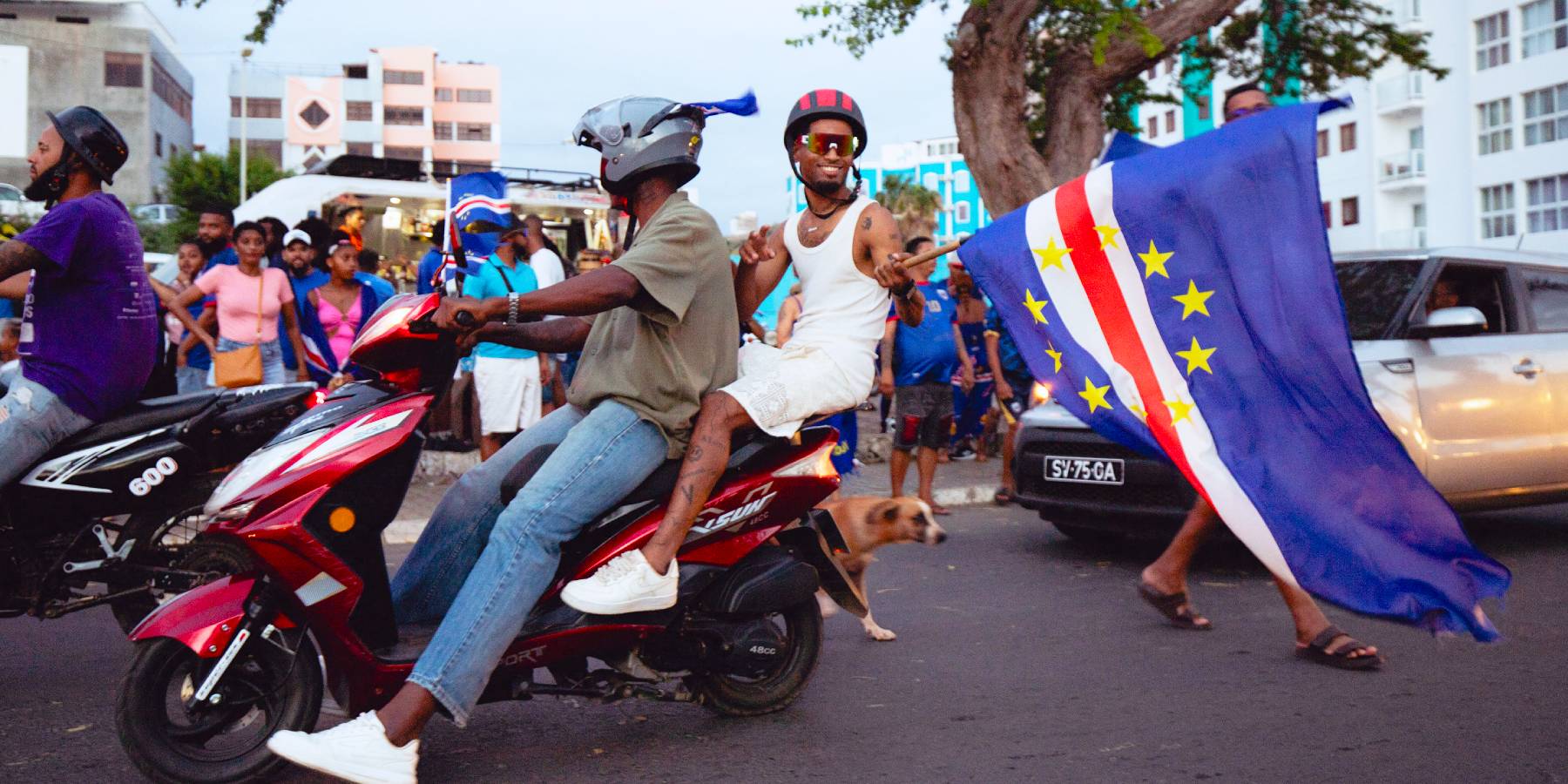
Voters across Cape Verde have gone to the polls in closely watched parliamentary elections that could shape the political future of one of Africa’s most stable democracies.
The election features five political parties competing for the 72 seats in the National Assembly, with Prime Minister Ulisses Correia e Silva seeking a rare third term in office under the ruling Movement for Democracy party, known as MpD.
Silva’s administration, which has governed since 2016, faces a strong challenge from the opposition African Party for the Independence of Cape Verde, or PAICV, led by Praia mayor Francisco Carvalho.
At polling stations in the capital Praia and the city of Mindelo, many citizens expressed concern about the country’s economic difficulties and transportation challenges. Voters said they want a government capable of improving inter-island transport services, creating jobs and strengthening public accountability.
Some voters also called for greater balance within parliament, arguing that stronger opposition representation is necessary to improve governance and prevent excessive concentration of political power.
Under Cape Verde’s parliamentary system, the party that wins the majority of seats forms the government and appoints the prime minister. More than 470,000 registered voters were expected to participate in the single-round election, with preliminary results anticipated shortly after polls close.
Cape Verde, an Atlantic island nation located about 600 kilometres off the coast of Senegal, has long been regarded as a model of democratic stability in Africa. Since adopting multiparty democracy in 1991, the country has experienced peaceful transfers of power and relatively stable institutions compared to many nations in the region.
However, despite its political stability, the country continues to face serious social and economic pressures. Rising living costs, youth unemployment and heavy dependence on tourism and maritime transport remain major concerns for many households.
Analysts say the outcome of the election could influence economic reforms and preparations ahead of presidential elections scheduled for November, when incumbent President Jorge Carlos Fonseca’s successor will continue efforts to address economic vulnerabilities and maintain political stability.
Observers across West Africa are closely monitoring the vote as another test of democratic resilience on the continent.