


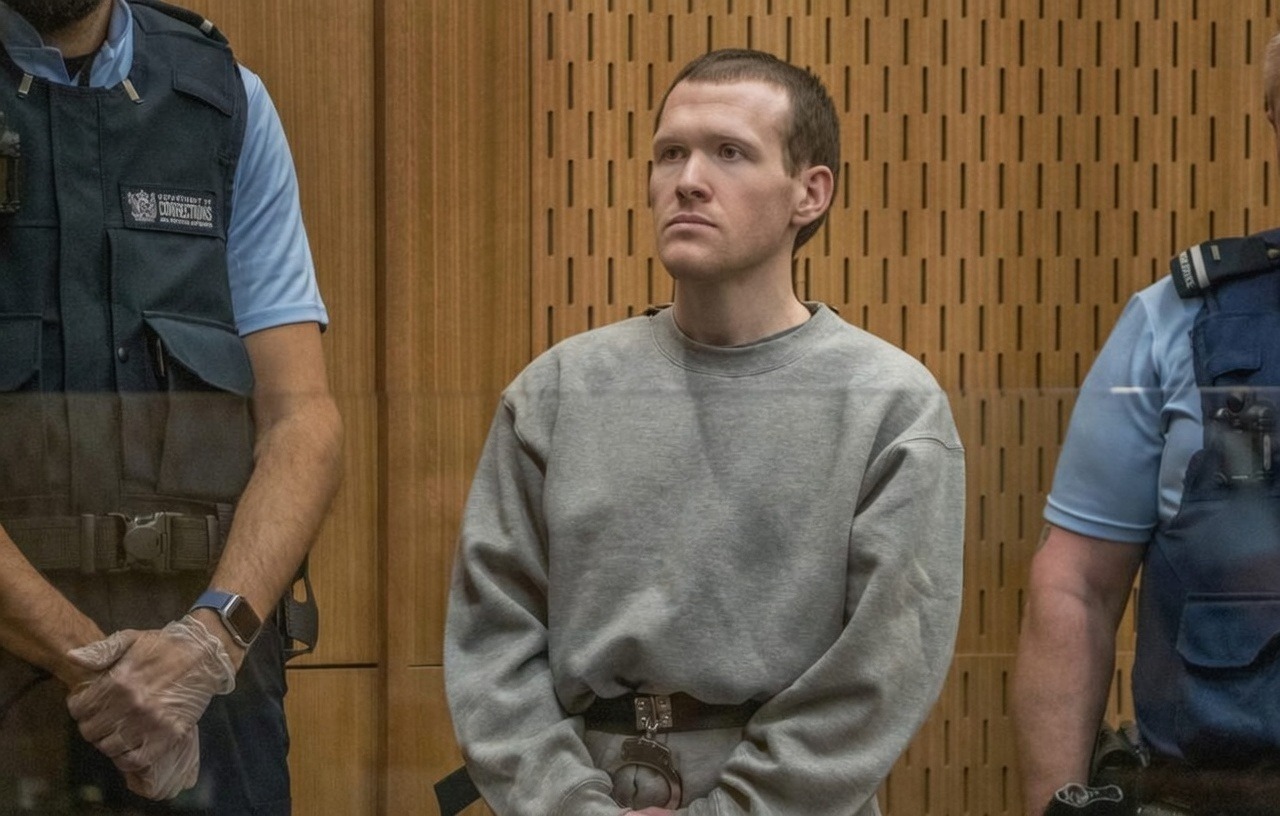
Intense legal proceedings are underway in Wellington, New Zealand, as Brenton Harrison Tarrant, the Australian white supremacist convicted of the 2019 Christchurch mosque shootings, is seeking to have his previous guilty pleas set aside and potentially reopen his case. Tarrant appeared via video link from Auckland Prison before a panel of three judges at the New Zealand Court of Appeal on 9 February 2026, initiating a hearing expected to last five days.
Tarrant, now 35, was responsible for the deadliest mass shooting in New Zealand’s history on 15 March 2019, when he killed 51 Muslim worshippers and injured dozens at the Al Noor Mosque and the Linwood Islamic Centre in Christchurch. He initially faced trial on 51 counts of murder, 40 counts of attempted murder, and one count of terrorism but ultimately pleaded guilty in March 2020. That guilty plea led to New Zealand’s first sentence of life imprisonment without the possibility of parole.
In the current appeal hearing, Tarrant claims that harsh prison conditions, including prolonged solitary confinement, limited access to reading material, restricted contact with other prisoners, and overall treatment within the Prisoners of Extreme Risk Unit, seriously deteriorated his mental state and rendered him incapable of making rational decisions at the time he entered his guilty pleas. He described suffering from what he termed “nervous exhaustion” and said that this mental strain left him with little choice but to admit guilt just months before his scheduled trial.
Tarrant told the court that the conditions of his imprisonment left him uncertain about his identity and beliefs, undermining his ability to engage with the legal process freely. He said the decision to plead guilty was not voluntary but influenced by his psychological state, which he attributed to the environment and restrictions he endured while incarcerated.
Crown lawyers, including prosecutor Barnaby Hawes, have challenged Tarrant’s account, asserting there is scant evidence of serious mental illness in records from health professionals or prison staff at the time of his pleas. They noted that Tarrant had access to legal advice throughout the process and could have sought a delay in his trial on mental health grounds or chosen to contest the charges at trial instead.
The legal battle also includes procedural questions. Under New Zealand law, applications to appeal convictions or sentences typically must be lodged within 20 working days of judgment. Tarrant’s appeal was filed in September 2022, roughly two years after his sentencing, which the Crown has highlighted as another challenge to his bid.
The appeal hearing is being conducted with heightened security and restricted access, limiting the number of reporters and victims’ family members who can view Tarrant’s testimony in person or via broadcast. His current lawyers have been granted name suppression due to safety concerns.
If the Court of Appeal concludes that Tarrant’s original pleas were indeed involuntary or made under duress, the case could be sent back to the High Court for a full trial on the original charges, reviving legal proceedings that were thought to have concluded. If the court rejects that application, the judges will then consider separately Tarrant’s bid to appeal his sentence, which challenges the life term without parole.
The developments have reignited painful memories for survivors and the families of the 51 victims. Many have criticised the appeal as retraumatising and an unwelcome reopening of a chapter New Zealanders hoped would remain closed, while legal analysts caution that overturning guilty pleas in such a high‑profile case would be legally unprecedented and face a high evidentiary threshold.


