


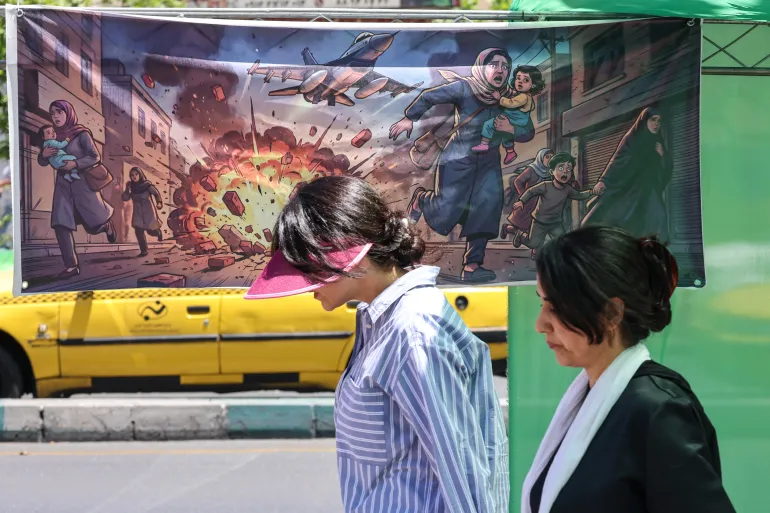
Iran says it is carefully reviewing the latest proposal from the United States aimed at ending the nearly three-month conflict involving the US, Israel and Tehran, as diplomatic efforts intensify to prevent a return to war in the Middle East.
Iranian Foreign Ministry spokesman Esmaeil Baghaei confirmed that Tehran had received Washington’s latest response and was studying its contents. The development comes amid renewed mediation efforts led by Pakistan, which has emerged as a key intermediary between both sides.
Pakistan’s military chief, Asim Munir, is expected in Tehran for high-level talks with Iranian officials, while Pakistani Interior Minister Mohsin Naqvi has already arrived in Iran for discussions on the US proposal.
Pakistan previously hosted rare direct negotiations between American and Iranian officials in April, although those talks collapsed after Tehran accused Washington of making excessive demands.
Meanwhile, US President Donald Trump warned that negotiations were at a critical stage, saying talks were on the “borderline” between achieving a deal and renewed military strikes against Iran.
Trump said the United States remained prepared for military action if negotiations fail, but added that he was still willing to wait for what he described as the “right answers” from Tehran.
Iranian President Masoud Pezeshkian also signaled that Tehran remains open to diplomacy while insisting the country would defend itself if attacked again.
Iran’s Revolutionary Guard warned that any renewed aggression could trigger a wider regional conflict extending beyond the Middle East.
According to Iranian media, Tehran’s latest proposal includes demands for the lifting of sanctions, release of frozen Iranian assets, compensation for war-related damage, withdrawal of US forces from the region and recognition of Iran’s role in securing the Strait of Hormuz one of the world’s most important oil shipping routes.
The Strait of Hormuz has become central to the negotiations because disruptions there could severely impact global energy supplies and increase oil prices worldwide.
Analysts say Iran has shifted the focus of negotiations away from its nuclear programme toward regional security and control of strategic waterways, placing pressure on Washington to compromise.
Tensions remain high despite the ceasefire reached six weeks ago. The United States has maintained a naval blockade near Iranian waters since April, and US forces continue to inspect vessels suspected of heading toward Iranian ports.
Observers say while both sides appear interested in avoiding another major war, deep disagreements remain over sanctions, regional influence and military activity, leaving the future of the fragile peace process uncertain.


