


Despite growing international calls for de-escalation, political tensions in Israel continue to rise over the possibility of renewed military action against Iran, even as the United States appears reluctant to support another major conflict in the region.
The debate intensified following reports that sections of Israel’s political and media establishment are pushing for a tougher response against Tehran after a fragile ceasefire brokered by Washington. Analysts say the situation has exposed growing differences between Israeli Prime Minister Benjamin Netanyahu and US President Donald Trump over how to handle Iran.
Controversy erupted after Shimon Riklin, a presenter on Israel’s right-wing Channel 14, appeared to reveal sensitive information regarding possible future Israeli strikes on Iranian nuclear facilities. Although Riklin later insisted his comments were hypothetical, the incident sparked criticism within Israel and renewed speculation about military planning behind closed doors.
Israeli media reports indicate that Netanyahu recently convened high-level security meetings to discuss options for restarting operations against Iran. However, experts believe Israel may struggle to move forward without direct American approval and military backing.
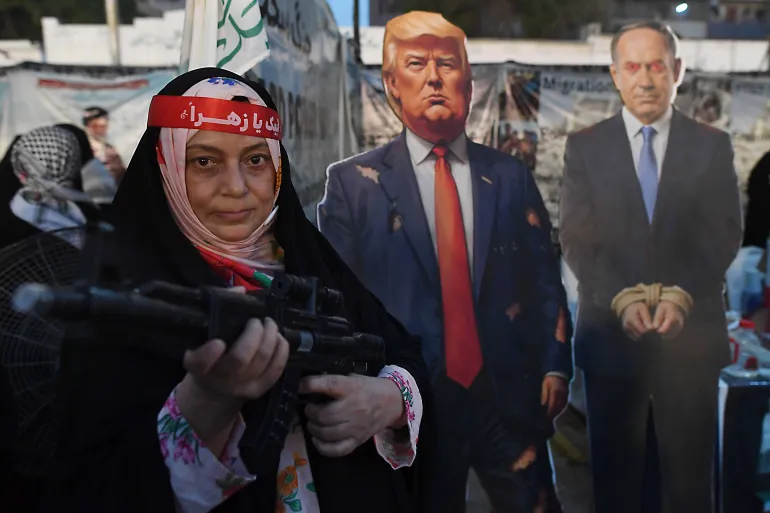
 Netanyahu, right, and Trump have denied that the Israeli leader manipulated the US into attacking Iran, leading to the closure of the Strait of Hormuz and the strikes upon the US allies in the Gulf region.
The United States, which had earlier threatened renewed bombing campaigns against Iran, is now reportedly focused on preserving a ceasefire and avoiding a prolonged regional war.
Iran’s retaliatory actions, including threats to shipping routes in the Strait of Hormuz and missile strikes targeting regional interests, are believed to have reduced Washington’s appetite for another large-scale confrontation.
The Strait of Hormuz remains one of the world’s most critical oil transit routes, and any disruption there could trigger serious global economic consequences, including rising fuel prices and instability in energy markets.
Within Israel, the ceasefire has become a major political issue. Opposition leaders including Yair Lapid and former Prime Minister Naftali Bennett have criticised Netanyahu’s handling of the conflict, arguing that Israel failed to achieve decisive strategic gains against Iran.
Recent public opinion polls suggest many Israelis believe the war ended too soon and expect hostilities to resume in the future. Political analysts say decades of tensions between Israel and Iran have shaped public attitudes, with many Israelis viewing Tehran as the country’s greatest long-term security threat.
Scholars and former diplomats argue that Netanyahu may also be motivated by domestic political calculations. Since the Hamas-led October 7 attacks exposed major security failures inside Israel, the prime minister has faced mounting criticism from opponents and sections of the public.
Analysts believe a military victory against Iran could help Netanyahu strengthen his political standing ahead of future elections. However, critics warn that another war could further destabilise the Middle East and deepen tensions between Israel and its allies.
Former Israeli diplomat Alon Pinkas said Netanyahu is seeking a major strategic achievement that could overshadow criticism over past security failures. Others argue that Israel’s leadership underestimated the broader consequences of confronting Iran, particularly the economic fallout linked to disruptions in global oil supplies.
Although hardline voices within Israel continue to call for renewed attacks, observers say the country’s military options remain closely tied to Washington’s approval. Former adviser Daniel Levy noted that despite strong political rhetoric in Israel, the conflict is unlikely to escalate further unless the United States decides to fully support military action.
For now, the fragile ceasefire remains in place, but tensions between Israel and Iran continue to simmer, raising fears that the region could once again edge toward a wider conflict.


