


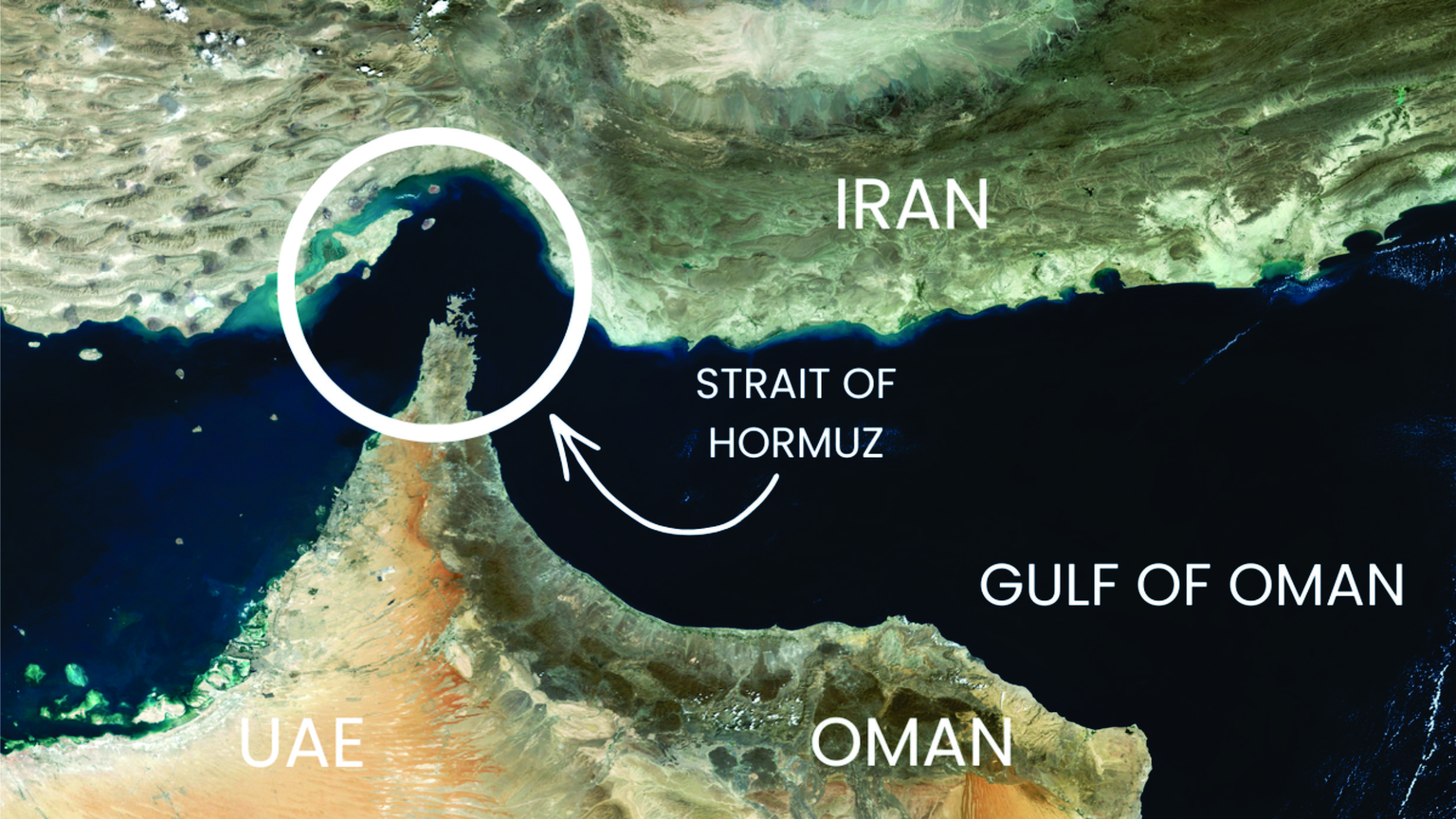
NATO allies are intensifying diplomatic pressure for guaranteed freedom of navigation through the Strait of Hormuz, as escalating tensions between the United States and Iran continue to threaten one of the world’s most critical maritime trade corridors.
In statements emerging from Brussels on April 10, 2026, senior officials from the North Atlantic Treaty Organization (NATO) said member states are increasingly concerned about disruptions to commercial shipping passing through the narrow waterway linking the Persian Gulf to the Gulf of Oman. The strait carries a significant share of global oil and liquefied natural gas shipments, making it a strategic chokepoint for global energy security.
Diplomatic sources indicate that NATO Secretary-General Jens Stoltenberg has been coordinating emergency consultations with allied foreign ministers, including U.S. Secretary of State Antony Blinken, United Kingdom Foreign Secretary David Lammy, and French Foreign Minister Catherine Colonna, to establish a unified position demanding uninterrupted civilian and commercial passage through the route.
The push comes amid rising uncertainty following the fragile ceasefire between Washington and Tehran, which has failed to resolve disagreements over maritime control and enforcement mechanisms. Iranian naval forces, operating from key bases in Bandar Abbas and Qeshm Island, have maintained enhanced patrols and inspection activities in the Strait of Hormuz, actions Western officials say have contributed to delays affecting hundreds of commercial vessels.
In Washington, President Donald Trump has reiterated that unrestricted shipping access is a core requirement of any ceasefire framework, warning that continued restrictions could prompt renewed military action. U.S. naval assets under the command of the U.S. Fifth Fleet, headquartered in Manama, Bahrain, remain deployed in a heightened state of readiness across the Gulf.
European NATO members, particularly Germany, France, and the United Kingdom, have expressed growing alarm over the economic implications of prolonged instability. Officials in Berlin and Paris have warned that even limited disruptions in energy shipments could deepen inflationary pressures already affecting European economies, while London has raised concerns over maritime insurance costs and supply chain delays impacting major ports such as Rotterdam and Felixstowe.
Iranian officials, however, have rejected what they describe as “external interference” in Gulf security arrangements. Speaking in Tehran, Foreign Minister Abbas Araghchi stated that Iran will not accept any arrangement that limits its sovereign authority over maritime operations in its territorial waters and adjacent zones. Iranian state media have also framed NATO’s position as an attempt to “militarize commercial shipping routes under Western control.”
The dispute has further complicated already fragile negotiations linked to the U.S.–Iran ceasefire talks scheduled in Islamabad. Analysts warn that the introduction of NATO’s demands into the diplomatic equation could widen the gap between the two sides, particularly as Tehran views collective Western coordination as a strategic escalation.
Meanwhile, shipping companies operating out of Dubai’s Jebel Ali Port, Saudi Arabia’s Ras Tanura terminal, and Qatar’s Hamad Port have reported ongoing uncertainty, with some rerouting vessels around the southern tip of the Arabian Peninsula via the Cape of Good Hope to avoid potential delays in the Gulf.
Security analysts in Brussels, Washington, and Ankara caution that the situation carries significant escalation risks. Any incident involving naval forces in the Strait of Hormuz—whether accidental or deliberate—could quickly draw in multiple regional and international actors, given the presence of U.S., European, and Iranian forces operating in close proximity.
As NATO allies continue to coordinate their response, the demand for guaranteed shipping access underscores a broader concern: that the stability of global trade routes is now increasingly tied to the outcome of a volatile geopolitical standoff between Washington and Tehran.


