


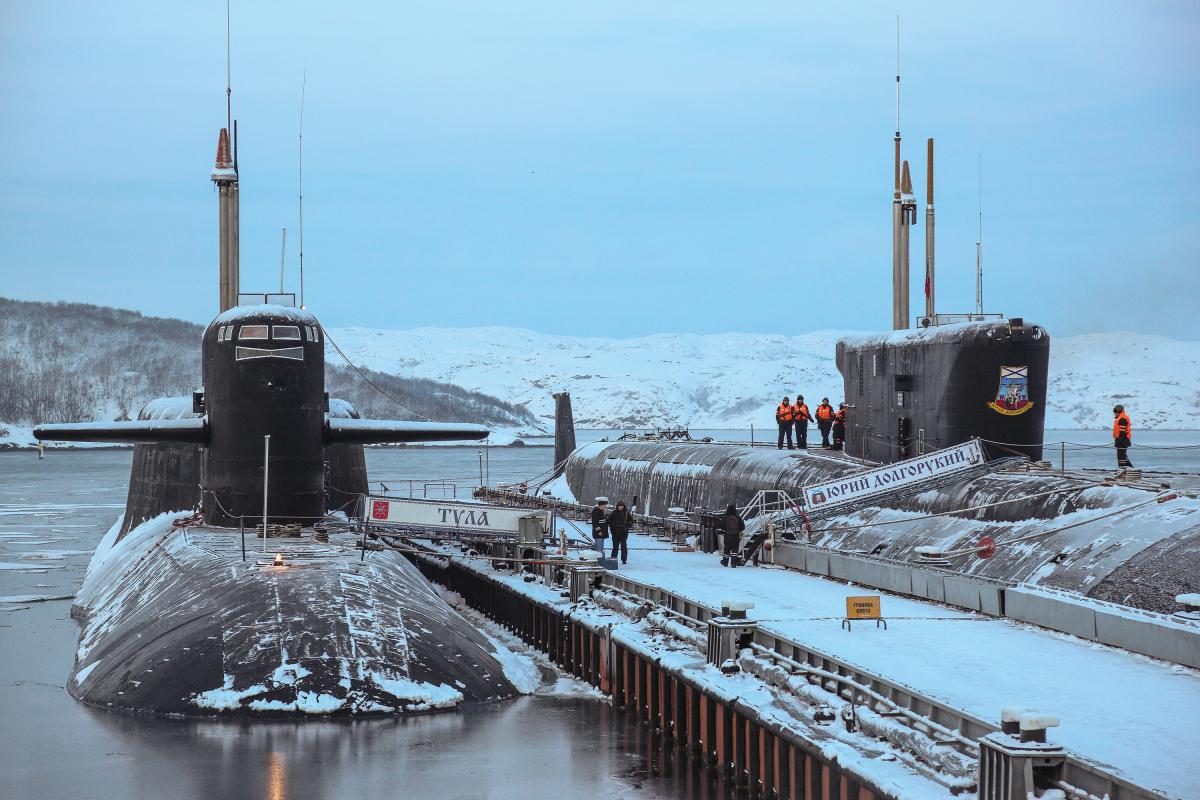
Reports emerging from security and intelligence monitoring agencies indicate a growing concern over alleged Russian naval activity in strategic maritime zones, with particular focus on undersea infrastructure in the North Atlantic and parts of the wider global seabed communications network, raising fears of a broader hybrid warfare escalation.
On April 10, 2026, defense officials in Brussels and London confirmed that NATO maritime surveillance units have detected unusual movements by Russian Navy vessels, including submarines and specialized intelligence ships operating near critical undersea cable routes. These routes carry vast amounts of global internet traffic, financial transactions, and military communications between Europe and North America.
Military analysts say the activity is consistent with what Western governments have previously described as “gray-zone operations,” a form of hybrid warfare designed to disrupt infrastructure without triggering open armed conflict. While no direct attack has been publicly confirmed, officials say the pattern of maneuvers has raised concern due to proximity to known subsea cable corridors in the North Atlantic, particularly between the United Kingdom, Iceland, and Norway.
In London, British Defence Secretary Grant Shapps convened an emergency briefing with the Royal Navy’s Submarine Service and intelligence officials at the Ministry of Defence, where assessments reportedly focused on potential vulnerabilities in undersea fibre-optic cables that connect Europe to global digital networks. The United Kingdom has previously increased patrols around the GIUK gap (Greenland–Iceland–United Kingdom corridor), a key naval chokepoint historically monitored during Cold War tensions.
NATO Supreme Allied Commander Europe, General Christopher G. Cavoli, has reportedly instructed allied maritime forces to heighten surveillance across the North Atlantic, while coordination continues with U.S. Naval Forces Europe and AFRICOM. The U.S. Navy’s Sixth Fleet, operating out of Naval Support Activity Naples, is also said to be tracking submarine activity patterns in coordination with allied intelligence units.
Russian officials, however, have denied any hostile intent. The Ministry of Defence in Moscow stated that all naval movements are part of routine training exercises in international waters and accused NATO of “manufacturing threats to justify military expansion.” Kremlin spokesperson Dmitry Peskov dismissed the allegations as “unsubstantiated and politically motivated,” reiterating Russia’s position that it is not engaged in sabotage operations against civilian infrastructure.
Despite these denials, European intelligence agencies remain cautious. Reports from security briefings in Berlin and Paris suggest that France’s Directorate General for External Security (DGSE) and Germany’s Federal Intelligence Service (BND) are jointly reviewing data linked to potential disruptions or attempted probing of undersea systems. Officials have not confirmed any physical damage but acknowledge increased risk levels in critical infrastructure protection protocols.
The concerns come at a time of heightened global tension, with NATO already on alert due to instability in the Middle East and ongoing concerns over maritime security in the Strait of Hormuz. Analysts warn that simultaneous pressure on both energy transit routes and digital infrastructure could signal a shift toward more complex, multi-domain hybrid warfare strategies involving both state and non-state actors.
Energy and telecommunications experts note that undersea cables carry more than 95% of intercontinental data traffic, meaning any sustained disruption—whether physical or cyber-related—could have immediate consequences for global finance, military communications, and civilian internet access. Insurance firms and infrastructure operators have reportedly begun reassessing risk premiums for subsea assets in both the Atlantic and Arctic regions.
Security analysts in Washington, London, and Brussels caution that while no definitive attribution has been made, the pattern of naval activity underscores a growing concern within NATO: that future conflicts may increasingly target invisible infrastructure rather than traditional battlefield domains.
As investigations continue, allied governments are expected to expand maritime surveillance operations and strengthen coordination on undersea infrastructure protection. The situation remains under close review, with officials warning that even isolated incidents could significantly escalate geopolitical tensions across multiple theatres of global security.


